Your Go-To Auto Repair Shops in Warren, MI, Sorted
Welcome to our directory of Warren auto repair shops, your go-to spot for finding a mechanic you can count on. Whether you need a quick oil change or help with something bigger, we're here to point you in the right direction.
Map of Businesses in Warren
All Listings in Warren
9 businesses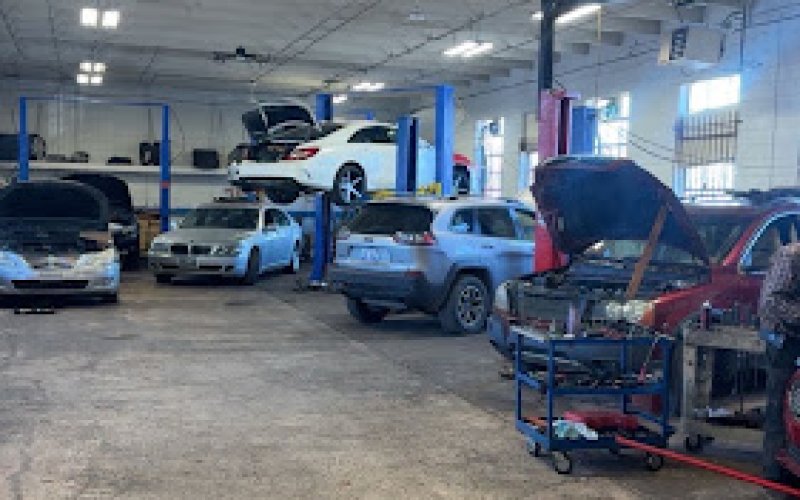
Precision Automotive Repair
Auto repair shop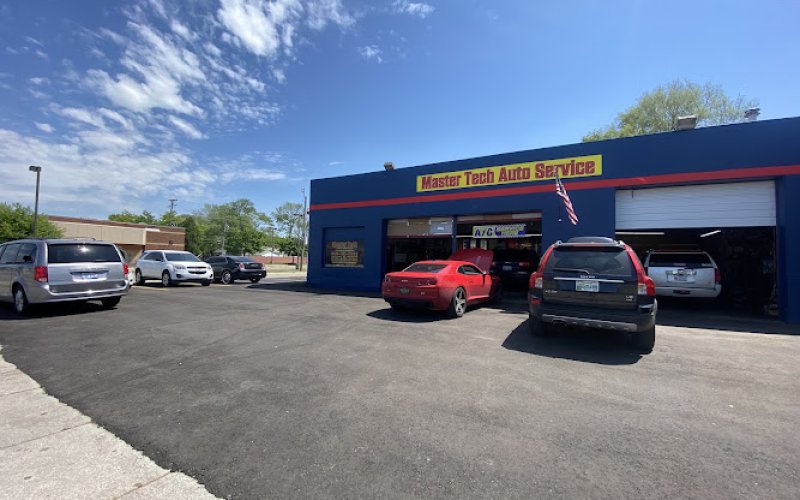
Master Tech Auto Service
Auto repair shop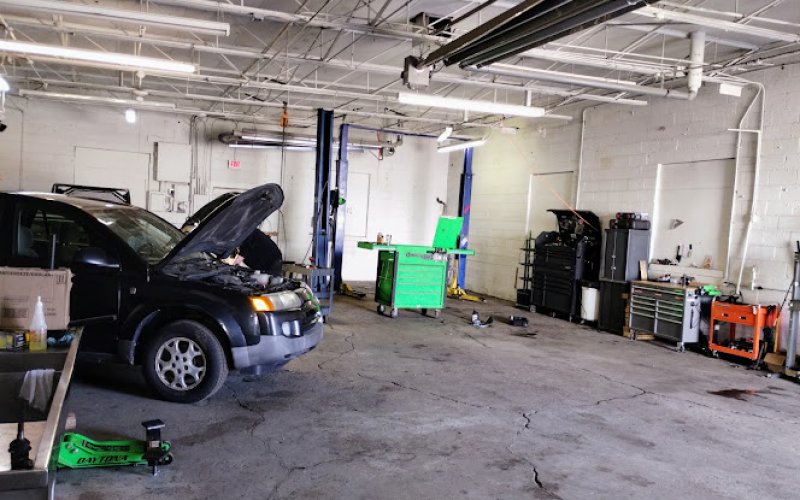
Units Auto Repair
Auto repair shop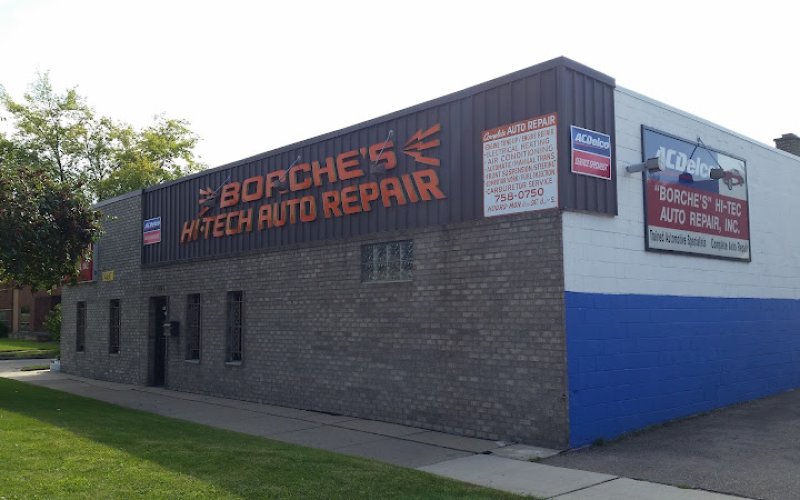
Borche's Hi Tec Auto Repair
Auto repair shop
Expert Auto Services
Auto repair shop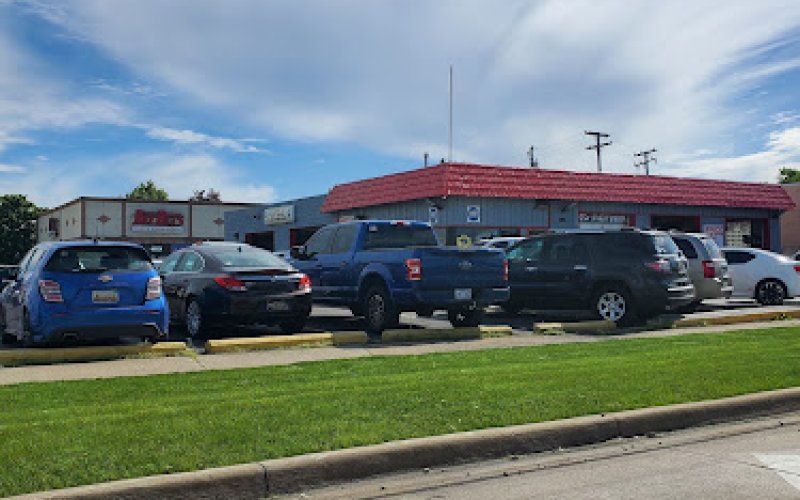
Pride Auto Repair
Auto repair shop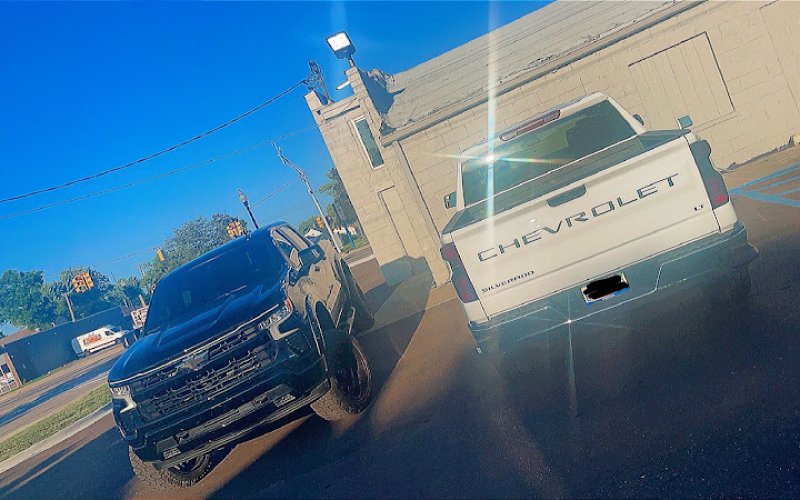
My Uncles Auto Repair Of Warren
Auto repair shop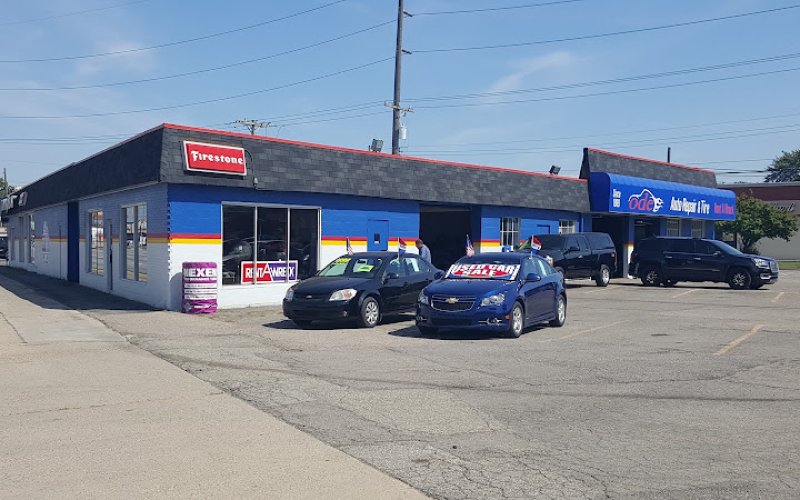
Ode Auto Repair and Tire
Auto repair shop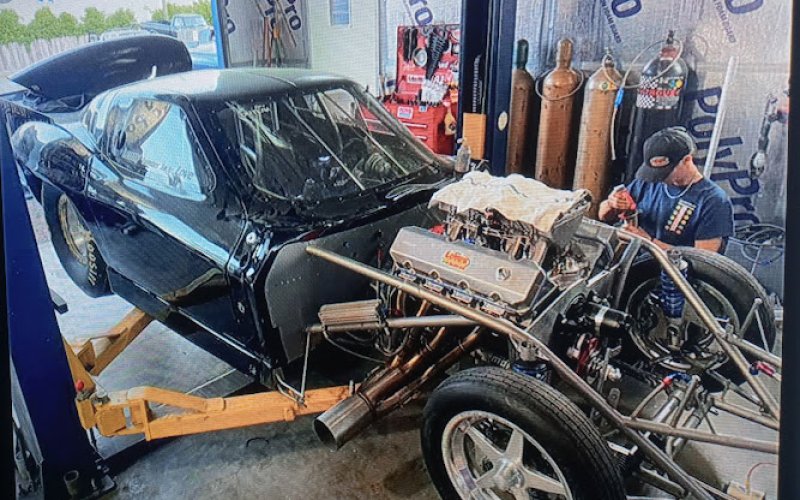
Friendly Auto Service
Auto repair shopAbout autorepair in Warren
Warren sits on a flat, dense street grid where almost every errand means another stoplight, and the mile roads wear out brakes faster than most drivers expect. Add Michigan's freeze-thaw cycle and you have a city that is quietly hard on cars.
The local market covers the usual range. Independent neighborhood shops handle general repair and maintenance. Dealership service departments cover warranty and recall work. Tire and quick-lube chains handle the fast, simple jobs. Then there are specialists for transmissions, brakes, exhaust, diesel and European cars. This directory currently lists 9 Auto Repair Shops in Warren, which gives you a workable shortlist to compare rather than an overwhelming one.
What the city does to your car is predictable. Constant stop-and-go on roads like Van Dyke, Mound and 12 Mile eats brake pads and rotors. Winter road salt attacks brake lines, exhaust systems and rocker panels. Potholes after the thaw knock alignments out and wear tie rods, ball joints and struts. And summer heat finishes off tired batteries and stresses A/C systems.
Who needs a shop here? Commuters running I-696 and I-94 toward Detroit and the suburbs, owners of older daily drivers, work trucks and vans, families with a second car that never gets looked at, and anyone who just bought a used vehicle. Warren is also home to a large General Motors Technical Center campus, and that car-industry culture shows in how many drivers here run domestic trucks, SUVs and sedans.
Warren Woods
- Where and what it is: A residential area in the northern part of the city, close to the Warren Woods name and its quieter, tree-lined streets.
- Driving and vehicles: Short trips on neighborhood streets plus runs out to the mile-road arterials. Expect a mix of family sedans, minivans and pickups, many several years old.
- Typical car-care needs: Short-trip driving is hard on batteries and oil, since the engine rarely reaches full operating temperature. Brakes, tires and wiper blades are the regulars here.
- Good to know: For an older family car, an independent shop is usually the better fit for routine work. Ask whether they follow your owner's manual interval for oil changes instead of a generic sticker.
Downtown Warren
- Where and what it is: The civic center area around Van Dyke and Chicago Road, home to city offices and a mix of older commercial strips.
- Driving and vehicles: Heavy stop-and-go, frequent turns and a lot of parking-lot maneuvering. Fleet vehicles and municipal trucks share the roads with commuter cars.
- Typical car-care needs: Brake wear leads the list, followed by suspension and alignment work from rough pavement. Door and trim dings come with the territory too.
- Good to know: If you run a work truck or van, ask whether a shop offers fleet scheduling and quick turnaround. Downtime costs you more than the repair itself.
Center Line border area
- Where and what it is: The pocket of Warren that wraps around the small independent city of Center Line, along Van Dyke and 10 Mile.
- Driving and vehicles: Dense street grid, side-street parking, and slow, congested arterials. Older vehicles are common on tight residential blocks.
- Typical car-care needs: Rust is the big one. Street-parked cars collect salt spray all winter, so check brake lines, fuel lines and subframes before small corrosion becomes a failed inspection or a leak.
- Good to know: Ask for a rust and undercarriage check at your next oil change. A shop that puts your car on a lift anyway can usually show you what it sees.
East Warren near Eastland
- Where and what it is: The eastern side of the city, toward the Detroit border and the 8 Mile and I-696 corridors.
- Driving and vehicles: Highway on-ramps, frequent merging and a high volume of commuter traffic. Higher-mileage daily drivers dominate.
- Typical car-care needs: Highway miles stack up quickly, which means tires, wheel bearings, belts and cooling system service. Check coolant condition and hoses before summer traffic jams.
- Good to know: On a high-mileage car, ask for a written maintenance plan sorted by urgency, so you can spread bigger jobs out instead of facing everything at once.
Two shops can quote very different totals for the same repair and both be honest. The difference usually comes down to a handful of variables you can learn to read.
💰 What Drives the Price
- Vehicle make, model and age: A common domestic sedan has cheap, plentiful parts. A European luxury car or a heavy-duty truck costs more to repair.
- Labor rate times book time: Shops multiply their hourly rate by the time listed in a flat-rate labor guide for that job on your vehicle.
- Parts type: OEM parts match the original, aftermarket parts vary in quality and price, and remanufactured parts sit in between.
- Diagnostic complexity: A clear failure is quick to confirm. An intermittent electrical fault can take hours of testing.
- Access to the part: A part buried behind other components takes longer to replace than one sitting on top of the engine.
- Shop type and fees: Dealerships, independents and chains structure rates and shop fees differently, so compare apples to apples.
🔧 Common Jobs and What Changes the Cost
- Brake pads and rotors: Front versus rear axle matters, as do ceramic versus semi-metallic pads and whether rotors are replaced or resurfaced.
- Oil change: Synthetic versus conventional, how many quarts your engine holds, and the filter type all shift the total.
- Tires: Size, load and speed rating, TPMS sensors and whether you need an alignment drive the cost.
- Battery: Group size, AGM versus standard (AGM is typical on start-stop cars), and whether the new battery must be registered or programmed to the car.
- A/C service: A simple recharge costs less than finding and fixing a leak. Newer cars use R-1234yf refrigerant, which is pricier than older R-134a.
- Check engine light: The diagnostic fee covers finding the cause. The code itself only points to a system, not necessarily a failed part.
- Timing belt with water pump: On interference engines a snapped belt can wreck the engine, and doing the water pump at the same time saves repeating the labor.
🧾 How Shops Usually Charge
- Hourly labor with book time: Ask which labor guide the shop uses and what the book time is for your job.
- Flat price on routine services: Oil changes, rotations and inspections are often quoted as a set price. Confirm what is included.
- Diagnostic fee: Some shops credit it toward the repair if you approve the work. Ask before you hand over the keys.
- Shop supplies and disposal fees: Small line items for fluids, rags and waste. Watch for them to balloon on the invoice.
📈 Local Demand Patterns
- Heat season: The first stretch of hot, humid weather sends a wave of A/C and battery complaints, and appointment slots fill up.
- Winter and thaw season: Cold starts, dead batteries and pothole damage after the freeze-thaw cycle keep shops busy from January through spring.
- Holiday and road-trip rushes: The days before major holidays and summer vacations bring tire, brake and fluid checks, and longer waits.
How to Get an Accurate Price
- Ask for a written, itemized estimate before any work starts.
- Ask whether the diagnostic fee is credited toward the repair.
- Ask which parts type is quoted: OEM, aftermarket or remanufactured.
- Ask the shop to call you for approval before going over the estimate.
Why Local Shops Have an Edge
- They know what Warren's roads do to cars: Potholes on the mile roads, salt in winter and constant stop-and-go produce recognizable wear patterns, and a local shop sees them every week.
- They know the vehicles people actually drive here: In a car-industry region, a local shop tends to know the common failure points on domestic trucks, SUVs and sedans.
- They're easy to return to: If a noise comes back or a warranty question pops up, you can drive over instead of dealing with a distant service desk.
- Their reputation is checkable: Neighbors, coworkers and local reviews tell you quickly who treats customers fairly.
What This Means for You
Say you are buying a used car that spent its life in Michigan winters. A local shop will put it on a lift and look hard at the brake lines, subframe and exhaust for salt damage, the kind of rust a seller will never mention.
Or take a battery that dies on the first hot week of summer. A shop that knows heat is what finishes a three- to five-year-old battery can test it in the spring, before you are stranded on I-696.
Seasonal Patterns in Warren
- ☀️ Spring and summer: A/C performance, cooling system checks, tire pressure in heat and pre-road-trip inspections. Book a few days ahead once the first hot weekend hits.
- 🍂 Fall: Battery testing, brake inspection, wiper blades, tire condition and all exterior lights before winter. A good time to book because shops are less rushed.
- ❄️ Winter: Cold-start problems, weak batteries, heater faults and tire traction. Expect crowded schedules after the first hard freeze.
- 🌀 Storm season: Heavy summer storms can flood low spots and underpasses. Have a shop check any car that sat in standing water for electrical faults and fluid contamination.
Smart Timing Tips
- ✓ Get a battery test before the hottest and coldest months, when weak batteries fail.
- ✓ Book brake work at the first squeal or grinding, not after it. Pads at about 3 mm (1/8 inch) are due.
- ✓ Schedule routine service midweek, when shops have more openings.
- ✓ Ask about parts lead times before leaving the car, especially for less common vehicles.
Before buying a used car, have a shop inspect it first, and run the VIN through the free recall lookup on NHTSA.gov. An open recall and a hidden rust problem are both far cheaper to learn about before you sign.
Credentials to Verify
- ASE certification: A technician with ASE Master Automobile Technician status has passed 8 tests (A1-A8) and recertifies every 5 years. ASE also recognizes whole shops with its Blue Seal of Excellence.
- State registration: Michigan requires repair facilities to be registered with the state, and you can ask to see it. Michigan's consumer protection office or motor vehicle authority can tell you what applies.
- Written warranty: Typical shop warranties run from 12 months/12,000 miles up to 36/36. Get it in writing and know what it covers.
Questions to Ask
- Do your technicians hold ASE certifications, and in which areas?
- How long have you worked on my make and model?
- What is your warranty on parts and labor?
- How do you handle a repair that comes back?
⚠️ Red Flags
- No written estimate before work begins.
- Pressure to approve major work immediately, with no time to think or get a second opinion.
- Refusing to show you or return the old parts.
- Vague "flush everything" upsells with no reference to your owner's manual interval.
- An advertised price that changes once the car is on the lift, or charges for work you did not authorize.
Where to Check Complaints
- State offices: Michigan's consumer protection office or motor vehicle authority can take complaints about repair facilities.
- BBB: Look at how the shop responded to complaints, not just the rating.
- Google and Yelp: Look for patterns, such as repeated mentions of surprise charges, missed deadlines or problems that came back, rather than a single angry review.
Routine maintenance: A reliable independent or chain handles oil, filters, rotations and fluids. Look for clear interval recommendations matched to your manual.
Brakes and tires: Ask about pad material, rotor policy and tire balancing equipment. Rotation is commonly done every 5,000-7,500 miles.
Check-engine and electrical diagnostics: Look for a shop with a good scan tool beyond a basic OBD-II reader (the port every car sold in the U.S. since 1996 has) and experience with wiring faults.
Transmission or engine work, plus hybrid, EV, European or diesel: Choose a specialist with the right tools and training for your system, since generalists often refer this work out.
→ Do you regularly work on my make and model?
→ Is the diagnostic fee credited toward the repair if I approve it?
→ Can I get a written, itemized estimate before any work begins?
→ Will you call me for approval before going over the estimate?
→ What warranty do you give on parts and labor, and does it cover work done elsewhere in your network?
→ After a Michigan winter, can you check the underside for salt damage and pothole-related suspension wear?
✓ ASE-certified technicians, ideally with a Blue Seal shop.
✓ A clean, organized shop with modern diagnostic equipment.
✓ Clear written estimates and invoices that list parts and labor separately.
✓ A written warranty and a willingness to explain it.
✓ Staff who explain problems in plain language and show you the worn part.
No written estimate, or refusal to put the quote on paper.
Work started without your authorization.
Refusing to return or show replaced parts.
Claiming that using an independent shop for routine service voids your new-car warranty. Under the Magnuson-Moss Warranty Act, it does not by itself.
Check Reviews & Ratings
We recommend verifying businesses through trusted review platforms before making a decision.
Frequently Asked Questions
Popular Categories in Warren
Explore Other Cities
🔧 Auto Repair near Warren
Professional Categories in Warren, MI
Popular Auto Services