Your Go-To Auto Repair Shops in Grand Rapids, MI
Welcome to the Grand Rapids auto repair directory, where finding a shop you can trust doesn't have to be a headache. Browse around, see what's out there, and get your ride back in good shape.
Map of Businesses in Grand Rapids
All Listings in Grand Rapids
12 businesses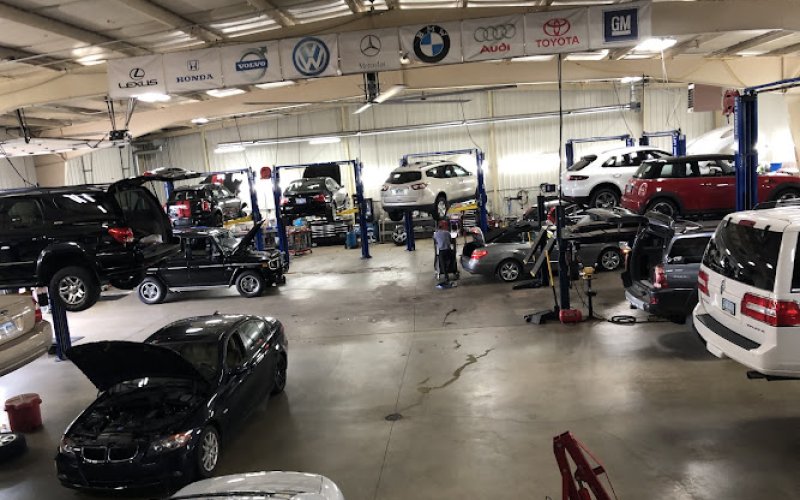
Grand Rapids Motorcar
Auto repair shop
616 Auto Repair | Engine & Transmission Specialists
Engine rebuilding service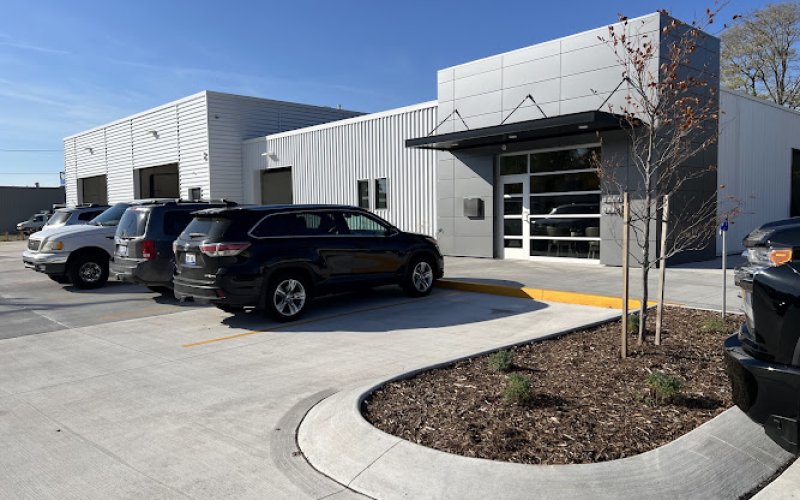
Ervine's Auto Repair
Auto repair shop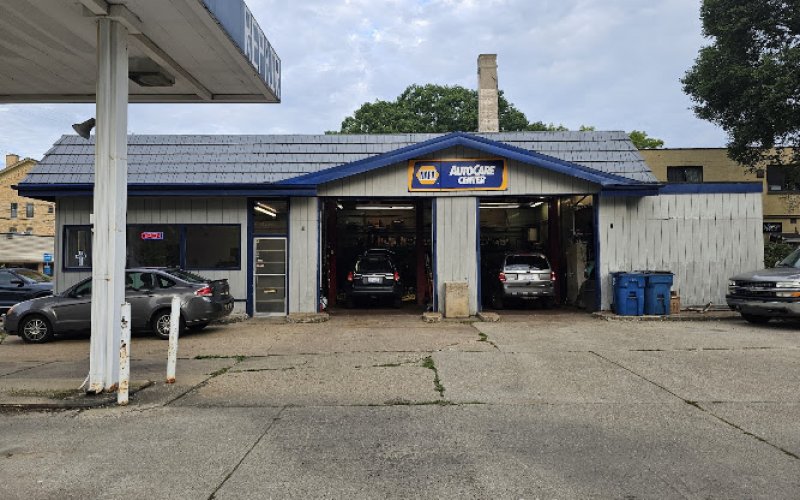
J & H Automotive
Auto repair shop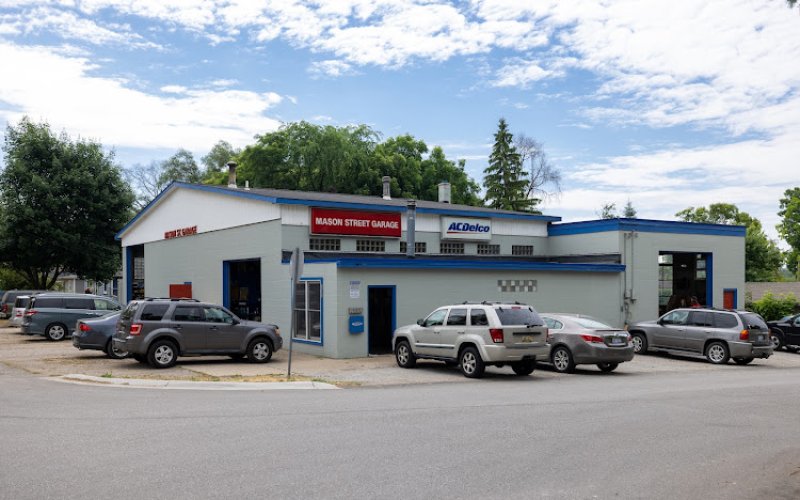
Mason Street Garage
Auto repair shop
Northeast Automotive
Auto repair shop
All Auto Services - Grand Rapids MI Auto Repair Shop
Auto repair shop
Community Automotive Repair
Auto repair shop
Thomsons Auto Repair Inc.
Auto repair shop
Westside Garage LLC
Auto repair shop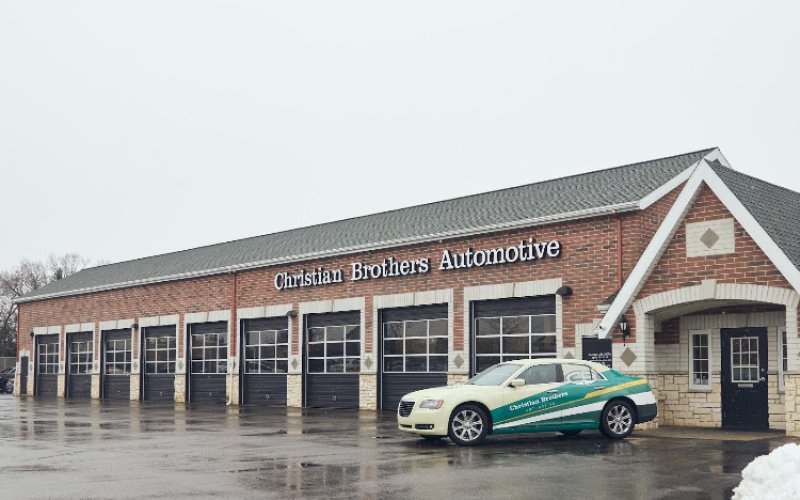
Christian Brothers Automotive Grand Rapids
Auto repair shop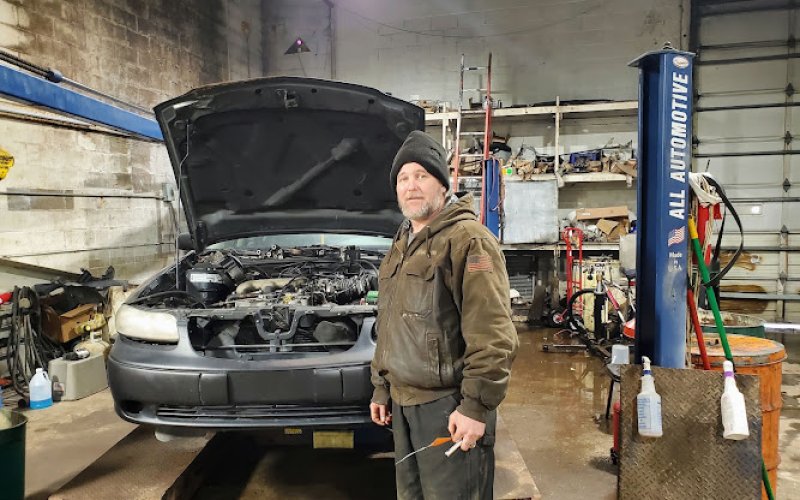
Grand Rapids Repair
Auto repair shopAbout autorepair in Grand Rapids
Winter in West Michigan doesn't just freeze your car — it salts it, then thaws it, then freezes it again. Lake-effect snow, brine on the highways and a long freeze-thaw season mean your suspension, brake lines and underbody take a beating most Sun Belt cars never see.
This directory currently lists 12 Auto Repair Shops in Grand Rapids. They fall into the usual groups: independent neighborhood garages, dealership service departments, tire and quick-lube chains, and specialists for transmissions, brakes, European makes, diesel trucks and hybrid or EV systems. Each group does certain jobs well, and picking the right type matters as much as picking the right name.
Local driving wears specific parts. Stop-and-go traffic on surface streets eats brake pads and rotors. Highway commuting on US-131, I-96 and I-196 piles on steady miles that cook engine oil and wear tires. Potholes after every thaw punish struts, tie rods and wheel alignment. And road salt works on rocker panels, brake lines and exhaust hangers from December through March.
Who needs a shop here? Commuters putting daily miles on aging sedans, families with minivans and crossovers, work trucks hauling gear around the metro, students with budget-priced used cars, and anyone buying a used vehicle that spent its life in salt country. Grand Rapids also sits close to Lake Michigan, so snow squalls and quick temperature swings are part of ownership, and that favors shops that understand rust, batteries and winter tires.
Downtown Grand Rapids
- Where and what it is: The urban core along the Grand River, home to the Medical Mile on Michigan Street, the convention district, restaurants and apartment buildings.
- Driving and vehicles: Short, slow trips with lots of idling at lights, plus tight parking decks and street parking. You see newer commuter cars, hybrids and a growing number of EVs alongside older daily drivers.
- Typical car-care needs: Brake wear from constant stopping, dead or weak batteries from short trips that never fully recharge them, and curb or pothole damage to wheels and alignment.
- Good to know: If you drive a hybrid or EV, ask whether the shop has technicians trained on high-voltage systems before you book anything beyond tires and brakes. Pickup and drop-off options help when you work downtown without a second car.
Eastown
- Where and what it is: A walkable, older neighborhood on the east side with a small-business strip along Wealthy Street and Lake Drive, mixing historic homes and apartments.
- Driving and vehicles: Narrow streets, plenty of curbside parking and short hops to downtown or the highway. Older sedans, hatchbacks and wagons are common, many with a decade or more of salt exposure.
- Typical car-care needs: Rust on brake lines, rocker panels and exhaust parts, worn control-arm bushings from rough streets, and aging batteries and alternators.
- Good to know: On an older car, ask an independent shop to put it on a lift and show you the brake lines and fuel lines before a long winter. Rusty lines are a safety item, not a cosmetic one.
Heritage Hill
- Where and what it is: A historic residential district just east of downtown, known for its large old houses and tree-lined streets, many with limited off-street parking.
- Driving and vehicles: Low-speed neighborhood driving, short trips and cars that sit parked on the street through snow and ice. A mix of older and newer vehicles.
- Typical car-care needs: Batteries that die in cold snaps, wiper and washer problems from months of road grime, and tire damage from curbs and plowed-in parking spots.
- Good to know: If your car lives on the street year-round, get a battery load test in early fall rather than waiting for the first sub-zero morning. Most independent shops can run one in minutes.
Alger Heights
- Where and what it is: A southeast-side residential area of mid-century homes, centered around Eastern Avenue and Alger Street.
- Driving and vehicles: Family-oriented driving: school runs, grocery trips and commutes onto US-131 or M-37 corridors. Minivans, crossovers and compact SUVs dominate.
- Typical car-care needs: Tire rotations and replacements, brake service on heavier family vehicles, and alignment checks after pothole season.
- Good to know: Families with a vehicle still under factory warranty can use a trusted independent shop for routine service. Under the Magnuson-Moss Warranty Act, that alone does not void the warranty, so keep receipts.
Two quotes for the same job can look far apart without either shop being dishonest. The gap usually comes from parts choices, labor assumptions and what the shop includes.
💰 What Drives the Price
- Vehicle make, model and age: European and luxury brands tend to cost more for parts and need specialty tools; common domestic and Japanese models usually have cheaper, more available parts.
- Labor rate times book time: Most shops multiply their hourly rate by the hours listed in a flat-rate labor guide for that exact job.
- Parts type: OEM (original manufacturer), aftermarket and remanufactured parts carry different costs and warranties.
- Diagnostic complexity: A clean OBD-II code can point straight to a bad sensor, while an intermittent electrical fault can take hours of testing.
- Access: A part buried behind the engine or subframe takes more labor than one you can reach from the top.
- Shop type and fees: Dealership service departments, independents and chains each price differently, and some add shop-supply or disposal charges.
🔧 Common Jobs and What Changes the Cost
- Brake pads and rotors: Front versus rear axle, ceramic versus semi-metallic pads, and whether the rotors are replaced or resurfaced.
- Oil change: Synthetic versus conventional oil, how many quarts your engine takes, and the filter type.
- Tires: Size, load and speed rating, TPMS sensors, and whether you add an alignment.
- Battery: Group size, AGM batteries for start-stop cars, and any registration or computer programming the car requires.
- A/C service: A simple recharge versus tracing a leak, and R-134a versus the newer R-1234yf refrigerant found in newer systems.
- Check engine light: The diagnostic fee, plus what the trouble code actually points to; a code names a symptom, not always a bad part.
- Timing belt with water pump: Interference engines can be wrecked if a belt snaps, and replacing the water pump at the same time saves repeating labor.
🧾 How Shops Usually Charge
- Hourly labor with book time: Ask which labor guide the shop uses and what hours it lists for your job.
- Flat-price routine services: Oil changes and tire rotations are often priced as a package; confirm what's included.
- Diagnostic fee: Ask whether it's credited toward the repair if you approve the work.
- Shop supplies and disposal: Small line items for fluids, rags and old-parts disposal; reasonable ones are normal, large vague ones deserve a question.
📈 Local Demand Patterns
- Once summer heat arrives, A/C and cooling-system work picks up, and wait times can stretch.
- The first hard freeze and the first big snow bring a rush of dead batteries, tire swaps and wiper replacements.
- Holiday weekends and summer road-trip season, with trips up US-131 toward northern Michigan or over to the lakeshore, fill shops with pre-trip inspections.
How to Get an Accurate Price
- Get a written, itemized estimate listing parts and labor before any work starts.
- Ask whether the diagnostic fee is credited toward the repair.
- Ask which parts type is quoted: OEM, aftermarket or remanufactured.
- Ask the shop to call you for approval before going over the estimate.
Why Local Shops Have an Edge
- They know what local conditions do to cars: Salted winters, freeze-thaw potholes and lake-effect snow produce predictable failures like rusted brake lines, worn bushings and dead batteries.
- They see the vehicles people actually drive here: A shop in Grand Rapids sees plenty of pickups, minivans and commuter crossovers and learns their common problems.
- They're easy to return to: A shop across town is simple to revisit for a re-check or warranty question.
- Their reputation is checkable: Neighbors, coworkers and local reviews tell you quickly who stands behind their work.
What This Means for You
Say you're eyeing a used SUV that lived through ten Michigan winters. A local shop that does pre-purchase inspections will put it on a lift and check the frame rails, brake lines, rocker panels and subframe for salt damage before you commit. A shop unfamiliar with salt-belt cars might miss it.
The same goes for batteries. A local shop knows that a battery typically lasts about 3-5 years and that cold mornings expose a weak one, so they'll test yours before January rather than after.
Seasonal Patterns in Grand Rapids
- ☀️ Spring and summer: A/C checks, cooling-system service, alignment after pothole season and pre-road-trip inspections. Book early for A/C on the first hot weekend.
- 🍂 Fall: Battery tests, brake inspections, wipers, lights and winter tires before the first snow. Shops fill up quickly once the first storm is in the forecast.
- ❄️ Winter: Cold-start problems, dead batteries, heater issues and tire work. Expect walk-in rushes after sharp temperature drops.
- 🌀 Storm season: Heavy lake-effect snow and spring thunderstorms bring wheel and suspension damage and the occasional water-exposed car. Ask for an inspection if your car sat in standing water.
Smart Timing Tips
- ✓ Get a battery test before the coldest and hottest months, since weak batteries fail on the first extreme day.
- ✓ Book brake work at the first squeal or grinding; most pads are replaced around 3 mm (about 1/8 inch) of pad left.
- ✓ Schedule routine service midweek, when shops tend to be less crowded.
- ✓ Ask about parts lead times before leaving the car, especially for older or European models.
Before buying a used car, have a shop inspect it first, and check open recalls by VIN for free at NHTSA.gov. It takes a few minutes and can save you from inheriting someone else's problem.
Credentials to Verify
- ASE certification: A Master Automobile Technician has passed 8 tests (A1-A8) and recertifies every 5 years. ASE also recognizes shops with its Blue Seal of Excellence.
- State registration: Ask whether the shop holds any registration or license Michigan requires for repair facilities; Michigan's consumer protection office or motor vehicle authority can tell you what applies.
- Written warranty: Typical shop warranties run from 12 months/12,000 miles up to 36/36. Get it in writing, covering both parts and labor.
Questions to Ask
- Who will actually work on my car, and are they certified for this system?
- How do you handle a repair that costs more than the estimate?
- Do you use OEM or aftermarket parts, and can I choose?
- What happens if the problem comes back after the repair?
⚠️ Red Flags
- No written estimate before work begins.
- Pressure to approve major work immediately.
- Refusing to show or return the old parts.
- Vague "flush everything" upsells with no reason tied to your car.
- An advertised price that changes once the car is on the lift, or charges for work you didn't authorize.
Where to Check Complaints
- State offices: Michigan's consumer protection office or motor vehicle authority can tell you how to file or look up a complaint.
- BBB: Look at how the shop responded to complaints, not just the rating.
- Google and Yelp: Watch for patterns — repeated mentions of surprise charges or the same problem returning matter more than one angry review.
Routine maintenance: A reliable independent or chain handles oil changes, filters and rotations; look for clear pricing and a record of your service.
Brakes and tires: Choose a shop with a tire balancer, alignment rack and the ability to measure rotor thickness and pad wear.
Check-engine and electrical diagnostics: Look for shops with factory-level scan tools and technicians who test components rather than swap parts.
Specialists: Transmission, European, diesel and hybrid or EV systems each need specific tools and training; ask directly about your vehicle.
→ Do you work on my make and model regularly?
→ Is the diagnostic fee credited toward the repair if I approve it?
→ Can I get a written, itemized estimate before any work starts?
→ Will you call me before going over the estimate?
→ What warranty do you give on parts and labor?
→ Can I see or keep the old parts, and can you check my underbody for salt damage?
✓ ASE-certified technicians posted where you can see them.
✓ A clean, organized shop with modern diagnostic equipment.
✓ Clear communication, including plain-language explanations of what failed and why.
✓ A written warranty on parts and labor.
✓ Reviews that mention honesty and follow-up, not just speed.
No written estimate or itemized invoice.
Refusal to explain the repair or show the failed part.
Work done without your approval.
No warranty on parts or labor.
Check Reviews & Ratings
We recommend verifying businesses through trusted review platforms before making a decision.
Frequently Asked Questions
Popular Categories in Grand Rapids
Explore Other Cities
🔧 Auto Repair near Grand Rapids
Professional Categories in Grand Rapids, MI
Popular Auto Services