Trusted Auto Repair Shops Serving Ann Arbor, MI
Welcome to our Ann Arbor auto repair directory, where finding a shop you can trust shouldn't feel like a gamble. Browse around, see what's out there, and get your car back on the road with a little less stress.
Map of Businesses in Ann Arbor
All Listings in Ann Arbor
12 businesses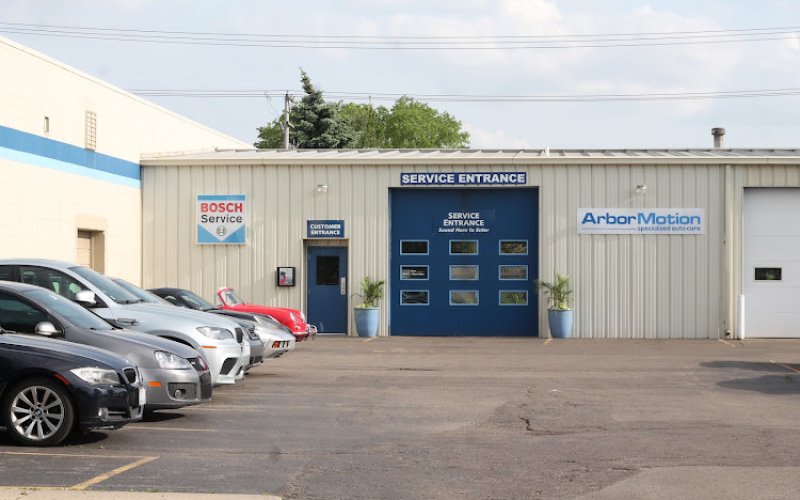
ArborMotion
Auto repair shop
Lakewood Auto Service
Auto repair shop
GTM AUTO REPAIR
Auto repair shop
Hoover Street Auto Repair
Auto repair shop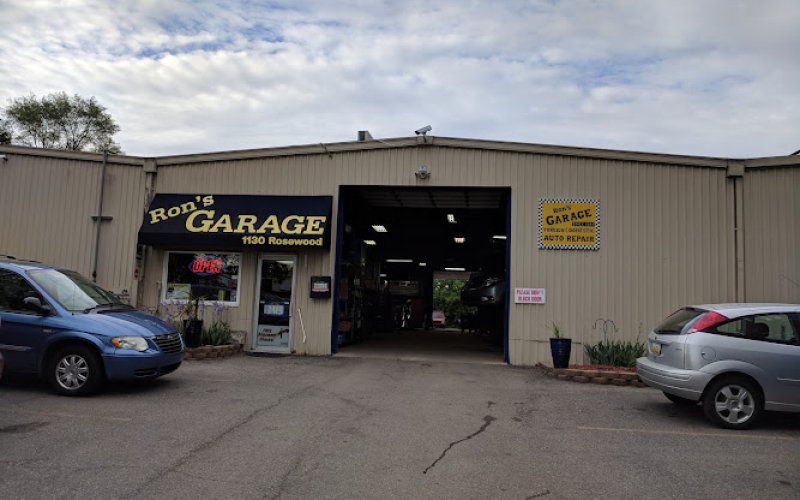
Ron's Garage
Auto repair shop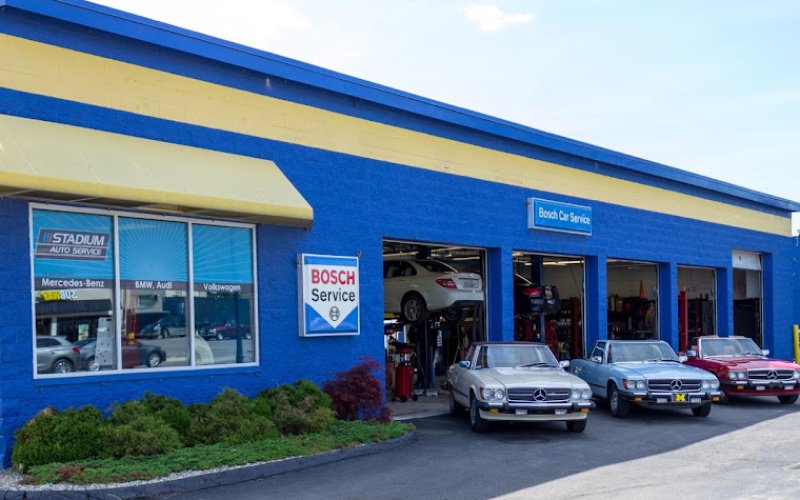
Stadium Auto Service
Auto repair shop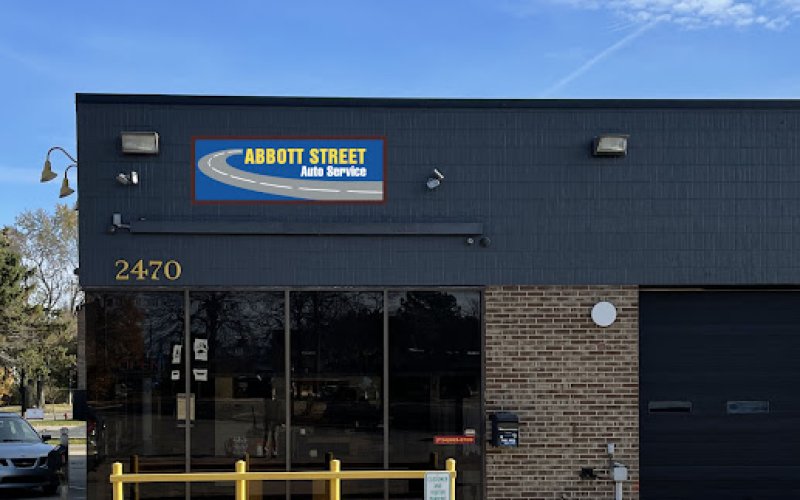
Abbott Street Auto Service
Auto repair shop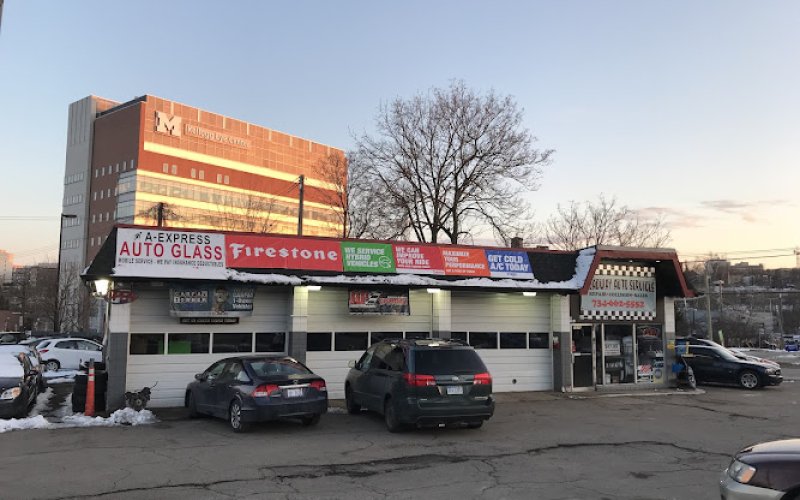
Broadway Auto Care & Sales
Auto repair shop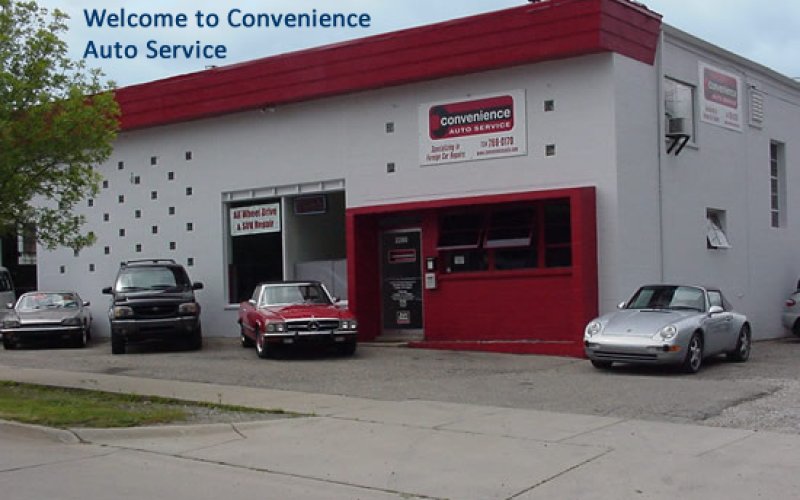
Convenience Auto Service
Auto repair shop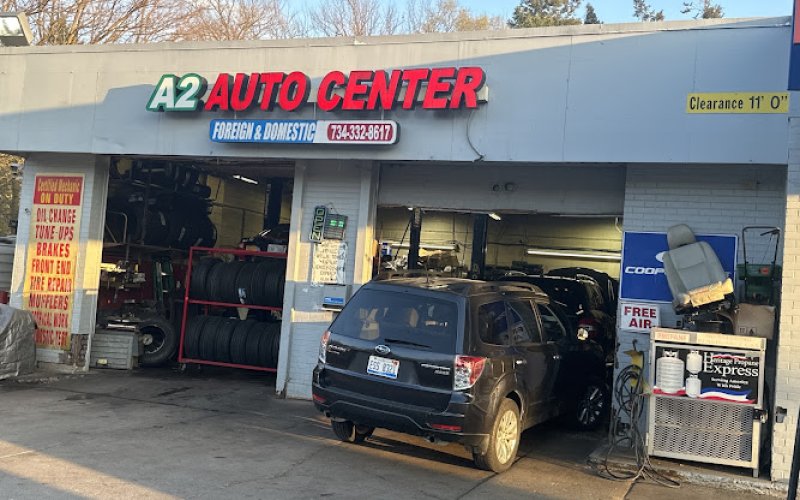
A2 Auto Center
Auto repair shop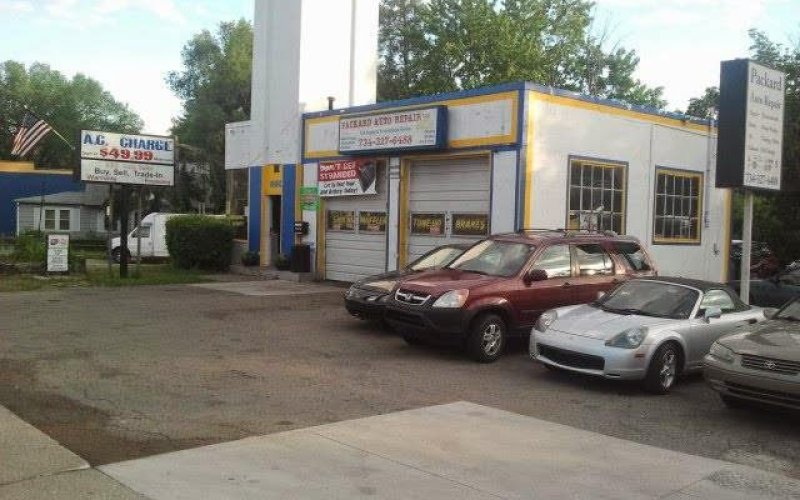
Packard Auto Repair & Service Center
Auto repair shop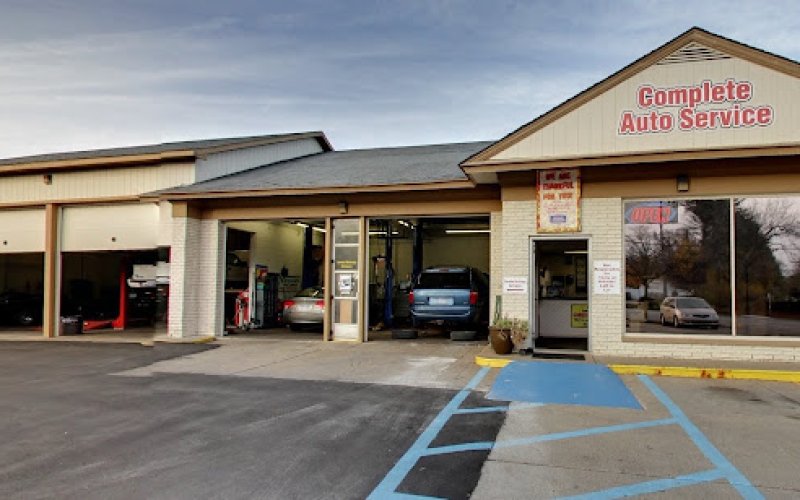
Complete Auto Service of Ann Arbor
Auto repair shopAbout autorepair in Ann Arbor
Ann Arbor's freeze-thaw winters and heavy road-salt use punish a car from underneath, while its short, stop-and-go downtown hops punish it from the brake pedal. Most owners deal with both in the same year.
This directory currently lists 12 Auto Repair Shops in Ann Arbor, and they fall into the usual groups. Independent general shops handle routine maintenance and most repairs. Manufacturer service departments handle warranty work, recalls and brand-specific software. Tire and quick-lube chains cover the fast jobs. And specialists focus on one area: transmissions, brakes, European makes, diesel, or hybrid and EV systems.
Local driving wears specific parts. Stop-and-go traffic around the university and downtown eats brake pads and rotors. Michigan's potholes, which multiply every late winter, hit tires, wheel bearings, ball joints, struts and alignment. Road salt attacks brake lines, fuel lines, exhaust and subframes. Summer heat is hard on batteries and A/C. Ann Arbor also has real hills near the Huron River, and those add load to brakes and transmissions.
Who needs a shop here? Commuters who split time between city streets and US-23, I-94 or M-14. Students and families running older cars on a tight budget. Owners of pickups and work vans that haul tools and trailers. And anyone buying a used car, since a salt-belt vehicle can hide serious underbody rust behind a clean paint job.
One thing sets the area apart: a large university and hospital community means lots of people sharing roads, plus a good number of hybrids and EVs. That makes it worth asking any shop up front whether it actually services high-voltage systems.
Downtown Ann Arbor
- Where and what it is: The compact core around Main Street and State Street, packed with restaurants, shops, offices and parking structures.
- Driving and vehicles: Short trips, constant stopping, tight parking and a lot of idling. You see plenty of compact cars, hybrids and older student vehicles alongside commuter sedans.
- Typical car-care needs: Brake pads and rotors wear fast with this much braking. Short trips also keep the engine from fully warming up, which is hard on oil and on the battery. Tight parallel parking means scraped wheels and sidewall damage.
- Good to know: Downtown shops often have limited lot space, so ask about drop-off, loaner or shuttle options before you book a job that may take more than a day.
Kerrytown
- Where and what it is: A historic district just north of downtown, known for its market and older buildings.
- Driving and vehicles: Narrow streets, frequent pedestrians and a mix of older daily drivers and well-kept classics. Many cars here live on neighborhood streets rather than highways.
- Typical car-care needs: Low-speed driving brings brake wear and sticking calipers from sitting. Older vehicles mean rubber hoses, belts and bushings that age out before the mileage does. Rust inspection is worth doing every fall.
- Good to know: For an older car, ask whether the shop will use quality aftermarket or remanufactured parts when original parts are scarce, and get the warranty on those parts in writing.
Burns Park
- Where and what it is: A well-established residential neighborhood southeast of campus, with mature trees and older homes.
- Driving and vehicles: Family cars, minivans and crossovers making school runs and short errands. Streets are quiet but pocked with winter damage.
- Typical car-care needs: Tires and alignment after pothole season, plus routine brakes and fluid changes. Family vehicles also need regular checks on child-seat-adjacent items like rear A/C and sliding-door tracks.
- Good to know: If your vehicle is still under warranty, an independent shop can do routine service without voiding it under the Magnuson-Moss Warranty Act. Keep your receipts.
Lower Town
- Where and what it is: A small district near the Huron River, north of downtown, close to Broadway and the riverfront parks.
- Driving and vehicles: Short trips down to the river, hills on the way back up, and a mix of commuter and recreational vehicles, including cars hauling bikes and kayaks.
- Typical car-care needs: Hill climbing and descending stress brakes and cooling systems, and moisture near the river encourages underbody rust. Roof racks and hitches also add wear to suspension and tires.
- Good to know: Ask the shop to put the car on a lift and show you the underbody. Brake lines and rocker panels are where Michigan rust hides first.
Two shops can quote very different totals for the same job and both be honest. The difference usually comes down to a handful of factors you can ask about.
💰 What Drives the Price
- Vehicle make, model and age: Luxury and European cars typically cost more to repair than common domestic or Japanese models, and parts for older or rare vehicles can be harder to source.
- Labor rate times book time: Shops multiply their hourly rate by the time listed in a flat-rate labor guide for that job on your specific car.
- Parts type: OEM parts come from the manufacturer, aftermarket parts come from third parties in budget, mid-range and premium grades, and remanufactured parts are rebuilt to spec.
- Diagnostic complexity: A clear failure is quick to confirm. An intermittent electrical issue can take hours of testing.
- Accessibility: Some parts sit right on top of the engine. Others require removing half the front end to reach.
- Shop type and fees: Manufacturer service departments, independents and chains each run different overhead, and many add shop supplies or disposal fees.
🔧 Common Jobs and What Changes the Cost
- Brake pads and rotors: Front versus rear axle, ceramic versus semi-metallic pads, and whether the rotors are replaced or resurfaced.
- Oil change: Synthetic versus conventional oil, how many quarts your engine holds, and the filter type.
- Tires: Size, load and speed rating, TPMS sensor service, and whether you add an alignment.
- Battery: Group size, AGM batteries for start-stop vehicles, and whether the new battery must be registered or programmed to the car.
- A/C service: A simple recharge is cheaper than finding and fixing a leak, and newer systems using R-1234yf refrigerant cost more to service than older R-134a systems.
- Check engine light: The diagnostic fee covers testing, but the code only points to a system. The real repair depends on what the testing finds.
- Timing belt with water pump: Interference engines can suffer major damage if the belt fails, and replacing the water pump at the same time saves repeating the labor.
🧾 How Shops Usually Charge
- Hourly labor with book time: Ask which labor guide they use, and whether you are charged book time or actual time.
- Flat price on routine services: Oil changes, rotations and inspections are often a set price. Confirm what is and isn't included.
- Diagnostic fee: Some shops credit it toward the repair if you approve the work. Others keep it separate. Ask first.
- Shop supplies and disposal: Small line items for fluids, rags and old-part disposal can add up, so look for them on the estimate.
📈 Local Demand Patterns
- Warmer months bring A/C complaints, overheating and battery failures, and shops fill their schedules quickly.
- Winter and the weeks after pothole season bring alignment, suspension and tire work, plus no-start calls on the coldest mornings.
- Holiday travel and summer road trips create rushes for brake, tire and fluid checks, so waiting a week or two for an opening is common.
How to Get an Accurate Price
- Ask for a written, itemized estimate before any work begins.
- Ask whether the diagnostic fee is credited toward the repair.
- Ask which parts type is being quoted: OEM, aftermarket or remanufactured.
- Tell the shop to call you for approval before going over the estimate.
Why Local Shops Have an Edge
- They see what Ann Arbor's roads, salt and freeze-thaw cycles do to cars every year, so they know to check brake lines, subframes and suspension bushings before they fail.
- They know which problems are common on the vehicles people actually drive here, including commuter sedans, crossovers, hybrids and aging student cars.
- They're easy to return to for a re-check, a warranty question or a noise that came back after the repair.
- Their reputation is checkable. Neighbors, coworkers and local reviews can tell you how a shop handles problems after the invoice is paid.
What This Means for You
Say you're buying a used car that spent its life in Michigan. A local shop will put it on a lift and look at rocker panels, brake lines and the underside of the floor, exactly where salt damage hides. That inspection can save you from a car that looks great but is quietly rusting away.
Or take a battery that dies in the first hard cold snap. A shop that sees this every winter will test the battery and charging system together, rather than selling you a new battery and sending you off with the real problem still there.
Seasonal Patterns in Ann Arbor
- ☀️ Spring and summer: A/C service, cooling system checks, tire inspections in heat, and pre-road-trip maintenance. Appointments fill up fast once the first hot week arrives.
- 🍂 Fall: Battery testing, brake inspections, wiper blades, tires and lights before winter. Booking in September or October beats the first-snow rush.
- ❄️ Winter: Cold-start problems, weak batteries, heater issues and tire swaps. Snow days can cause sudden backlogs.
- 🌀 Storm season: Spring and summer thunderstorms can bring heavy rain and localized flooding. Check any car exposed to standing water for wet carpets, electrical faults and fluid contamination.
Smart Timing Tips
- ✓ Get a battery test before the hottest and coldest months, since batteries often fail at the first temperature extreme.
- ✓ Book brake work when you first hear squealing or grinding. Waiting can turn a pad replacement into a rotor and caliper job.
- ✓ Schedule routine service midweek, when shops tend to be less swamped than on Mondays and Fridays.
- ✓ Ask about parts lead times before leaving the car, especially for older, European or specialty vehicles.
Before you buy a used car, have an independent shop inspect it. Also run its VIN through the free recall lookup on NHTSA.gov to see if there are open safety recalls that still need to be fixed.
Credentials to Verify
- ASE certification: A technician with ASE Master Automobile Technician status has passed eight tests (A1 through A8) and must recertify every five years. ASE also recognizes shops that meet its standards with the Blue Seal of Excellence.
- State registration or licensing: Michigan requires repair facilities to be registered with the state, and some shops hold additional inspection or emissions-related credentials. Contact Michigan's consumer protection office or motor vehicle authority to confirm what applies.
- Written warranty: Look for a clear warranty on parts and labor, commonly ranging from 12 months/12,000 miles up to 36 months/36,000 miles.
Questions to Ask
- Which technicians will work on my car, and do they hold ASE certifications for this type of repair?
- Do you have experience with my specific make and model?
- What happens if the problem comes back after the repair?
- Do you offer a written estimate and updates if the scope changes?
⚠️ Red Flags
- No written estimate before work begins.
- Pressure to approve major work immediately, with "your car is unsafe to drive" scare tactics and no explanation.
- Refusing to show or return the old parts.
- Vague "flush everything" upsells with no connection to your owner's manual schedule.
- An advertised price that changes once the car is on the lift, or charges for work you did not authorize.
Where to Check Complaints
- State consumer protection: Michigan's consumer protection office or motor vehicle authority can tell you whether a shop has formal complaints or violations.
- BBB: Check the shop's rating and how it responded to complaints.
- Google and Yelp: Look for patterns, such as repeated complaints about surprise charges, missed deadlines or unresolved problems, rather than a single bad review.
Routine maintenance: A reputable independent shop or chain is usually fine for oil changes, filters, rotations and inspections. Look for clear pricing and a written service record.
Brakes and tires: Choose a shop that shows you the measured pad thickness (replacement is typically around 3 mm) and tread depth (2/32 inch is the legal minimum), and that offers alignment on-site.
Check engine and electrical diagnostics: Look for shops with modern scan tools that go beyond the generic OBD-II codes every car sold since 1996 supports, and with technicians trained in electrical troubleshooting.
Transmission, engine and specialty work: For transmissions, hybrids, EVs, European makes or diesels, choose a specialist who works on that system daily and can explain the repair in plain terms.
→ Do you work on my make and model regularly?
→ Is the diagnostic fee credited toward the repair if I approve the work?
→ Can I get a written, itemized estimate before any work begins?
→ Will you call me for approval before going over the estimate?
→ What warranty do you give on parts and labor, and does it cover both?
→ After this winter's salt and potholes, can you check my brake lines, suspension and underbody for rust or damage?
✓ ASE-certified technicians, ideally with Master Technician status.
✓ A clean, organized shop with up-to-date diagnostic equipment.
✓ Clear, itemized estimates that separate parts, labor and fees.
✓ A written warranty on parts and labor.
✓ Willingness to explain the repair and show you the failed part.
Refusing to provide a written estimate or warranty.
Starting work or adding charges without your approval.
Unable or unwilling to show the old parts or explain why a repair is needed.
Pushing a long list of unrelated services that don't match your owner's manual or the problem you came in for.
Check Reviews & Ratings
We recommend verifying businesses through trusted review platforms before making a decision.
Frequently Asked Questions
Popular Categories in Ann Arbor
Explore Other Cities
🔧 Auto Repair near Ann Arbor
Professional Categories in Ann Arbor, MI
Popular Auto Services