Detroit's Go-To Auto Repair Shops for Every Ride
Welcome to the Detroit auto repair directory, where finding a shop you can trust doesn't have to be a headache. Browse around, see what's out there, and get your ride back on the road in the Motor City.
Map of Businesses in Detroit
All Listings in Detroit
13 businesses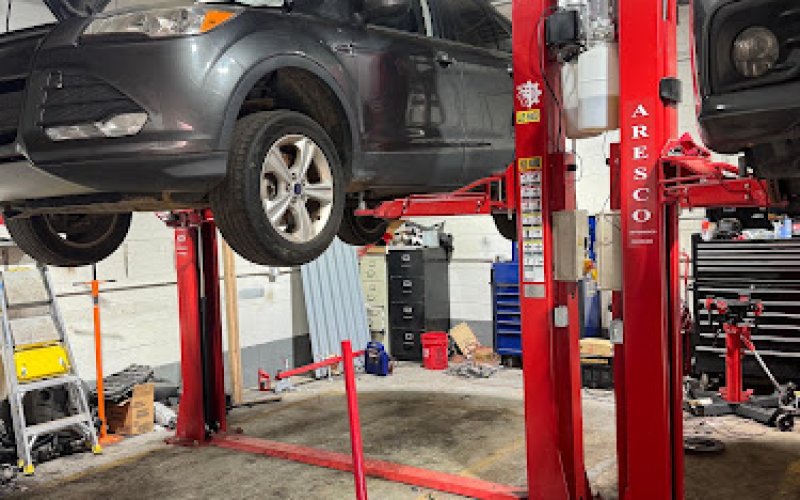
Prime Auto Repair
Auto repair shop
Detroit Auto Repair
Auto repair shop
GLOBAL AUTO REPAIR
Auto repair shop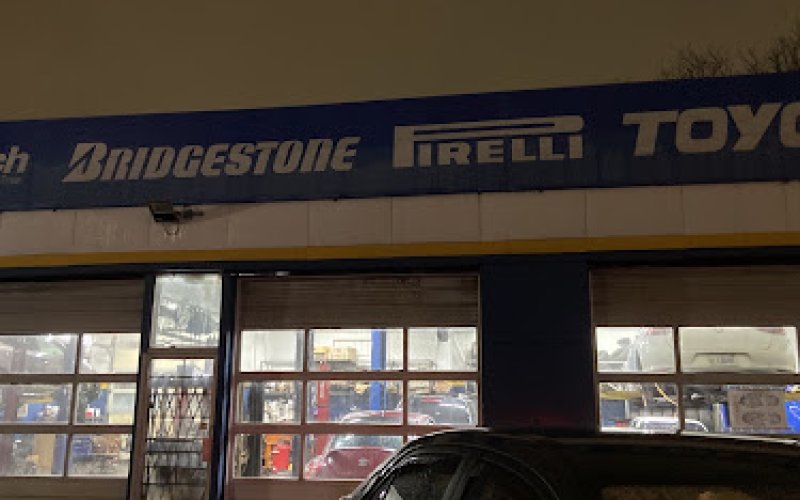
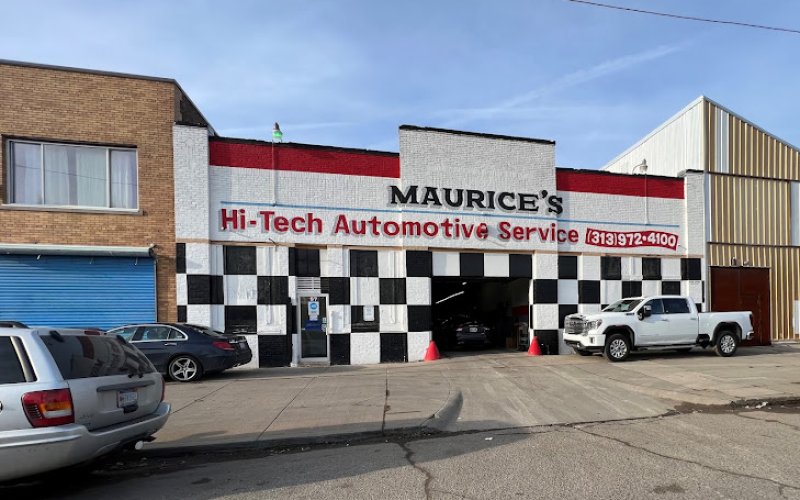
Maurice's Hi-Tech Automotive Services
Auto repair shop
Sam's Auto Repair
Auto repair shop
Campus Auto Repair
Auto repair shop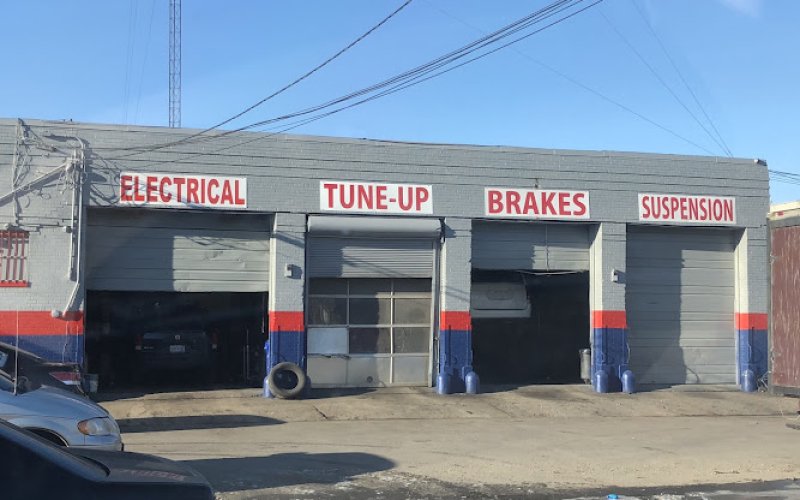
Detroit Auto Center
Auto repair shop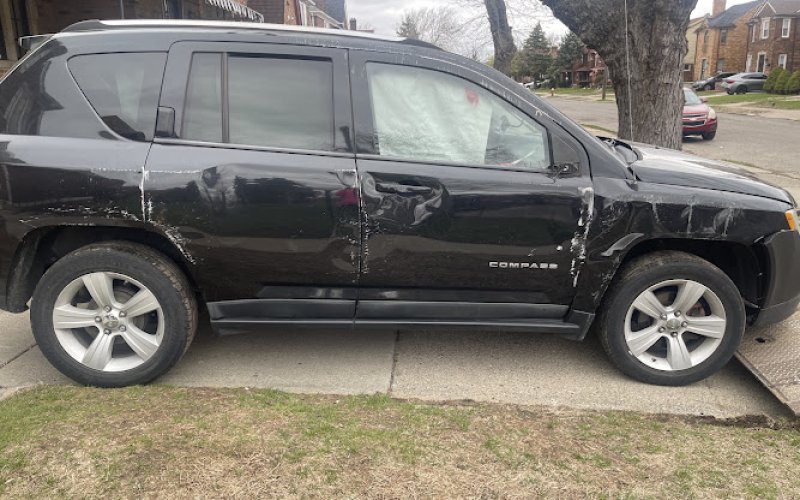
Detroit Complete Auto
Auto repair shop
DT Auto Repair Detroit
Auto repair shop
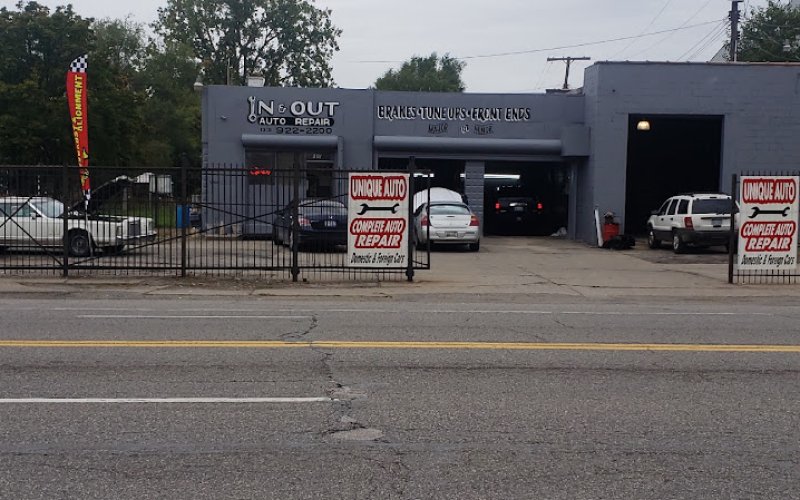
In & out auto repair
Auto repair shop
NorthEnd Auto Repair & Tires Detroit
Auto repair shopAbout autorepair in Detroit
Detroit is the one American city where everyone has an opinion about cars, and the roads still manage to beat them up. Freeze-thaw cycles, salt, and a lot of rough pavement test every suspension and brake line in town.
This directory currently lists 13 Auto Repair Shops in Detroit. The local market is a mix: independent neighborhood garages, dealership service departments, tire and quick-lube chains, and specialists for transmissions, brakes, diesel trucks, European makes, and hybrids. Independents tend to be the first stop for brakes, suspension, and diagnostics. Chains cover fast tires and oil changes.
Driving here wears specific parts. Potholes after winter punish tie rods, ball joints, control arm bushings, struts, and wheel alignment. Road salt attacks brake lines, fuel lines, rocker panels, and exhaust systems. Stop-and-go on surface streets and the Lodge, Ford, and Jeffries freeways eats brake pads. Summer heat then shortens battery life and stresses the A/C and cooling system.
Who needs a shop? Commuters crossing between the city and the suburbs, owners of older daily drivers, people running work trucks and vans, families with a second car that never gets looked at, and anyone buying a used vehicle. And one thing sets Detroit apart: this is the home of the American auto industry, so many drivers here own domestic trucks and sedans and expect a shop to know them cold.
Downtown
- Where and what it is: The central core along the Detroit River, home to the stadiums, office towers, and the riverfront.
- Driving and vehicles: Heavy stop-and-go, tight street parking, and parking-garage scrapes. You see newer commuter cars, hybrids, and a growing number of EVs alongside rideshare vehicles that rack up miles fast.
- Typical car-care needs: Brake pads and rotors from constant braking, curb-damaged wheels and tires, alignment after pothole hits, and 12-volt batteries drained by short trips.
- Good to know: If you drive a hybrid or EV, ask any shop whether they have the training and scan tools for high-voltage systems before you hand over the keys. For routine work on a newer car, an independent can be a fine choice, and under the Magnuson-Moss Warranty Act using one for routine service does not by itself void a new-car warranty.
Corktown
- Where and what it is: Detroit's oldest surviving neighborhood, just west of downtown, with older streets and a mix of restaurants and small businesses.
- Driving and vehicles: Short hops on older streets, a lot of curbside parking, and quick access to I-75 and the Lodge. Vehicles range from older daily drivers to newer commuter cars.
- Typical car-care needs: Suspension wear from rough side streets, tire sidewall damage, brake service, and corrosion checks on cars that live outside year-round.
- Good to know: Street-parked cars collect salt on the underbody all winter. Ask for an underbody inspection of brake lines and fuel lines, since rusted lines are a safety item you want caught early.
Midtown
- Where and what it is: The area around Wayne State University, the museums, and the medical district north of downtown.
- Driving and vehicles: Students, hospital staff, and residents driving short, repeated trips with plenty of idling. Many cars are older, budget-friendly used vehicles.
- Typical car-care needs: Weak batteries from short trips, worn tires, overdue oil changes, and cooling system problems on older cars. Check engine lights are common on high-mileage commuters.
- Good to know: Before buying a used car in this area, ask a shop for a pre-purchase inspection and run the VIN through the free recall lookup on NHTSA.gov. It takes minutes and can save you a bad deal.
Southwest Detroit
- Where and what it is: The neighborhoods around Mexicantown and the Ambassador Bridge corridor, close to heavy freight traffic.
- Driving and vehicles: Lots of truck traffic, work vans, pickups, and family vehicles, with rough pavement near industrial streets and rail crossings.
- Typical car-care needs: Heavy-duty suspension parts, tires with higher load ratings, brake work on loaded vehicles, and transmission service on trucks that tow or haul.
- Good to know: If you run a work truck, ask whether the shop services your exact class and has the lift and tooling for it. A shop used to compact cars may not be set up for a heavier vehicle.
Two shops can quote very different totals for the same job and both be honest. Knowing what goes into the number makes estimates easier to compare.
💰 What Drives the Price
- Vehicle make, model, and age: Luxury and European cars usually carry costlier parts, and older cars can mean seized bolts and extra labor.
- Labor rate times book time: Shops multiply their hourly rate by the time listed in the flat-rate labor guide for that job.
- Parts type: OEM, aftermarket, and remanufactured parts differ in cost and often in warranty.
- Diagnostic complexity: A clear failure is quick. An intermittent electrical fault can take hours to trace.
- Access: A part buried behind the engine takes longer to reach than one sitting on top.
- Shop type and fees: Dealerships, independents, and chains price differently, and some add shop supply or disposal fees.
🔧 Common Jobs and What Changes the Cost
- Brake pads and rotors: Front versus rear axle, ceramic versus semi-metallic pads, and replacing rotors versus resurfacing them. Pads are typically replaced around 3 mm (about 1/8 inch) of material left.
- Oil change: Synthetic versus conventional, how many quarts the engine holds, and the filter type. Synthetic intervals commonly run 5,000-10,000 miles, so check your owner's manual.
- Tires: Size, load and speed rating, TPMS sensor service, and whether you add an alignment.
- Battery: Group size, AGM batteries for start-stop cars, and whether the new battery needs registration or programming to the car.
- A/C service: A simple recharge versus tracking down a leak, and R-134a versus the R-1234yf refrigerant in newer systems.
- Check engine light: The diagnostic fee, plus what the code actually points to. A loose gas cap and a failing catalytic converter throw similar warnings.
- Timing belt with water pump: Interference engines make timely replacement critical, and doing the belt and water pump together saves repeat labor. Many belts are due around 60,000-100,000 miles.
🧾 How Shops Usually Charge
- Hourly labor with book time: Ask for the hours quoted so you can see how the labor line was built.
- Flat price on routine services: Oil changes and tire rotations are often set prices, so confirm what's included.
- Diagnostic fee: Ask whether it is credited toward the repair if you approve the work.
- Shop supplies and disposal: Small line items that should be explained on the estimate, not hidden in the total.
📈 Local Demand Patterns
- Heat season: A/C and cooling system work picks up when the first hot stretch hits, and waits grow.
- Winter: Cold starts, dead batteries, and tire swaps crowd the schedule after the first hard freeze or snowfall.
- Post-winter pothole season: Alignment and suspension repairs spike once the roads thaw and crack.
How to Get an Accurate Price
- Get a written, itemized estimate before any work begins.
- Ask whether the diagnostic fee is credited toward the repair.
- Ask which parts type is quoted: OEM, aftermarket, or remanufactured.
- Ask the shop to call you before going over the approved estimate.
Why Local Shops Have an Edge
- They know what Detroit does to cars: Freeze-thaw potholes, road salt, and summer heat produce predictable failures, from worn control arm bushings to rusted brake lines.
- They know the vehicles people actually drive here: Domestic trucks, SUVs, and sedans are everywhere, and a local shop has seen their common weak points many times.
- They're easy to return to: If a noise comes back or you have a warranty question, you can stop by instead of driving across the metro area.
- Reputation is checkable: Neighbors, coworkers, and local reviews tell you quickly who treats customers fairly.
What This Means for You
Say you're eyeing a used truck that has lived through ten Michigan winters. A local shop knows to put it on a lift and look hard at the frame, brake lines, fuel lines, and rocker panels, because that's where salt does its worst. A quick glance at the paint won't tell you any of that.
The same goes for batteries. Summer heat shortens battery life, and a typical battery lasts about 3-5 years. A shop that tests yours before the first deep freeze can save you a dead-battery morning on a cold commute.
Seasonal Patterns in Detroit
- ☀️ Spring and summer: A/C service, cooling system checks, alignments after pothole season, and tire inspections before road trips. Book early once the first hot week arrives.
- 🍂 Fall: Battery tests, brake inspections, wiper blades, tires, and lights before winter. This is the calmest window to get ahead of problems.
- ❄️ Winter: Cold-start trouble, dead batteries, weak heaters, and tire changes. Expect longer waits right after the first big freeze or snowstorm.
- 🌀 Storm season: Heavy summer storms can flood streets and underpasses. Water-exposed cars may need electrical, brake, and fluid checks, and shops get busy after a major storm.
Smart Timing Tips
- ✓ Get a battery test before the hottest and coldest months, not after the car won't start.
- ✓ Book brake work at the first squeal or grinding, since waiting can turn pads into a rotor job.
- ✓ Schedule routine service midweek, when shops are usually less crowded than on Fridays and Saturdays.
- ✓ Ask about parts lead times before leaving the car, especially for older or less common vehicles.
Thinking about buying a used car? Have a shop do a pre-purchase inspection first, and check for open recalls by VIN on NHTSA.gov, which is free.
Credentials to Verify
- ASE-certified technicians: A Master Automobile Technician has passed 8 tests (A1-A8) and recertifies every 5 years. ASE also recognizes whole shops with the Blue Seal of Excellence.
- State registration or licensing: Michigan has repair facility rules and inspection or registration requirements for certain kinds of shops. Ask whether the shop is properly registered, and check with Michigan's consumer protection office or motor vehicle authority if you're unsure.
- Written warranty: Look for coverage on both parts and labor, commonly 12 months/12,000 miles up to 36/36.
Questions to Ask
- Which of your technicians are ASE certified, and in which areas?
- Do you work on my make and model regularly?
- What is your warranty on parts and labor, and is it in writing?
- How do you handle a repair that doesn't fix the problem?
⚠️ Red Flags
- No written estimate before work starts.
- Pressure to approve major work immediately, with no time to get a second opinion.
- Refusing to show you or return the old parts.
- Vague "flush everything" upsells with no tie to your owner's manual schedule.
- An advertised price that changes once the car is on the lift, or charges for work you never authorized.
Where to Check Complaints
- State offices: Michigan's consumer protection office or motor vehicle authority can tell you how to file or look up complaints.
- BBB: Check for unresolved complaints and how the shop responded.
- Google and Yelp: Look for patterns, such as repeated comments about surprise charges or comebacks on the same repair, rather than a single angry review.
Routine maintenance: A trusted independent or a quality chain works well for oil changes, rotations, and fluids. Ask about the oil spec your manual calls for.
Brakes and tires: Look for a shop that measures pad thickness and tread depth, and shows you the numbers. Legal minimum tread is 2/32 inch, and the penny test is a quick check.
Check engine and electrical diagnostics: Choose a shop with proper scan tools beyond a basic OBD-II reader. Every car sold in the U.S. since 1996 has the port, but reading a code is only the first step.
Specialty work: For transmissions, hybrids, EVs, European makes, or diesels, pick a specialist with the right tools and training for that system.
→ Do you work on my make and model regularly?
→ Is the diagnostic fee credited toward the repair if I approve the work?
→ Can I get a written, itemized estimate before any work begins?
→ Will you call me before going over the approved amount?
→ What warranty do you give on parts and labor?
→ Given how rough Detroit streets get after winter, will you check my suspension and alignment while the car is up?
✓ ASE-certified technicians and posted credentials.
✓ A clean, organized shop with up-to-date diagnostic equipment.
✓ Clear, itemized written estimates and invoices.
✓ A written warranty on parts and labor.
✓ Willingness to explain the problem and show you the worn part.
No written estimate, or a refusal to put the quote in writing.
Starting work you did not authorize.
Refusing to show or return replaced parts.
Telling you a car is unsafe to drive without showing you why.
Check Reviews & Ratings
We recommend verifying businesses through trusted review platforms before making a decision.
Frequently Asked Questions
Popular Categories in Detroit
Explore Other Cities
🔧 Auto Repair near Detroit
Professional Categories in Detroit, MI
Popular Auto Services