Trusted Auto Repair Shops Near You in Lansing, MI
Welcome to the Lansing Auto Repair Shops directory! Whether you're dealing with a weird noise under the hood or just need an oil change, we're here to help you find a shop in town you can trust.
Map of Businesses in Lansing
All Listings in Lansing
12 businesses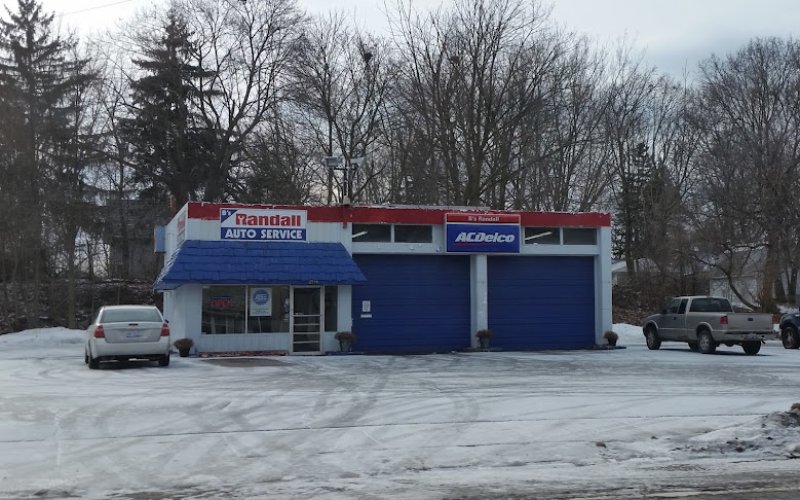
B's Randall Auto Service
Auto repair shop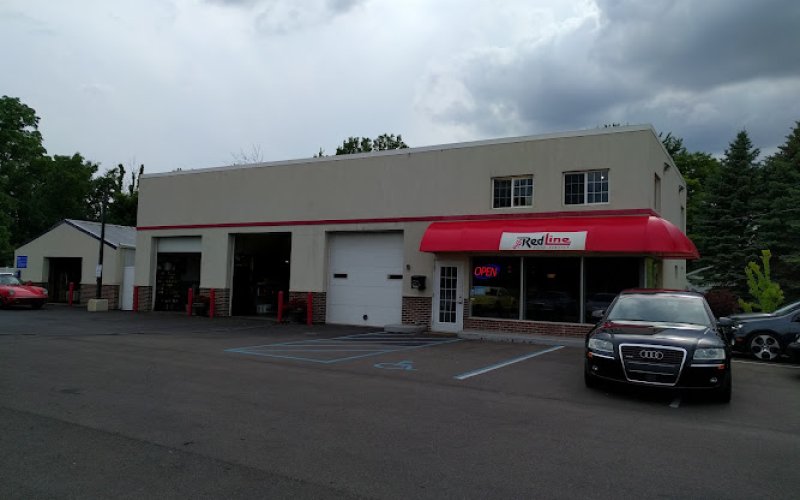
Redline Auto Service
Auto repair shop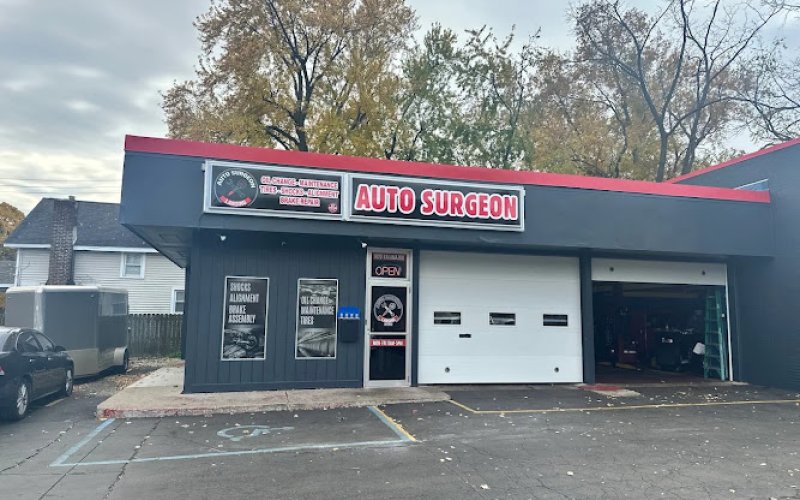
Auto Surgeon Inc
Auto repair shop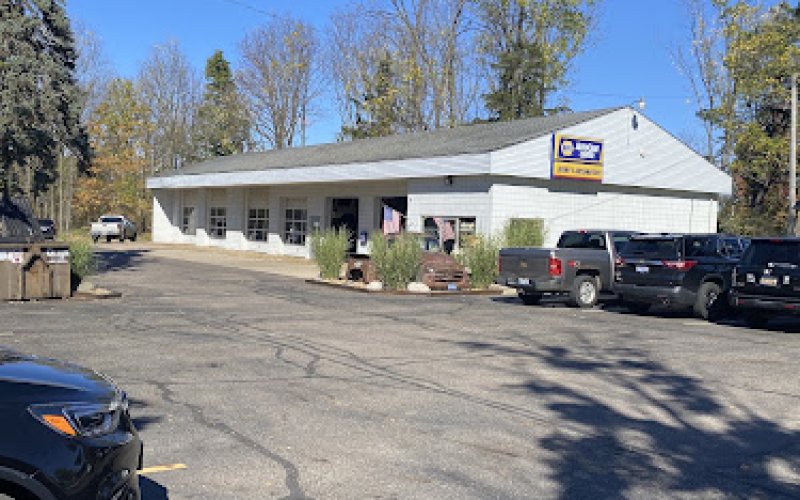
Jerry's Automotive
Auto repair shop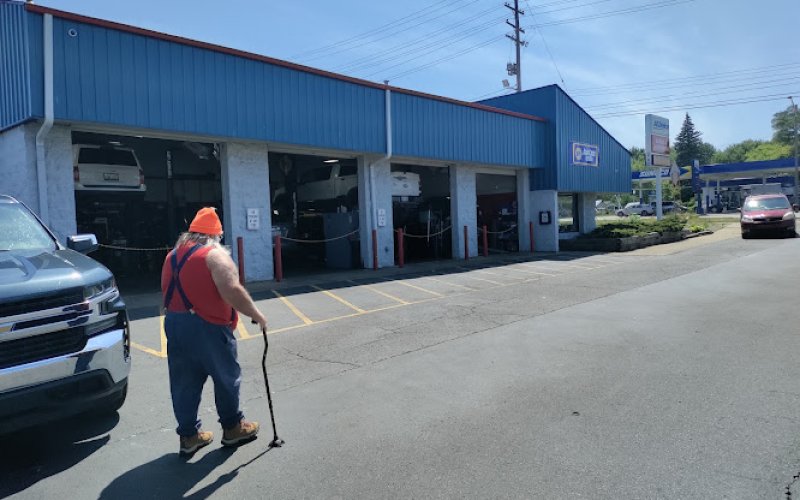
Randall Automotive
Auto repair shop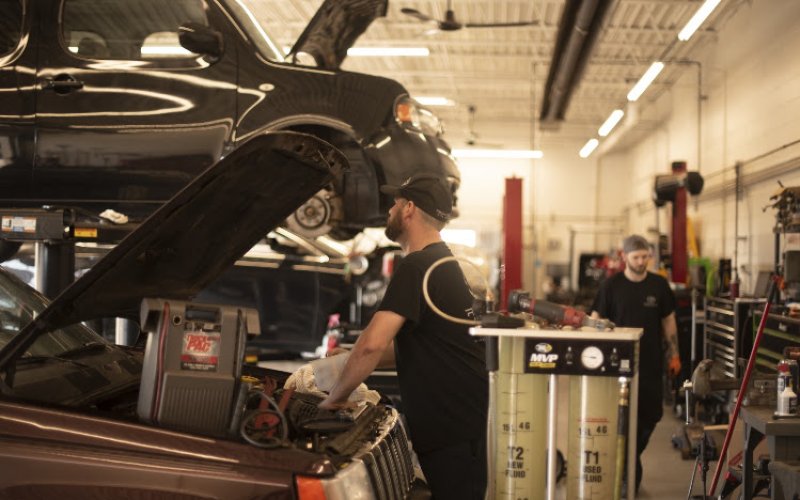
Righter's Auto Repair
Auto repair shop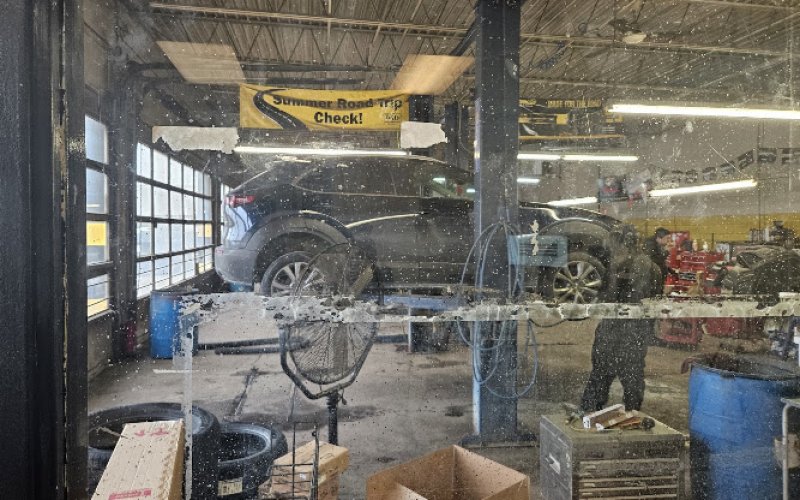
Tuffy Tire & Auto Service Center - South Lansing
Auto repair shop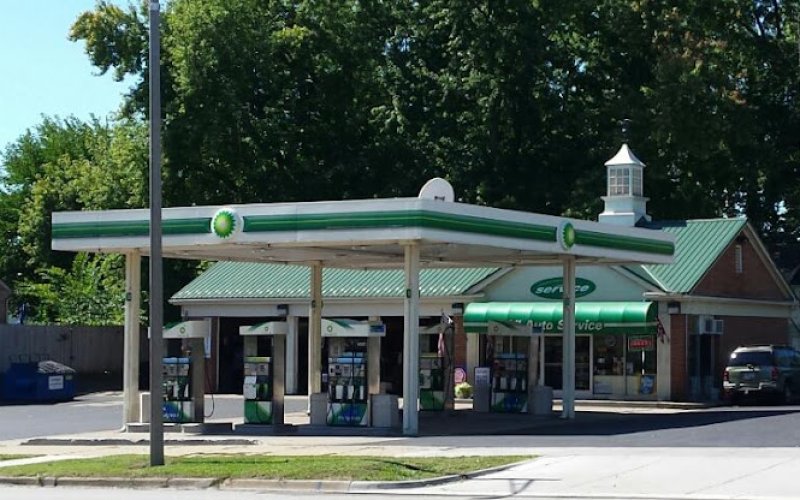
All Auto Service
Auto repair shop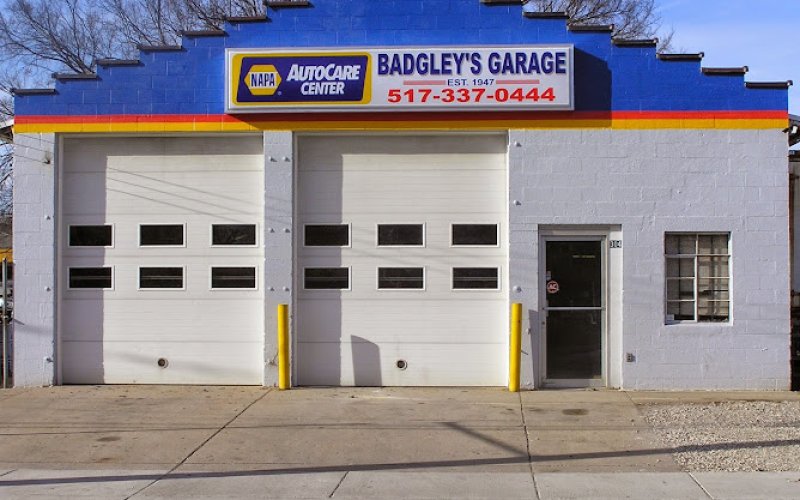
Badgley's Garage
Auto repair shop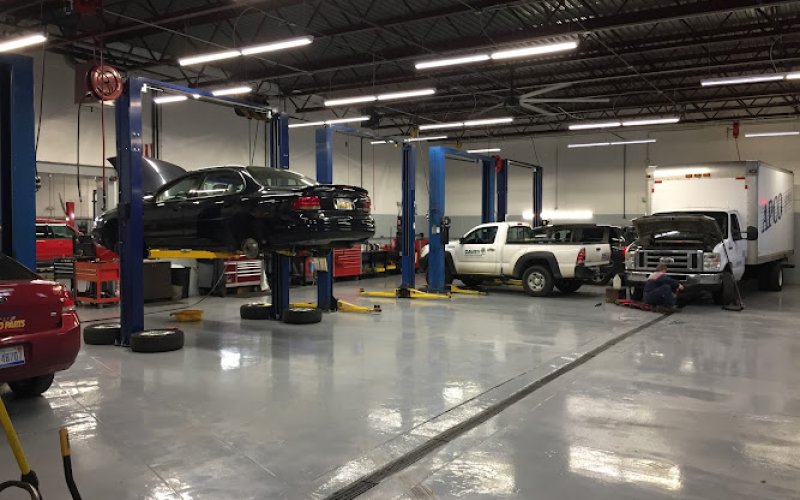
Holt Auto Service
Auto repair shop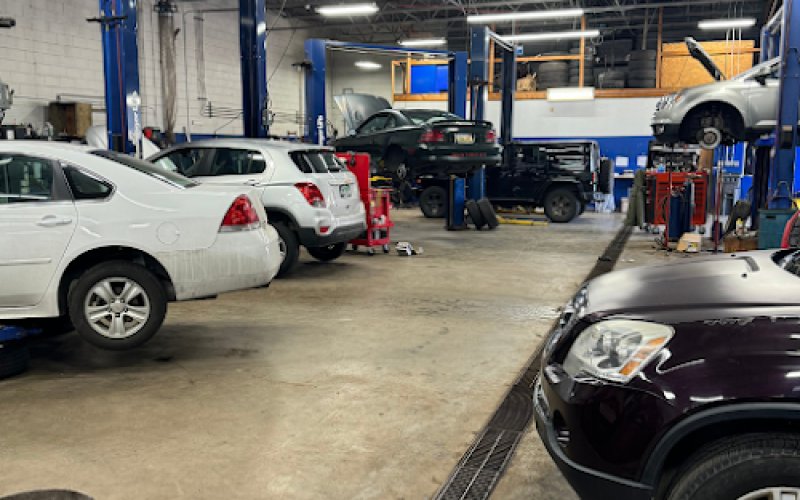
Chuck's Garage Lansing
Auto repair shop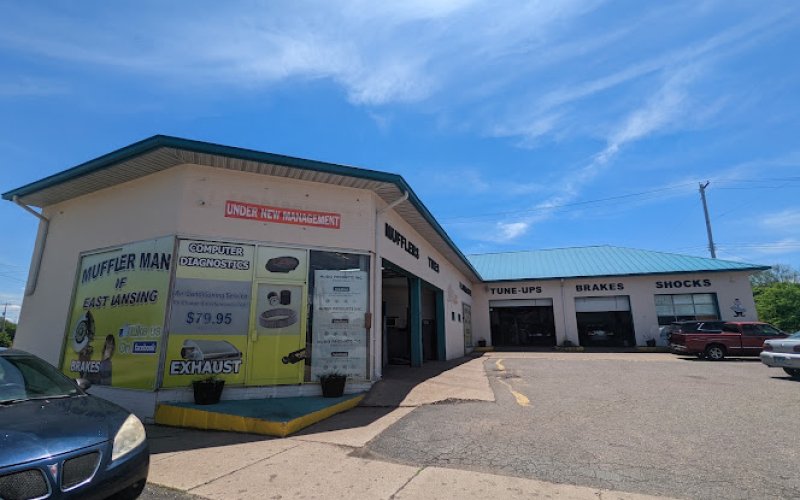
Muffler Man Lansing
Auto repair shopAbout autorepair in Lansing
A Michigan winter does most of its damage to a car in the spring — salt, slush and freeze-thaw cycles quietly eat at brake lines and suspension parts, and the potholes finish the job.
This directory currently lists 12 Auto Repair Shops in Lansing. The local market is a familiar mix: independent garages, manufacturer service departments, tire and quick-lube chains, and specialists focused on transmissions, brakes, European makes, diesel or hybrids. Independents tend to win on relationships and flexibility. Chains win on speed for simple jobs. Specialists matter when the problem is narrow and expensive to guess at.
Lansing's driving conditions wear cars in predictable ways. Stop-and-go traffic around downtown and the state government offices chews through brake pads. Highway commuting on I-496, US-127 and I-96 stacks up miles quickly. Road salt attacks underbodies, exhaust parts and brake hardware. And the freeze-thaw cycle that opens up potholes punishes tires, wheels, struts and alignment.
Who needs a shop here? Commuters with long highway miles, owners of older daily drivers, work-truck operators, families with a second car that gets ignored, and Michigan State University students in East Lansing and nearby who inherited a hand-me-down. And anyone shopping for a used car, since a rust-belt vehicle can look fine from above and be rough underneath.
What sets Lansing apart is the seasonal swing. You get real winter and real summer heat and humidity, so a car here sees cold-start battery strain, salt exposure and A/C demand in the same year. Lansing is also an automotive town, with a long history tied to Oldsmobile and General Motors, so you will find plenty of experienced technicians and a lot of GM vehicles on the road.
Downtown Lansing
- Where and what it is: The compact core around the Michigan State Capitol and the Grand River, with government offices, apartments and the riverfront.
- Driving and vehicles: Short trips, lights every block, and plenty of street and ramp parking. Expect daily-driver sedans and crossovers, and many cars that sit all day and then crawl home at rush hour.
- Typical car-care needs: Brake pads and rotors from constant stopping, and batteries that struggle when a car only makes short hops. Bumper scrapes and curb-damaged wheels are common from tight parking.
- Good to know: If you work downtown, ask a shop whether they offer drop-off with a ride or a loaner. Getting your car back during the same workday saves you a lot of hassle.
Old Town
- Where and what it is: A historic district just north of downtown along Grand River Avenue, known for its older brick buildings, shops and galleries.
- Driving and vehicles: Older streets, tight parallel parking, and a mix of long-time residents' older cars and newer vehicles owned by people who live and work nearby.
- Typical car-care needs: Suspension wear from rough pavement, tires scuffed by curbs, and rust on older vehicles that have spent many winters parked outside.
- Good to know: For a car more than a decade old, an independent shop that will talk through repair-or-replace decisions is usually more useful than a service desk pushing a long list of recommended work.
REO Town
- Where and what it is: A historic area south of downtown named for R.E. Olds and his automobile company, now home to restaurants, shops and older industrial buildings.
- Driving and vehicles: Short hops on older streets, some rough pavement and railroad crossings, and a lot of drivers who care about older or classic cars.
- Typical car-care needs: Alignment checks after railroad crossings and potholes, worn bushings and ball joints, and general upkeep on older vehicles where parts availability matters.
- Good to know: If you drive an older or classic vehicle, ask whether the shop is comfortable sourcing parts and working on carbureted or pre-OBD-II systems. Cars built since 1996 have a standard OBD-II port, but older ones need a different diagnostic approach.
Eastside Lansing
- Where and what it is: Established residential streets east of the river, with a mix of older homes, small businesses and a strong sense of neighborhood.
- Driving and vehicles: Neighborhood streets, trips along Michigan Avenue and Saginaw Street, and commuters heading to the highways. Older daily drivers and family vehicles dominate.
- Typical car-care needs: Tires and alignment after pothole season, brake service, and cooling-system upkeep on high-mileage cars. Underbody rust inspection is worth doing every fall.
- Good to know: On a high-mileage car, ask the shop to prioritize repairs into safety-critical now and can-wait-until-next-month. A good shop will happily rank the list for you.
Two shops can quote the same job differently and both be honest. The difference usually comes down to a handful of factors you can ask about directly.
💰 What Drives the Price
- Vehicle make, model and age: A common domestic sedan generally has cheaper, more available parts than a low-volume import or a luxury model.
- Labor rate times book time: Most shops multiply their hourly rate by the time listed in a flat-rate labor guide, so the same job costs the same labor whether the tech is quick or slow.
- Parts type: OEM, aftermarket and remanufactured parts differ in cost, fit and warranty.
- Diagnostic complexity: An intermittent electrical fault takes far more testing than a worn belt.
- Accessibility: A part buried behind the engine means more labor hours than one you can see when you pop the hood.
- Shop type and fees: Manufacturer service departments, independents and chains price differently, and some add shop supply or disposal fees.
🔧 Common Jobs and What Changes the Cost
- Brake pads and rotors: Front versus rear axle, ceramic versus semi-metallic pads, and whether the rotors are replaced or resurfaced.
- Oil change: Synthetic versus conventional, how many quarts your engine holds, and the filter type.
- Tires: Size, load and speed rating, TPMS sensors, and whether you need an alignment afterward.
- Battery: Group size, whether your car needs an AGM battery (common with start-stop systems), and whether the new battery must be registered or programmed to the car.
- A/C service: A simple recharge versus tracing a leak, and whether your car uses older R-134a or newer R-1234yf refrigerant, which is generally costlier.
- Check engine light: The diagnostic fee covers finding the cause, and the code itself only points to a system, not a specific part.
- Timing belt with water pump: On interference engines a snapped belt can wreck the engine, and doing the water pump at the same time saves repeating the labor.
🧾 How Shops Usually Charge
- Hourly labor with book time: Ask which labor guide the shop uses and what the book time is for your job.
- Flat price on routine services: Oil changes, rotations and inspections are often quoted as a set price. Confirm what is included.
- Diagnostic fee: Ask whether it is credited toward the repair if you approve the work.
- Shop supplies and disposal: Small line items for fluids, rags and waste are normal, but they should be listed, not mysterious.
📈 Local Demand Patterns
- Hot, humid spells send people in for A/C complaints and overheating, so cooling-system work backs up.
- The first hard freeze and the first snow bring a rush of dead batteries and tire swaps.
- Late spring is pothole aftermath season, with a steady stream of alignment and suspension appointments.
How to Get an Accurate Price
- Ask for a written, itemized estimate before any work starts.
- Ask whether the diagnostic fee is credited toward the repair.
- Ask which type of parts the quote assumes: OEM, aftermarket or remanufactured.
- Ask the shop to call you for approval before going over the estimate.
Why Local Shops Have an Edge
- They know what Lansing does to cars: Salt-eaten brake lines, pothole-bent wheels and cold-soaked batteries are everyday jobs, not surprises.
- They see the cars people here drive: With so many GM vehicles, trucks and commuter crossovers around, local techs recognize the common failure points.
- They are easy to return to: If a noise comes back or a warranty question pops up, you can drive over instead of calling a distant service center.
- Their reputation is checkable: Neighbors, coworkers and local reviews tell you quickly whether a shop treats people fairly.
What This Means for You
Say you are buying a ten-year-old SUV that looks spotless. A local shop will put it on a lift and check the frame rails, brake lines and rocker panels for salt damage, which a quick test drive will never reveal.
Or take a car that dies on the first subzero morning. A shop that handles Michigan winters will test the battery and charging system together instead of just selling you a new battery.
Seasonal Patterns in Lansing
- ☀️ Spring and summer: A/C performance checks, cooling-system service, tire pressure and wear checks, and a once-over before road trips. Spring also brings pothole damage, so alignment and suspension slots fill up.
- 🍂 Fall: Battery testing, brake inspection, new wipers, tires and lights before winter. Book early, because this is the last calm window before snow arrives.
- ❄️ Winter: Cold-start problems, weak batteries, heater issues and winter-tire changeovers. Waits stretch after the first big cold snap or snowfall.
- 🌀 Storm season: Severe summer thunderstorms can bring heavy rain, hail and the occasional flooded roadway. Check any car that stood in water for electrical problems, and expect body and glass shops to get busy after hail.
Smart Timing Tips
- ✓ Get a battery test in early fall, before the first cold morning; most batteries last about 3-5 years and heat shortens that.
- ✓ Book brake work the moment you hear squealing or grinding; pads are usually replaced around 3 mm (about 1/8 inch) of material left.
- ✓ Schedule routine service midweek, when shops are generally less crowded than Mondays and Fridays.
- ✓ Ask about parts lead times before you leave the car, so you are not without it for days waiting on a delivery.
Buying a used car? Have a shop inspect it before you sign anything, and look up open recalls by VIN for free on NHTSA.gov.
Credentials to Verify
- ASE certification: A Master Automobile Technician has passed eight tests (A1-A8) and recertifies every five years. ASE also recognizes shops through its Blue Seal of Excellence.
- State registration: Ask whether the shop holds any registration or station license that Michigan requires for the work it does, and confirm it through Michigan's consumer protection office or motor vehicle authority.
- Written warranty: Look for coverage on parts and labor in writing; typical terms run from 12 months/12,000 miles up to 36/36.
Questions to Ask
- Which technician will work on my car, and do they have ASE certifications?
- Do you work on my make and model regularly?
- How do you handle a problem that returns after the repair?
- Can you explain the repair in plain language and show me the failed part?
⚠️ Red Flags
- No written estimate before work begins.
- Pressure to approve major work on the spot.
- Refusing to show or return the old parts.
- Vague "flush everything" upsells with no reason tied to your car's service schedule.
- An advertised price that changes once the car is on the lift, or charges for work you never authorized.
Where to Check Complaints
- Michigan's consumer protection office or the state's automotive repair regulator, for formal complaint history and how to file one.
- The Better Business Bureau, where you should look at how a shop responds to complaints, not just the rating.
- Google and Yelp reviews: ignore the single angry outlier and look for repeated patterns, like surprise charges or unresolved comebacks.
Routine maintenance: A good independent or reputable chain works fine. Look for clear service menus and adherence to your owner's manual intervals.
Brakes and tires: Choose a shop with an alignment rack, tire-mounting and balancing equipment, and a willingness to show you pad thickness and tread depth (2/32 inch is the legal minimum; try the penny test).
Check-engine and electrical diagnostics: Look for a shop with a professional scan tool beyond a basic OBD-II reader, and techs with ASE electrical credentials.
Transmission, engine, hybrid, EV, European or diesel work: Go to a specialist with brand-specific tools and software, since a general shop may not have either.
→ Do you regularly work on my make and model?
→ Is the diagnostic fee credited toward the repair if I approve it?
→ Can I get a written, itemized estimate before any work begins?
→ Will you call me before going over the estimate?
→ What warranty do you give on parts and labor, and for how long?
→ Can you check my underbody, brake lines and suspension for salt and pothole damage while the car is up?
✓ ASE-certified technicians, ideally with a Blue Seal shop.
✓ A clean, organized shop with modern diagnostic equipment.
✓ Clear, written estimates and invoices that list parts and labor separately.
✓ A written warranty with terms that are easy to understand.
✓ Staff who explain the problem without talking down to you.
Starting work without your authorization.
Refusing to put the estimate in writing.
Refusing to let you see or keep replaced parts.
Holding your car hostage over a disputed charge you never approved.
Check Reviews & Ratings
We recommend verifying businesses through trusted review platforms before making a decision.
Frequently Asked Questions
Popular Categories in Lansing
Explore Other Cities
🔧 Auto Repair near Lansing
Professional Categories in Lansing, MI
Popular Auto Services