Chicago, IL's Trusted Auto Repair Shops
Welcome to Chicago's go-to spot for finding auto repair shops you can actually trust. Whether it's a weird noise, a warning light, or just time for an oil change, we'll help you find the right shop in your neighborhood.
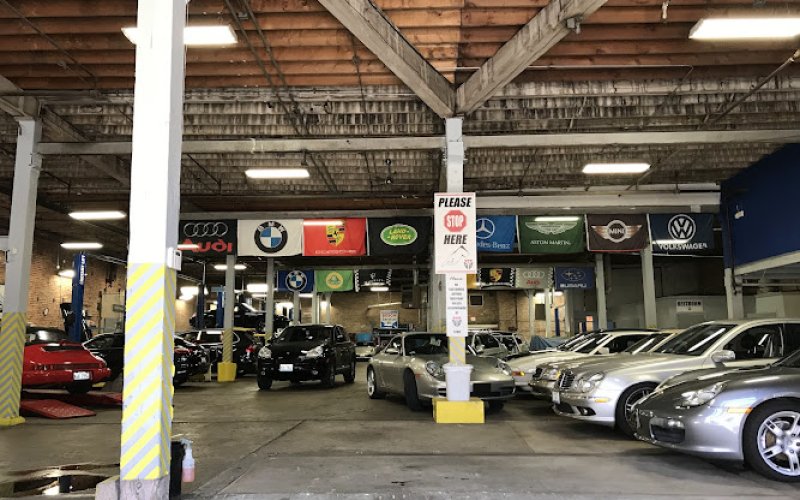
Midwest Performance Cars
Repair shop specializing in servicing German import vehicles.
📍 2105 W Fulton St, Chicago, IL 60612, United States
Map of Businesses in Chicago
All Listings in Chicago
16 businesses
L & T Auto Service Inc.
Auto repair shop
B&L Automotive Repairs, Inc.
Auto body shop
E & J Auto Service
Auto repair shop
L & T Auto Service Inc
Auto repair shopFriendly family-run shop that's been around for years, providing repairs, service and maintenance for vehicles.
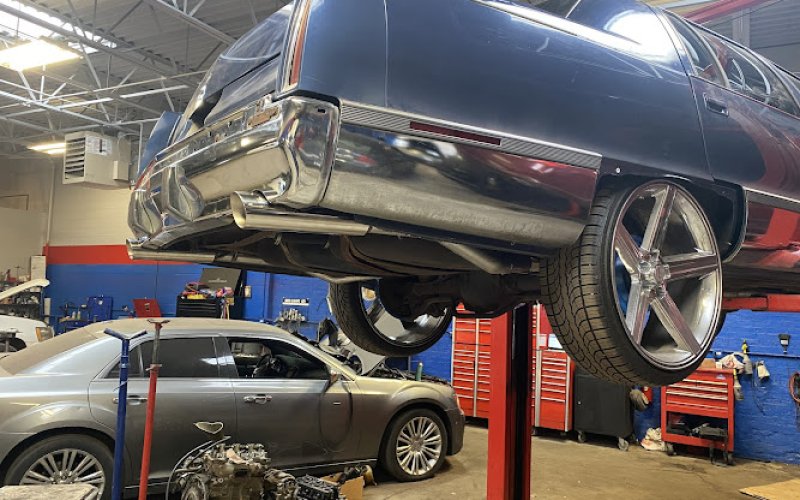
Xpress Auto Repair, Inc
Auto repair shopAuto shop offering repairs on engines, transmissions, and brakes, plus tires and alignments.
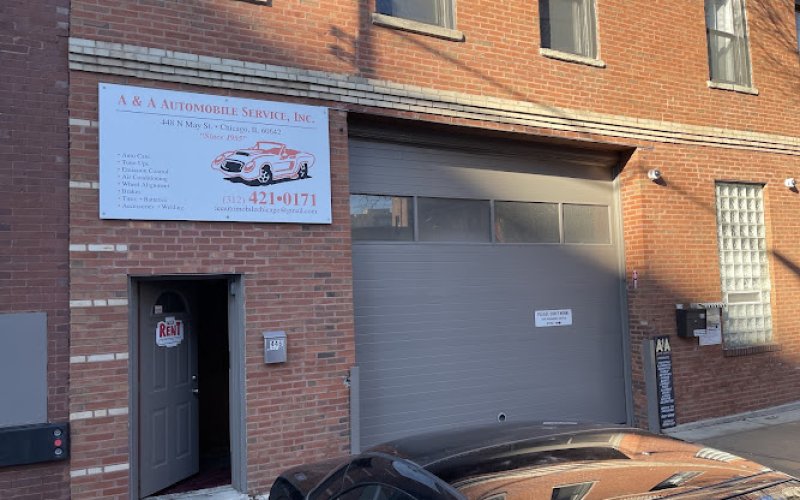
A & A Automobile Service, Inc
Auto repair shopHonest, friendly shop providing car maintenance services and repairs such as oil changes, tire fixes and diagnostics.
Auto Repair Plus
Auto repair shop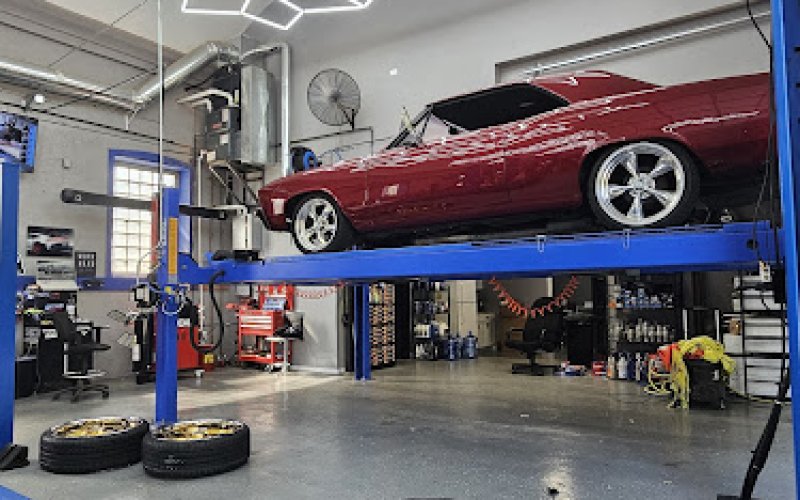
Auto Service Experts
Auto repair shopRepair shop offering services such as tune-ups, transmission replacements, and brake work, plus oil changes.
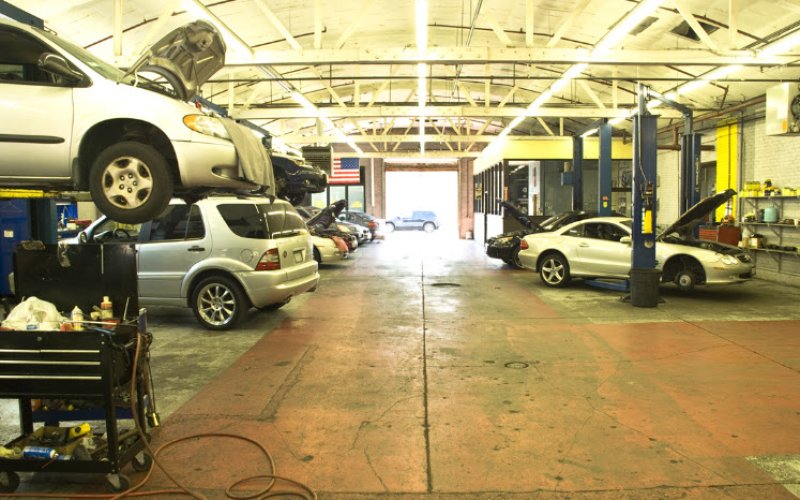
Chicago Auto Repair
Car repair and maintenance serviceFriendly auto repair shop offering oil changes, brakes and tires along with detailing and maintenance.
City Tire & Auto Repair
Auto repair shop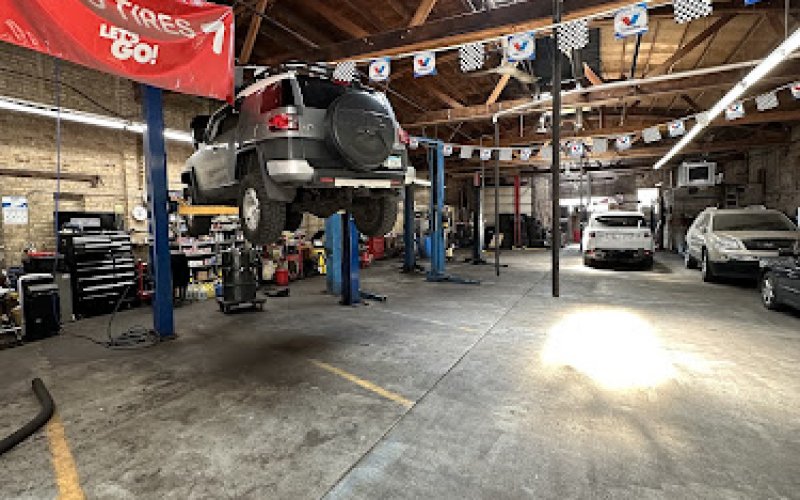
Eliot's Complete Auto Repair
Auto repair shopAuto repair shop offering oil changes, tire and brake services, and tune-ups.

Fred's Wrigleyville Garage & Auto Repair
Auto repair shop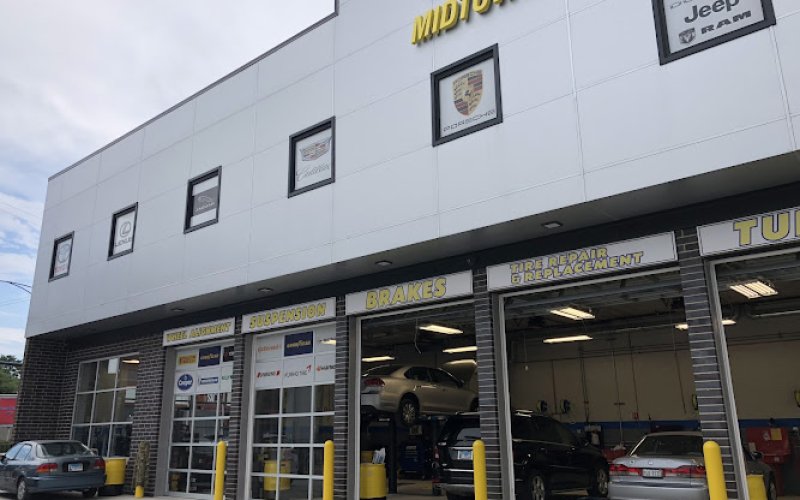
Midtown Auto Repair- Goodyear
Auto repair shopAuto repair shop specialized in brake fixes, oil changes and tire sales. Car washes included during service.
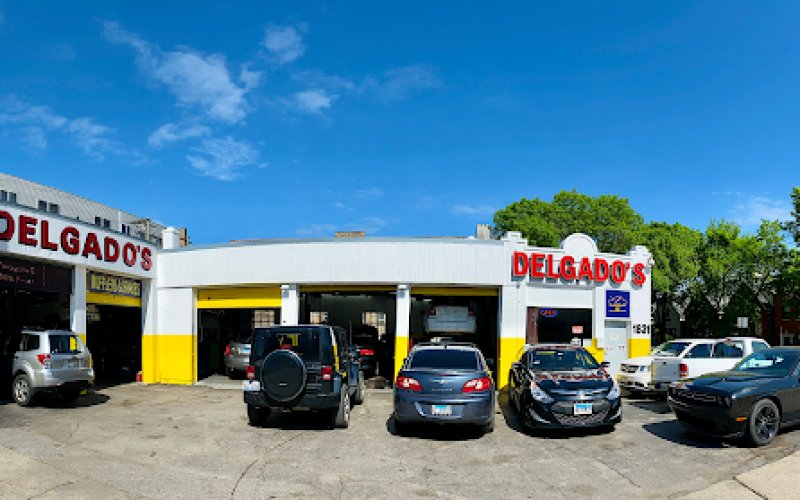
Delgado's Auto Service
Auto repair shop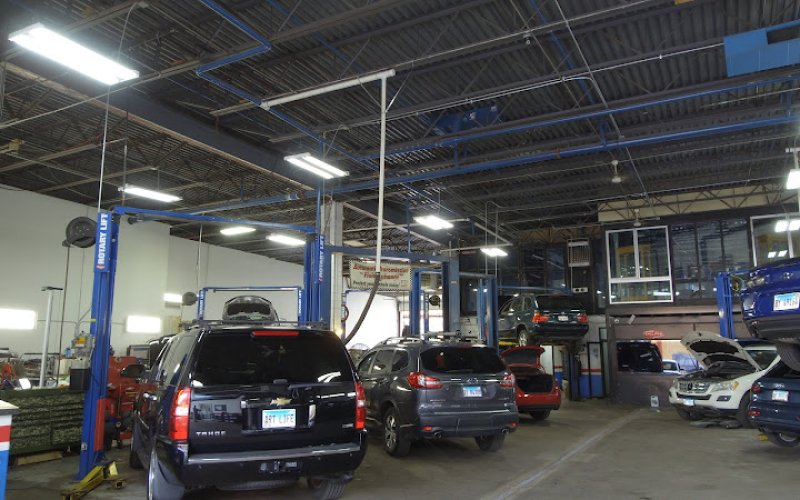
Logan Square Auto Repair
Auto repair shopLong-standing, locally owned auto repair shop offering a variety of services, and a 24-hour drop-off.
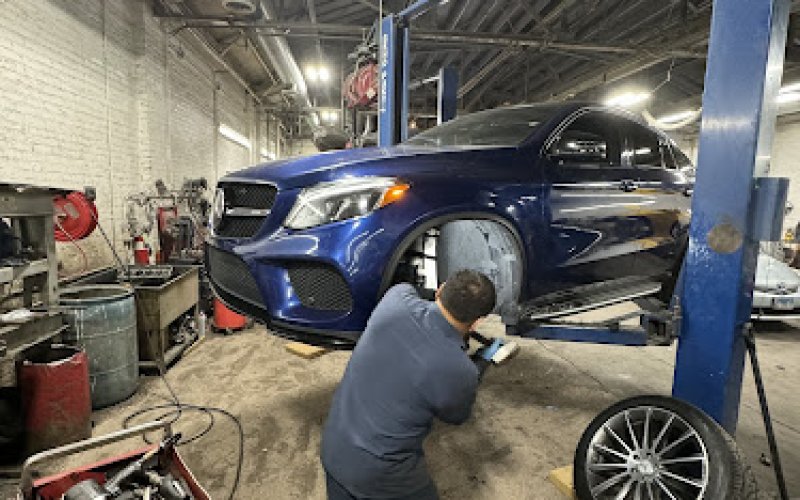
Al Medina Auto Repair
Auto repair shopHonest and friendly mechanics offering auto-repair services including oil changes and tire checks.
About autorepair in Chicago
Here's a number that stopped me mid-coffee at the diner on Belmont: the average Chicago driver now spends $1,186 a year keeping their car running, according to recent industry data—about 14% higher than the national average. Blame the potholes. Blame the winters. Blame a city where road salt eats through undercarriages like it's got a personal vendetta. Whatever the cause, auto repair here isn't optional maintenance, it's survival infrastructure.
The market itself is fragmented in a way that tells you something. You've got roughly 1,400 independent repair shops scattered across the city and another few hundred dealership service centers, but no single chain dominates more than 4-5% of total volume. That's unusual. In a lot of metro markets you see the big franchise names swallow everything. Chicago's different—neighborhood loyalty still means something, and a shop that's been on the same corner in Portage Park for 30 years can outcompete a shiny franchise two blocks away.
Demand drivers are pretty straightforward once you look at them: an aging vehicle fleet (average car age nationally just hit 12.5 years, and Chicago tracks close to that), brutal freeze-thaw cycles that destroy suspension components, and a population that's roughly 55% renters who don't have garage access and park on salted streets all winter. Add in rideshare drivers logging 40,000+ miles a year in Ubers and Lyfts, and you've got a customer base that needs way more frequent brake jobs and oil changes than the suburban norm.
Pilsen
- Area Profile: Working-class, heavily Latino, median household income around $48,000—lower than city average but stable, generational.
- autorepair Activity: Old-school mechanic shops, many family-run for 20+ years. Heavy on brake work, transmission repair, and older vehicle maintenance.
- Price Range: $60-$95/hour labor—some of the most affordable rates in the city.
- Local Note: Cash discounts are common here, and word-of-mouth still beats Yelp. Ask anyone on 18th Street who their guy is.
Lincoln Park
- Area Profile: Affluent, younger professionals, median income north of $110,000. Lots of newer imports and EVs.
- autorepair Activity: Specialty shops for BMW, Audi, Tesla service. Diagnostic work dominates over basic mechanical repair.
- Price Range: $130-$180/hour—premium pricing to match premium vehicles.
- Local Note: Shops here compete on convenience—loaner cars, app scheduling, text updates. You're paying for the experience as much as the wrench work.
Portage Park
- Area Profile: Middle-class, heavily Polish and Eastern European roots, lots of multi-generational homeowners.
- autorepair Activity: General repair, tune-ups, exhaust systems. This is a "fix it, don't replace it" neighborhood.
- Price Range: $75-$100/hour, right in the mid-range citywide.
- Local Note: Old-timers here still trust the shop their dad used. Newcomers moving in from Lincoln Park are slowly changing that, but slowly.
📊 Current Price Points:
- Budget options: $60-$85/hour (basic oil changes, brake pads, older shops in Pilsen, Brighton Park, Gage Park)
- Mid-range: $90-$130/hour (most popular segment—general repair shops citywide)
- Premium: $140+/hour (dealership service centers, EV specialists, Lincoln Park import shops)
📈 Market Trends: Demand's up about 9% year-over-year, driven largely by that aging vehicle fleet I mentioned and delayed maintenance from inflation-squeezed households finally catching up on deferred repairs. Supply is actually tightening—several shops in Logan Square and Avondale closed in 2024 due to rising commercial rents, which means the ones left are booking out 4-7 days for non-emergency work. Pricing's climbing too, roughly 6% higher than last year, mostly parts costs (still some supply chain lag on certain electronics and sensors) rather than labor rate hikes.
Seasonally, Chicago follows a predictable rhythm: things go nuts every March and April when the potholes claim their annual victims (suspension work, alignment, tire replacement), then a summer lull, then a fall bump as people winterize before the first freeze. Average time to complete a standard repair runs 2-3 days; anything involving backordered parts can stretch to 10 days, and I've heard of EV-specific repairs taking three weeks because certified techs are still scarce.
💰 What People Are Spending:
- Brake service — average $380 per visit
- Oil changes/routine maintenance — average $75
- Suspension/alignment (pothole damage) — average $450
- Transmission repair — average $2,800, the big-ticket scare item
- Battery replacement — average $190, spikes hard every January
Economic Indicators: Chicago's population has held roughly steady, hovering around 2.66 million with slight fluctuations, but the metro area continues adding jobs in logistics, healthcare, and finance. Median household income sits at about $67,000 citywide, actually a bit below the Illinois state median of $72,000, which tells you Chicago's repair shops need to compete on value more than luxury pricing across most zip codes.
Major employers—United Airlines, Northwestern Memorial, the various logistics operations near Midway and O'Hare—mean a lot of shift workers and commercial fleet vehicles needing quick turnaround. New development in the West Loop and Fulton Market has actually squeezed out a couple of longtime repair shops through rising rents, pushing that capacity toward Pilsen and West Town instead.
Local Market Dynamics: Competition is real but fragmented—no dominant player, meaning customer service and trust matter enormously. Recent disruption: mobile mechanic apps (think "Uber for oil changes") have grabbed maybe 3-5% of routine maintenance business, mostly from younger South Loop and West Loop residents who'd rather not sit in a waiting room.
How This Affects Buyers/Customers: If you're in Lincoln Park paying $160/hour, you might genuinely save money driving 15 minutes to Avondale for the same job at $95/hour. I've seen people do exactly that and text me later shocked it worked out fine.
Chicago Seasonal Patterns:
- ☀️ Spring/Summer: Peak demand, especially April-May for pothole damage. Shops are busiest, pricing firmest.
- 🍂 Fall: Moderate demand, good window for winterization deals—batteries, tires, fluid checks before the freeze.
- ❄️ Winter: Surge in emergency repairs (dead batteries, frozen pipes, block heater installs) but slower for cosmetic/non-urgent work. Prices can spike on batteries specifically.
- 📅 Peak months: March-May is peak, meaning book early. September-October is your negotiating window.
Timing Tips for Chicago: Best deals typically show up in late September and October when shops want to fill schedules before the winter emergency rush. Inventory (meaning appointment availability) peaks in summer when everyone's driving more and shops staff up seasonal help. The Auto Show at McCormick Place in February doesn't directly move repair pricing, but it does spike interest in trade-ins, which affects used car pre-purchase inspection demand at shops citywide.
Smart Timing Tips:
- ✓ Get your alignment checked every October before winter driving starts
- ✓ Avoid scheduling non-urgent work during the first week after a big snowstorm—shops are slammed
- ✓ Book brake inspections in late summer, before fall rush hits
- ✓ If your battery is 3+ years old, replace it in October, not January when it dies at 2am on Lake Shore Drive
Credentials to Verify: Look for ASE (Automotive Service Excellence) certification—it's the industry gold standard nationally. In Illinois, repair shops don't require a specific state license to operate, but they do fall under the Illinois Attorney General's consumer protection statutes, specifically the Automotive Repair Act, which requires written estimates and itemized invoices. Check for BBB accreditation and look for shops affiliated with AAA's Approved Auto Repair network—that's a real signal of vetted quality.
Questions to Ask: How long has this specific shop operated in this Chicago location (not just "in business," but at this address)? Can they provide references from customers in your specific neighborhood? Will they give a written estimate before starting work, and do they call before exceeding that estimate?
⚠️ Red Flags Specific to Chicago autorepair:
- "Free inspection" that magically finds $2,000 worth of urgent repairs every single time—classic bait-and-switch, especially near expressway off-ramps targeting out-of-towners
- Shops that refuse to return your old parts (Illinois law technically allows you to request them)
- No written estimate, verbal-only pricing that "changes" once work begins
- Pressure to decide same-day, especially for expensive transmission or engine work
Where to Check Complaints: The Illinois Attorney General's Consumer Fraud Bureau tracks Automotive Repair Act violations. Also check BBB Chicago chapter complaint history, and read Yelp/Google reviews looking specifically for repeat complaints about the same issue—one bad review is noise, five people describing identical upselling tactics is a pattern.
✓ Established presence in Chicago (not just passing through)
✓ Verifiable local reviews and references
✓ Transparent pricing, no hidden fees
✓ Clear process explained upfront
✓ Responsive communication
Check Reviews & Ratings
We recommend verifying businesses through trusted review platforms before making a decision.
Frequently Asked Questions
Popular Categories in Chicago
Explore Other Cities
🔨 Contractors near Chicago
Professional Categories in Chicago, IL
Related Services from Similar Professionals