Aurora's Go-To Auto Repair Shops in Illinois
Welcome to the Aurora, IL Auto Repair Shops directory! Whether you're dealing with a strange noise under the hood or just need an oil change, we're here to help you find a shop you can trust.
Map of Businesses in Aurora
All Listings in Aurora
12 businesses
Christian Brothers Automotive Aurora
Auto repair shop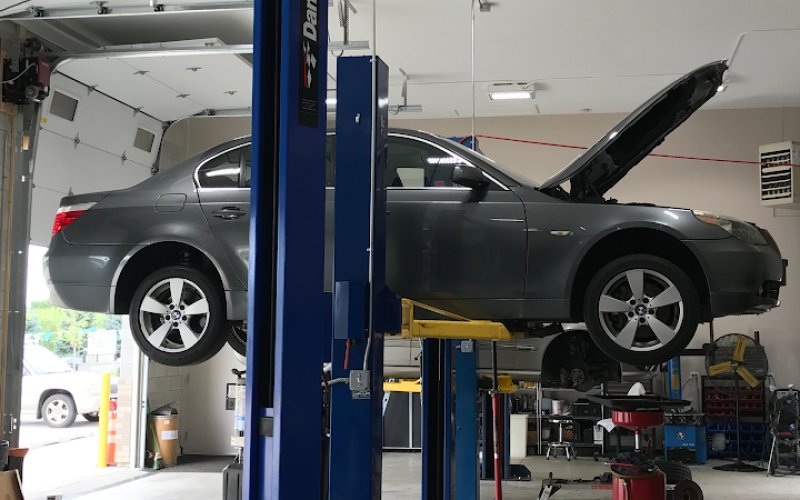
Comprehensive Auto Repair
Auto repair shop
Diehl Auto Repair
Auto repair shop
Farnsworth Auto
Auto repair shop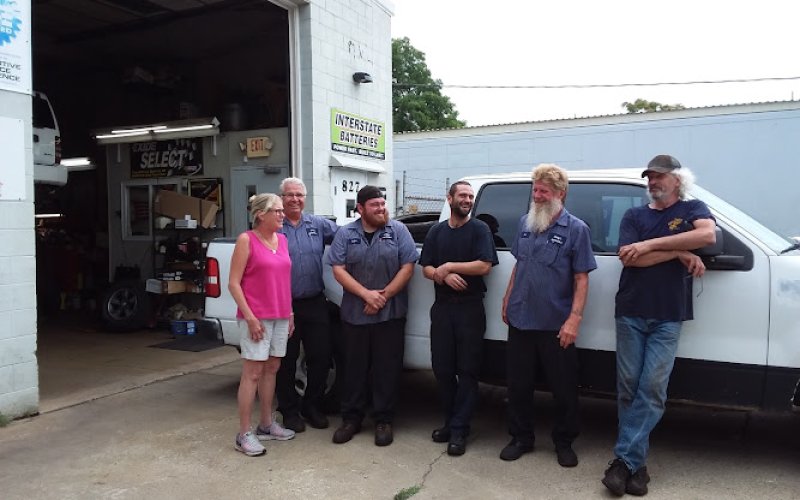
Marty's Automotive
Auto repair shop
PerformanceWerks Auto Clinic Inc
Auto repair shop
Petit Auto Care
Auto repair shop
Guzman Auto Repair
Auto repair shop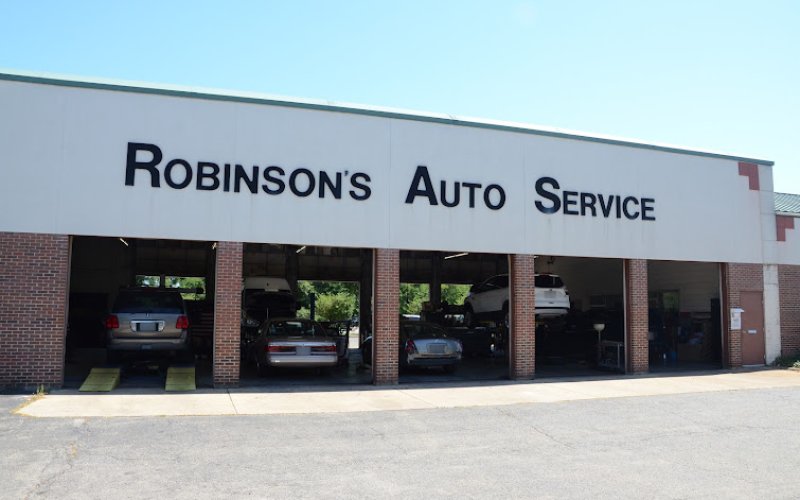
Robinson's Auto Repair Inc
Auto repair shop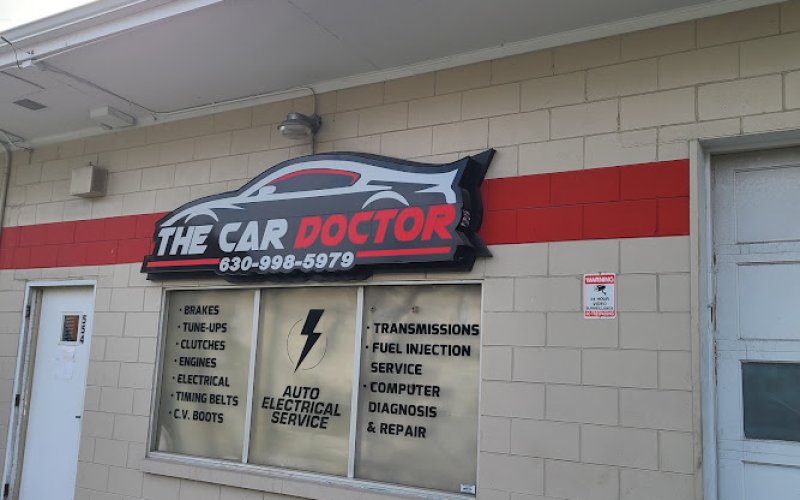

Honest-1 Auto Care
Auto repair shop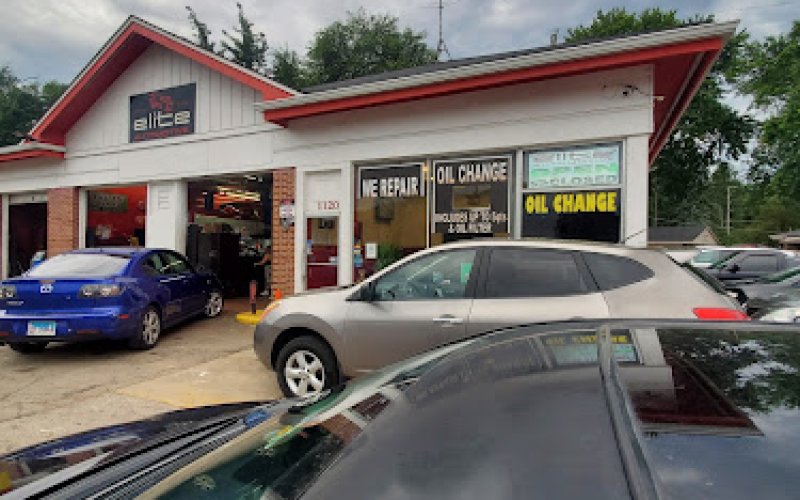
About autorepair in Aurora
Aurora sits on the Fox River with Interstate 88 and the Eola Road corridor pulling thousands of cars through it daily. That mix of river-valley streets, expressway miles, and freeze-thaw winters shapes what actually breaks.
The local market has the usual layers. This directory currently lists 12 Auto Repair Shops in Aurora, and they range from small independent garages to brand-specific service departments, tire and quick-lube chains, and specialists in transmissions, brakes, European cars, diesel, and hybrid or EV work. Independents tend to win on relationships and flexibility. Chains win on hours and speed for simple jobs.
Driving here wears cars in predictable ways. Stop-and-go traffic on Route 59, Route 30, and Lake Street eats brake pads and rotors. Road salt in winter attacks brake lines, rocker panels, and exhaust parts, and the freeze-thaw cycle opens potholes that bend wheels and loosen suspension components like struts, control arm bushings, and tie rods. Summer heat then shortens battery life and stresses the A/C.
Who needs a shop? Metra commuters who park all day at the Aurora station and drive the rest of the week on tollway miles. Families with higher-mileage minivans and SUVs. Work trucks hauling through the Fox Valley. Students and first-car owners on a tight budget. And plenty of people who just bought a used car and want to know what they actually bought.
What stands out about Aurora is that it blends an older core, with its historic downtown and tight streets, and sprawling newer subdivisions on the east and far west sides. Short trips in town and long highway runs often happen in the same week, and that split changes which maintenance items matter most.
Downtown Aurora
- Where and what it is: The historic core along the Fox River, anchored by Stolp Island and the Metra BNSF station. Older brick buildings, one-way streets, and a lot of short hops.
- Driving and vehicles: Slow, stop-and-go driving over older pavement and rail crossings, plus street parking where bumper scrapes and curb hits happen. Expect many older daily drivers, delivery vehicles, and commuter cars that sit all day.
- Typical car-care needs: Brakes wear fast from constant stopping, and short trips can leave batteries undercharged. Cars that sit at the station lot all day often show weak batteries first. Wheel alignment and tie rod checks matter after pothole season.
- Good to know: Independents near the core often handle older vehicles well and can fit in quick jobs. For a newer car still under factory warranty, ask whether they can document service so your records stay clean.
Near Eastside
- Where and what it is: Established residential streets east of the river, with older homes, mature trees, and narrow side streets feeding into Lake Street and Galena Boulevard.
- Driving and vehicles: Mostly short neighborhood trips, school runs, and commutes toward the tollway. The vehicle mix leans toward older sedans, family SUVs, and a fair number of work trucks parked on the street.
- Typical car-care needs: Rust is the quiet problem here. Cars parked outdoors all winter collect salt on brake lines, fuel lines, and underbody seams. Struts, ball joints, and sway bar links take a beating on patched streets.
- Good to know: Ask any shop to put the car on a lift and show you the underbody before you approve brake or suspension work. A good tech will point out corroded lines you can see for yourself.
Fox Valley area
- Where and what it is: The commercial and retail hub on Aurora's east side near the Fox Valley Mall and Route 59 and Ogden Avenue, surrounded by apartments and subdivisions.
- Driving and vehicles: Heavy stop-and-go on Route 59 and Ogden Avenue, constant parking-lot driving, and quick merges to I-88. Plenty of newer commuter cars, crossovers, and a growing number of hybrids.
- Typical car-care needs: Brake pads and rotors, tire wear from frequent turning and braking, and A/C service on cars that idle in summer traffic. Hybrids need techs trained on high-voltage systems and regenerative braking.
- Good to know: Chains here are convenient for tires and oil changes. For a check engine light, though, ask whether the shop does real diagnosis with a scan tool and testing or just reads the code and replaces parts.
Montgomery area
- Where and what it is: The southern edge along the Fox River and Route 31, where Aurora meets Montgomery. Mix of older residential blocks, newer housing, and commercial strips.
- Driving and vehicles: Route 31 and Orchard Road carry steady commuter and truck traffic, with river-adjacent low spots that can see standing water after heavy storms. Vehicles range from pickups and work vans to family sedans.
- Typical car-care needs: Suspension and alignment after pothole season, cooling system service before summer, and a close look at floor carpets, door sills, and electrical connectors on any car that has driven through deep water.
- Good to know: If a car has been through flooding, ask the shop to inspect for moisture in wiring connectors, wheel bearings, and the transmission fluid. Milky fluid is a red flag worth catching early.
Two quotes for the same job can look wildly different, and both can be honest. The gap usually comes from the factors below.
💰 What Drives the Price
- Vehicle make, model, and age: Parts availability and complexity differ sharply between a common domestic sedan and a European luxury car.
- Labor rate times book time: Shops charge an hourly rate multiplied by the time listed in a flat-rate labor guide, not by the minutes the tech actually spends.
- Parts type: OEM parts from the manufacturer, aftermarket parts from other makers, and remanufactured parts all carry different costs and warranties.
- Diagnostic complexity: An intermittent electrical fault takes far more testing time than a worn belt you can see.
- Access: A part buried behind the engine or subframe takes more hours to reach than one sitting on top.
- Shop type and fees: Brand service departments, independents, and chains structure rates and shop fees differently.
🔧 Common Jobs and What Changes the Cost
- Brake pads and rotors: Front versus rear axle, ceramic versus semi-metallic pads, and whether rotors are replaced or resurfaced.
- Oil change: Synthetic versus conventional, how many quarts your engine holds, and the filter type.
- Tires: Size, load and speed rating, TPMS sensor service, and whether you need an alignment.
- Battery: Group size, AGM versus standard for start-stop cars, and whether the new battery must be registered or programmed to the car.
- A/C service: A simple recharge versus tracing a leak, and whether your car uses older R-134a or newer R-1234yf refrigerant.
- Check engine light: The diagnostic fee, plus what the code actually points to, since a code names a symptom, not always a failed part.
- Timing belt with water pump: Interference engines make the belt critical, and replacing the water pump at the same time saves repeat labor.
🧾 How Shops Usually Charge
- Hourly rate with book time: Ask what the rate is and which labor guide the shop uses.
- Flat price on routine services: Oil changes and tire rotations are often quoted as a set price; confirm what is included.
- Diagnostic fee: Ask whether it is credited toward the repair if you proceed.
- Shop supplies and disposal fees: These should appear as a line item on the estimate, not a surprise at the register.
📈 Local Demand Patterns
- Hot Illinois summers send people in for A/C and cooling system problems, and weak batteries often fail on the first hot day.
- The first hard freeze and the first snow bring a rush of battery, tire, and brake calls, and waits stretch fast.
- Holiday weekends and summer road trips fill appointment books for inspections, tires, and fluid checks.
How to Get an Accurate Price
- Get a written, itemized estimate before any work starts, with parts and labor listed separately.
- Ask whether the diagnostic fee is credited if you approve the repair.
- Ask which parts type is quoted: OEM, aftermarket, or remanufactured.
- Ask the shop to call you for approval before going over the estimate.
Why Local Shops Have an Edge
- They know what Aurora does to cars: Salted winter roads, potholes along Route 59 and Lake Street, and heat in July all leave familiar patterns of wear.
- They know the common vehicles: Fox Valley driveways are full of commuter crossovers, minivans, and pickups, and a local tech has likely fixed the same issue on your model many times.
- They are easy to return to: If a noise comes back or you have a warranty question on a brake job, you can drive back across town instead of calling a distant service center.
- Reputation is checkable: Neighbors, coworkers, and local reviews tell you quickly which shops treat people fairly.
What This Means for You
Say you are buying a used SUV that spent its life outdoors in the Chicago suburbs. A local shop knows to put it on a lift and check brake lines, rocker panels, and subframe mounts for salt rust, something a quick online listing never shows.
Or say your car drove through deep water near the river after a big storm. A shop familiar with the area knows to check transmission fluid, wheel bearings, and wiring connectors for moisture before small problems turn into expensive ones.
Seasonal Patterns in Aurora
- ☀️ Spring and summer: A/C performance, cooling system checks, tire condition in heat, and road-trip inspections. Book early in the season, since the first heat wave jams the schedule.
- 🍂 Fall: Battery testing, brake inspections, wiper blades, tire tread, and lights before winter. This is the best window for a calm appointment.
- ❄️ Winter: Hard starts, weak batteries, heater problems, and tire swaps. Expect longer waits right after the first deep freeze or snowfall.
- 🌀 Storm season: Heavy spring and summer storms can bring flood-exposed cars, electrical gremlins, and hail or tree damage. Shops can fill quickly after a major storm.
Smart Timing Tips
- ✓ Get a battery test before the hottest and coldest months, since batteries typically last about 3-5 years and fade faster in heat.
- ✓ Book brake work at the first squeal or grinding, not after; pads are usually replaced around 3 mm (about 1/8 inch) of material left.
- ✓ Schedule routine service midweek, when shops are less crowded than on Fridays and Saturdays.
- ✓ Ask about parts lead times before you leave the car, especially for older or imported vehicles.
Buying a used car? Have an independent shop inspect it before you sign. And check for open recalls by VIN on NHTSA.gov, which is free.
Credentials to Verify
- ASE certification: A Master Automobile Technician has passed eight tests (A1-A8) and recertifies every 5 years. ASE also recognizes shops with its Blue Seal of Excellence.
- State registration or inspection license: Ask whether the shop holds any registration or emissions-inspection station license Illinois requires for the services it offers. Illinois's consumer protection office or motor vehicle authority can tell you what applies.
- Written warranty: Typical shop warranties run from 12 months/12,000 miles up to 36/36. Get the terms on paper.
Questions to Ask
- Which technicians will work on my car, and are they ASE certified?
- Do you have experience with my specific make and model?
- What is your warranty on parts and labor, and is it honored at other locations?
- How do you handle repairs that turn out to cost more than the estimate?
⚠️ Red Flags
- No written estimate before work begins.
- Pressure to approve major repairs immediately, with no time to get a second opinion.
- Refusing to show or return the old parts.
- Vague "flush everything" upsells without a reason tied to your mileage or fluid condition.
- An advertised price that changes once the car is on the lift, or charges for work you did not authorize.
Where to Check Complaints
- Illinois's consumer protection office or motor vehicle authority for formal complaints and licensing questions.
- The BBB, which shows complaint history and how the shop responded.
- Google and Yelp reviews. Look for patterns, such as repeated mentions of surprise charges or comebacks on the same repair, not a single angry review.
Routine maintenance: A reliable independent or chain works for oil changes, filters, and rotations (commonly every 5,000-7,500 miles); check your owner's manual for intervals.
Brakes and tires: Look for a shop with a proper alignment rack and tire balancing equipment, since pothole damage often shows up in tire wear.
Check engine and electrical diagnostics: Choose a shop that tests, not just reads codes. Every car sold in the U.S. since 1996 has an OBD-II port, but the code is only the starting point.
Transmission, engine, and specialists: For major repairs, or for hybrid, EV, European, or diesel vehicles, find a shop with specific training and the right scan tools for your brand.
→ Do you work on my make and model regularly?
→ Is the diagnostic fee credited toward the repair if I approve it?
→ Can I get a written, itemized estimate before any work begins?
→ Will you call me for approval before going over the estimate?
→ What warranty do you give on parts and labor, and for how many months and miles?
→ After a winter of road salt, will you check my brake lines and underbody for rust before we talk about suspension or brake work?
✓ ASE-certified technicians, ideally with Master status for complex work.
✓ A clean, organized shop with modern diagnostic equipment.
✓ Clear written estimates that list parts and labor separately.
✓ A written warranty on repairs, stated in months and miles.
✓ Willingness to explain the problem and show you the worn part.
No written estimate, or refusal to put the quote in writing.
Starting work without your approval or billing for unauthorized repairs.
Refusing to show or return replaced parts.
Insisting a major repair must be done today with no time to compare.
Check Reviews & Ratings
We recommend verifying businesses through trusted review platforms before making a decision.
Frequently Asked Questions
Popular Categories in Aurora
Explore Other Cities
🔧 Auto Repair near Aurora
Professional Categories in Aurora, IL
Popular Auto Services