Houston, TX's Trusted Auto Repair Shops
Welcome to your local autorepair directory in Houston, TX. Find trusted professionals in your area.
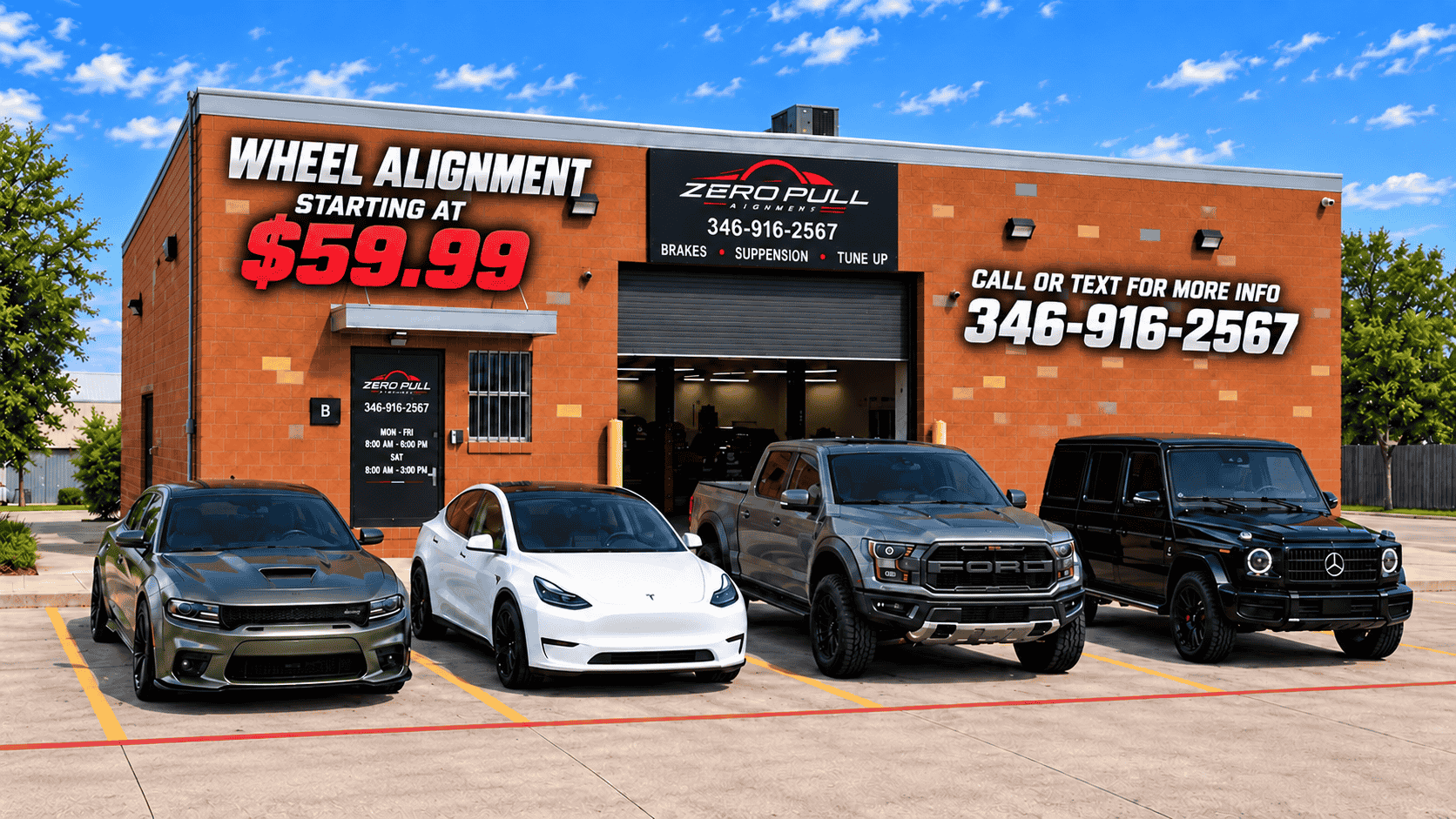
Zero Pull Alignment
Zero Pull Alignment provides professional wheel alignment and automotive services in Houston, TX, including wheel alignment, suspension repair, brake service, tune-ups, and complete auto repair. We serve cars, SUVs, trucks, lifted trucks, European vehicles, and EVs.
📍 6215 Evergreen St Ste b, Houston, TX 77081,
Map of Businesses in Houston
All Listings in Houston
20 businesses
Premium Automotive
Auto repair shop
J&T Automotive
Auto repair shop
Nexar Auto Repair
Auto repair shop
Auto Best Houston Inc
Auto repair shop
Master Car Care & Collision
Auto repair shop
Midtown Auto Service & Repair
Auto repair shop
RMS Auto Care
Auto repair shop
Uptown Automotive Auto Body Shop Repair
Auto body shop
Westside Automotive
Auto repair shop
European Service Center - Houston
Auto repair shop
Scott's Auto Repair
Auto repair shop
West Houston Auto Repair (Briar Forest)
Auto repair shop
Adams Automotive on Blalock
Auto repair shop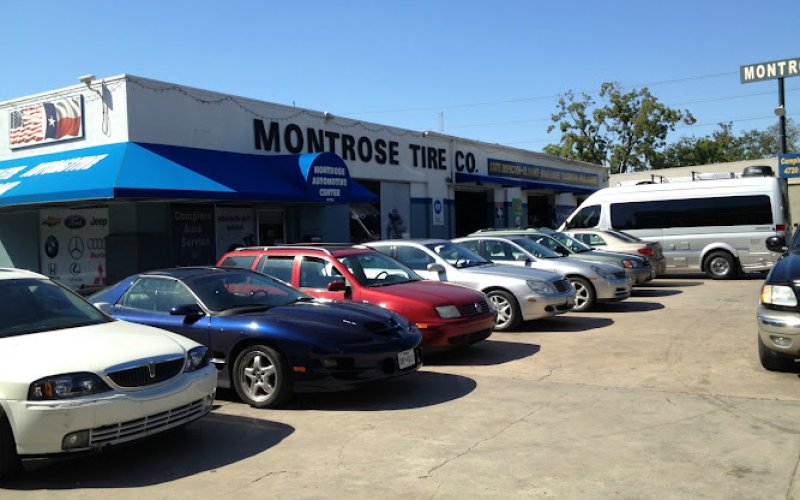
Montrose Automotive
Auto repair shop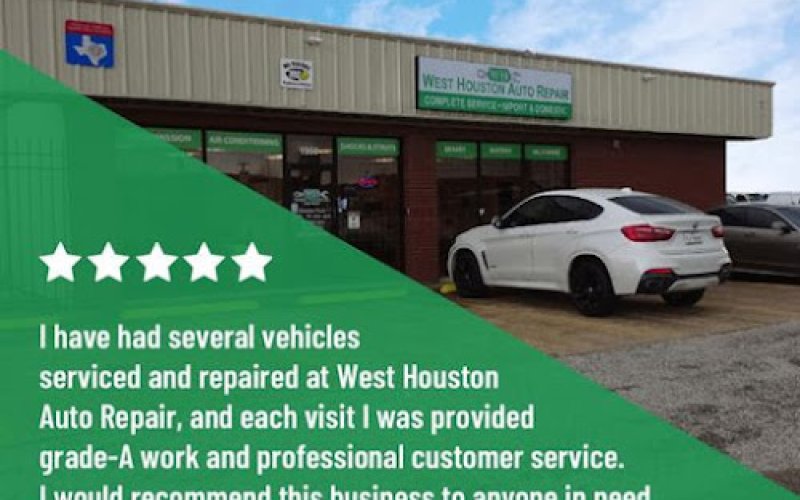
West Houston Auto Repair
Auto repair shop
Downtown Automotive
Auto repair shop
Heights Auto Repair
Auto repair shop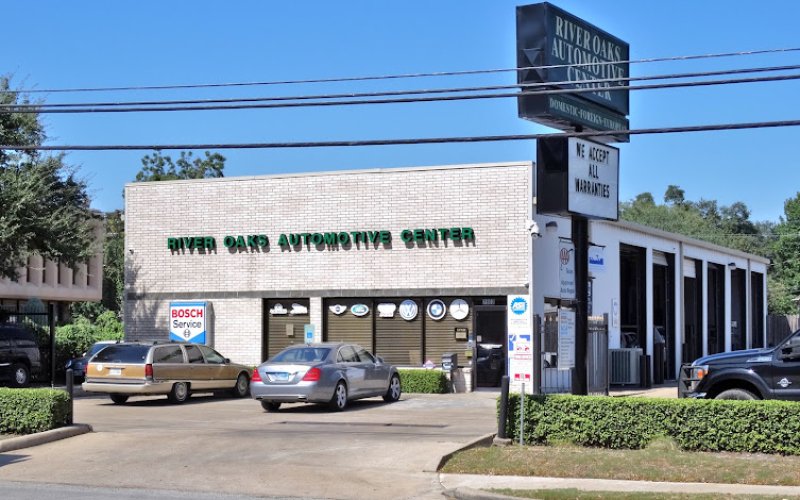
River Oaks Automotive Center
Auto repair shop
B-Tech Auto Diesel Mechanic
Auto repair shopB-Tech Auto Diesel Mechanic is a Houston, TX-based auto repair shop specializing in diesel engines and European cars (Porsche, BMW, Mercedes, Audi, etc.). They offer brake repair, transmission service, collision repair, steering & suspension, and state inspections, backed by 20 years of experience and ASE-trained technicians.
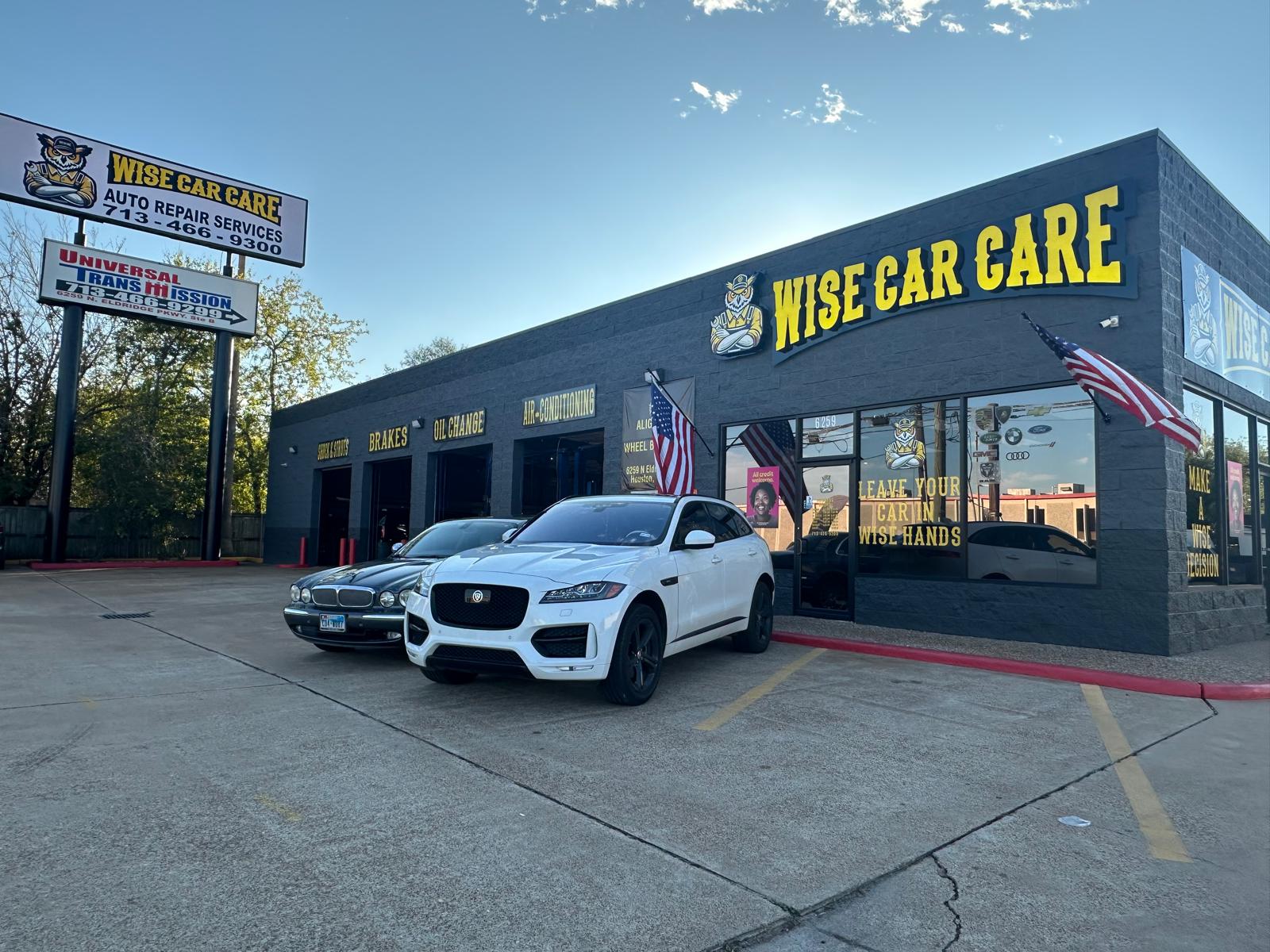
Wise Car Care
Auto repair shopWise Car Care is a locally trusted auto repair shop in Houston, TX, serving drivers with dependable maintenance and repair services for all makes and models. Conveniently located at 6259 N Eldridge Pkwy, Houston, TX 77041, our ASE-certified technicians provide expert brake repair, engine diagnostics, auto AC repair, suspension and steering repair, transmission service, oil changes, wheel alignment, tune-ups, tire services, and fleet maintenance. We also specialize in European vehicle repair, including BMW, Mercedes-Benz, Audi, Volvo, Land Rover, Jaguar, Porsche, and Volkswagen. At Wise Car Care, we believe in honest recommendations, quality repairs, and outstanding customer service. Whether you need routine maintenance or a major repair, our experienced team is committed to keeping your vehicle safe, reliable, and performing at its best.
About autorepair in Houston
Here's a number that stopped me mid-coffee last week: the average Houston household is now spending $1,347 a year on vehicle maintenance and repair—up almost 19% since 2021, according to regional consumer spending data. And if you've driven on I-45 near the North Loop lately, you already know why. Potholes, humidity that eats rubber seals alive, and a metro area where the average commute is pushing 28 minutes each way. Cars here just take more punishment. Houston's auto repair market isn't small. We're talking roughly 2,800+ independent shops and franchise locations scattered across Harris County alone, not counting the dealership service bays. That's a lot of competition, but demand keeps pace—population here grew another 1.6% last year, meaning something like 125,000 new residents, most of whom brought a car with them or bought one within six months of landing. Add in the fact that Houston has one of the oldest average vehicle ages among major Texas metros (11.4 years, per regional auto data), and you've got a recipe for steady, unglamorous, essential demand. Who's actually walking into these shops? It's split pretty evenly between working-class commuters nursing older Hondas and Silverados past 100K miles, and newer transplants—Katy, Cypress, the Energy Corridor crowd—who want dealership-quality diagnostics without dealership prices. The customer base skews male 58/42, but that gap's closing fast as more women manage household vehicle decisions solo. What makes Houston different from, say, Dallas or Austin? Humidity and heat cycles wreck AC systems and rubber components faster, so this market leans heavier on cooling-system and suspension work than most Texas cities.
East End / EaDo
- Area Profile: Working-class, heavily Hispanic community, median household income around $48,000, lots of multi-generational households sharing vehicles.
- autorepair Activity: High volume on brake jobs, transmission work, and used-vehicle pre-purchase inspections. Family-owned shops dominate here—several have been on the same corner for 20+ years.
- Price Range: $60-$120 for basic diagnostics, $400-$900 for major repairs.
- Local Note: Cash discounts are still common practice here—ask, because a lot of shops won't advertise it.
Spring Branch
- Area Profile: Mixed income, older housing stock, huge immigrant population running small auto businesses—this is arguably the repair-shop capital of Houston per square mile.
- autorepair Activity: Everything, honestly. Specialty import work is big here—lots of shops that focus specifically on Toyota, Honda, and older German makes.
- Price Range: Mid-range, $500-$1,200 for engine or electrical diagnostics.
- Local Note: Long Point Road alone has something like a dozen independent shops within two miles. Competition keeps pricing honest.
Katy / West Houston
- Area Profile: Higher income (median around $95,000), newer suburban families, lots of leased SUVs and trucks.
- autorepair Activity: Preventive maintenance packages, extended warranty work, fleet servicing for contractors.
- Price Range: Premium end—$800-$2,000+ for major jobs, since labor rates run higher out here.
- Local Note: Customers here want appointment scheduling and text updates. Old-school "drop it off and we'll call you" shops struggle to retain this crowd.
📊 Current Price Points:
- Budget options: $40-$90 (oil changes, basic inspections, tire rotation)
- Mid-range: $300-$900 (brake systems, AC repair, alternators—the bread and butter)
- Premium: $1,200+ (transmission rebuilds, engine replacement, major electrical diagnostics on newer hybrid/EV models)
📈 Market Trends: Demand's up roughly 12% year-over-year, driven largely by that aging vehicle fleet I mentioned earlier. Parts costs have climbed too—about 8% inflation on aftermarket parts since 2024, per industry supply reports—which shops are passing straight to customers. Labor rates in Houston now average $95-$135/hour depending on the shop's specialty, up from $85-$110 just two years ago. Summer (June through August) is brutal for AC repair volume—shops report 30-40% spikes. Winter's actually slower here, which surprises transplants from colder states. Average turnaround for standard repairs runs 1-2 days; specialty parts orders can push that to a week. 💰 What People Are Spending:
- Brake service — average $380
- AC system repair — average $650 (huge in Houston, obviously)
- Check engine diagnostics — average $120 just for the scan
- Transmission repair/rebuild — average $2,400
- Routine maintenance packages — average $180
Houston's economy is still built on energy, but it's diversified more than people give it credit for—healthcare (Texas Medical Center alone employs 106,000+), the Port of Houston, and a growing tech/logistics presence around the Grand Parkway corridor. Median household income sits around $61,000, slightly below the Texas state average of $67,000, which actually pushes demand toward repair-over-replace decisions. People fix their cars here instead of trading up. New development is reshaping where shops open too. The Ion District downtown, the ongoing build-out in Bridgeland, and continued sprawl toward Fulshear all mean more commuters logging more miles. That's more wear, more service intervals, more business for shops smart enough to follow the growth. Competition is fierce but fragmented—no single chain dominates. Christian Brothers and Firestone have decent footprint, but independents still capture maybe 65% of total repair volume citywide, per local trade estimates. What's shifted recently? A lot of shops added same-day mobile inspection services post-2023, responding to customers who don't want to sit in a waiting room for three hours. For buyers, this means more options but also more homework—you can't just assume the shop with the biggest sign is the best deal.
- ☀️ Spring/Summer: Peak demand, especially AC and cooling system work. Book ahead—wait times stretch to 3-5 days at popular shops.
- 🍂 Fall: Smart season to handle deferred maintenance. Shops slow down slightly, sometimes offer discounts to fill bays.
- ❄️ Winter: Slowest period overall, though battery issues spike during the rare cold snaps. Best negotiating leverage of the year.
- 📅 Peak months: June-August for urgency, November-January for deals.
Tax refund season (February-April) sees a mini-surge too—people use refunds to finally fix that transmission they've been ignoring. Hurricane season prep (May-June) also drives battery and belt replacement spikes. Plan around these if you can. Smart Timing Tips:
- ✓ Get AC systems checked in March, before the summer rush hits
- ✓ Winter is your leverage—shops want the business, ask about discounts
- ✓ Avoid emergency repairs during hurricane season prep weeks if it's not urgent
- ✓ Schedule routine maintenance in slower months (October, January) for faster turnaround
Look for ASE certification (Automotive Service Excellence)—it's the industry standard nationally, not Texas-specific, but it matters. Texas doesn't require a special state license for general repair shops, which honestly surprises a lot of people. The Texas Department of Licensing and Regulation (TDLR) does oversee certain specialty areas though, like vehicle protection product registrations. Membership in AAA's Approved Auto Repair network is a decent trust signal too. Questions to Ask: How long has this specific location been open—not the franchise, the actual shop. Can they give you two local references from the last 30 days. Will they put the estimate in writing before touching the car. ⚠️ Red Flags Specific to Houston autorepair:
- "Storm damage" upsells right after hurricane season—shops preying on flood-related panic
- Verbal-only estimates that balloon once the car's already on the lift
- Shops with a suspicious cluster of 5-star reviews all posted in the same week
- Pressure to replace parts that weren't part of your original complaint
Texas Attorney General's consumer complaint database, the Better Business Bureau's Houston chapter, and honestly—read the 2 and 3-star Google reviews, not just the 1-stars. That middle range usually tells you the real story.
✓ Established presence in Houston (not just passing through)
✓ Verifiable local reviews and references
✓ Transparent pricing, no hidden fees
✓ Clear process explained upfront
✓ Responsive communication
Check Reviews & Ratings
We recommend verifying businesses through trusted review platforms before making a decision.
Frequently Asked Questions
Popular Categories in Houston
Explore Other Cities
🔨 Contractors near Houston
Professional Categories in Houston, TX
Related Services from Similar Professionals