Trusted, Reliable Auto Repair Shops in Omaha, NE
Welcome to your local autorepair directory in Near Omaha, NE. Find trusted professionals in your area.
Map of Businesses in Omaha
All Listings in Omaha
5 businesses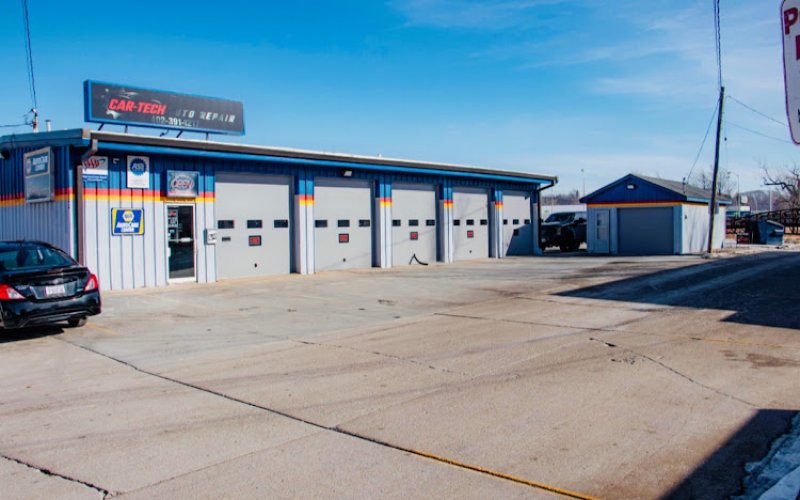
Car-Tech Auto Repair
Auto repair shop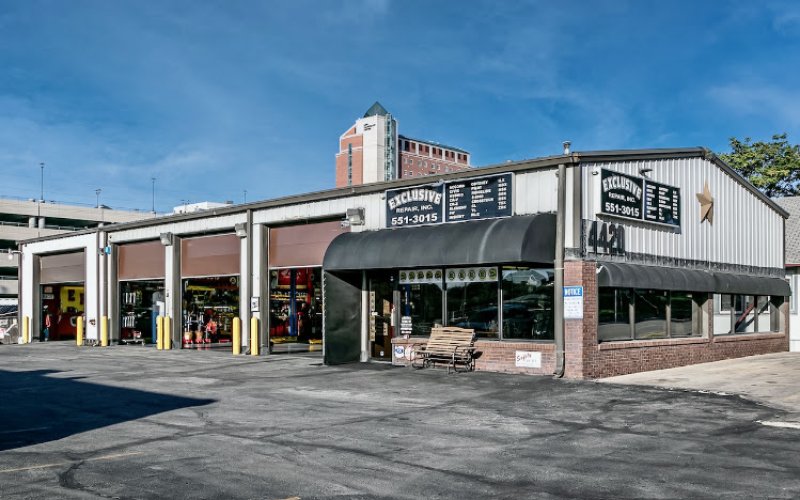
Exclusive Repair
Auto repair shop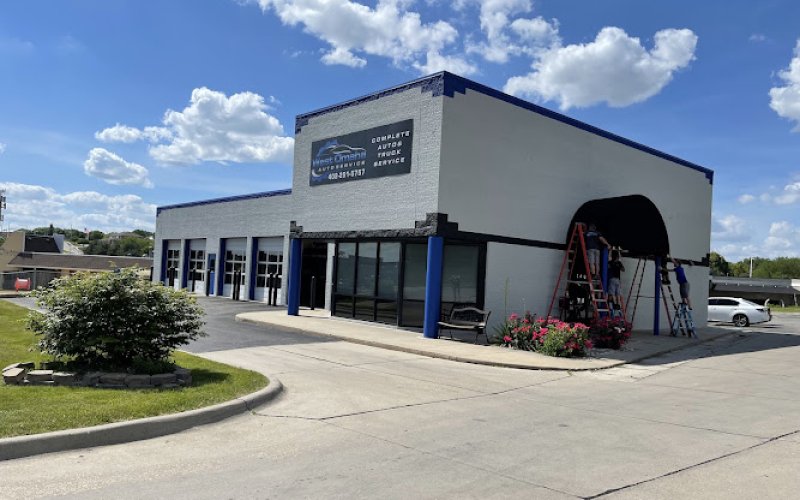
West Omaha Auto Service
Auto repair shop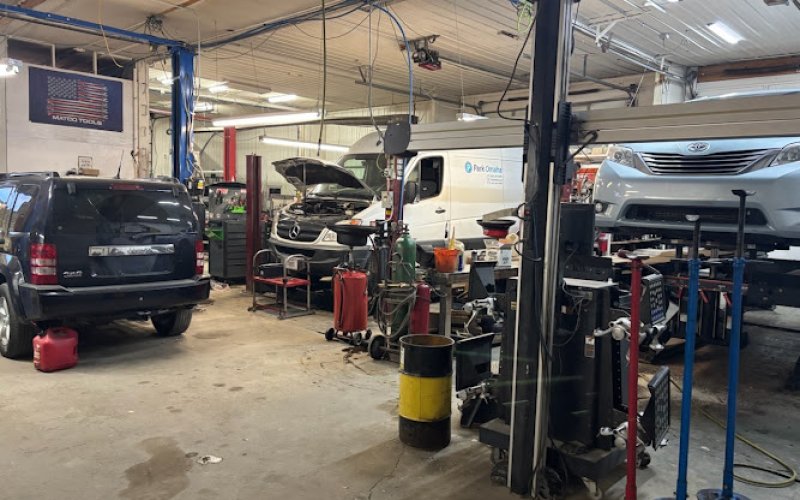
All Tech Automotive Repair Omaha
Auto repair shop
Christian Brothers Automotive Omaha
Auto repair shopAbout autorepair in Omaha
Here's a number that surprised me when I first pulled it: the average Omaha vehicle on the road right now is 12.3 years old, almost a full year older than the national average. That's not a coincidence — it's the whole story of this market in one stat. Nebraskans keep cars longer, drive them harder through brutal winters, and that means the repair shop down the street from you isn't some optional service. It's basically a utility.
Omaha's got roughly 240 licensed auto repair and service operations scattered across the metro, according to state business registry data, and that number has crept up about 4% since 2022. Not explosive growth, but steady — the kind that tells you demand is real, not a bubble. Winter road salt alone drives a huge chunk of business here (rust repair, undercarriage work, brake jobs from all that stop-and-go on icy Dodge Street) in a way that, say, Phoenix shops never have to deal with.
Who's walking through these shop doors? Mostly a mix I'd break into three buckets: young professionals in Blackstone and Benson driving older used cars because $450/month payments on new vehicles don't make sense on their budgets, suburban families in Elkhorn and Papillion who need reliable minivans and SUVs running through soccer season, and a growing Latino small-business and trades population West and South who often own multiple work vehicles. Average repair ticket across the metro sits around $380, per regional service industry surveys — though that swings wildly depending on whether we're talking an oil change or a transmission rebuild.
Benson
- Area Profile: Younger, artsy, lots of renters, median household income around $52K — noticeably below metro average.
- autorepair Activity: Heavy on basic maintenance and older-vehicle keep-alive work. Lots of 2008-2015 Hondas and Fords getting patched together.
- Price Range: $80-$250 for routine visits; shops here tend to run leaner margins.
- Local Note: Several independent shops here have loyal followings built purely on word-of-mouth — no flashy signage needed.
West Omaha / Elkhorn
- Area Profile: Family-heavy, newer construction, household incomes pushing $95K-$110K.
- autorepair Activity: Newer SUVs, minivans, more warranty-adjacent work and factory-scheduled maintenance.
- Price Range: $150-$600, sometimes higher for dealer-adjacent independent shops handling newer tech (hybrid systems, advanced sensors).
- Local Note: Growth here has been intense — new developments off 168th and West Dodge keep pulling in shops chasing that suburban traffic.
South Omaha
- Area Profile: Working-class, large Latino population, multi-generational households, strong small-business trades presence.
- autorepair Activity: Fleet and work-truck repair is big here — contractors, landscapers, delivery drivers.
- Price Range: $100-$400 typical, with fleet discounts common for repeat commercial customers.
- Local Note: Bilingual shops have a real competitive edge in this part of town — it's not a nice-to-have, it's expected.
📊 Current Price Points:
- Budget options: $60-$150 (oil changes, basic diagnostics, tire rotation)
- Mid-range: $250-$700 (brakes, alternators, suspension work — the bread-and-butter segment)
- Premium: $900+ (transmission rebuilds, engine work, hybrid battery replacement)
📈 Market Trends: Demand is up roughly 6% year-over-year, driven largely by that aging-vehicle trend I mentioned earlier plus persistent new-car price inflation keeping people in their current rides longer. Parts costs are still elevated — supply chain hangovers from a few years back haven't fully worked themselves out, and labor rates at Omaha shops have climbed from an average $95/hour in 2022 to about $115/hour now. Winter (December through February) is brutal for demand — battery failures, cracked belts, heater core issues spike hard. Most straightforward repairs close same-day; anything involving special-order parts runs 3-5 business days, sometimes longer if it's an oddball import.
💰 What People Are Spending:
- Brake service — average $310, most common single repair category metro-wide
- Battery replacement — average $180, spikes 40% in January alone
- Suspension/steering — average $450, common after pothole season (March-April, thanks to freeze-thaw cycles)
- Transmission repair — average $1,850, less frequent but the biggest single ticket item shops see
Omaha's metro population sits around 967,000 and change, growing about 1.1% annually — not explosive, but consistently outpacing a lot of Midwest peer cities. Major employers like Mutual of Omaha, Union Pacific, and the ConAgra/Berkshire-adjacent business ecosystem keep household incomes stable, with median household income around $68,000, slightly above the Nebraska state average of roughly $66,000.
New development is honestly everywhere right now — the continued build-out around Aksarben Village, the West Dodge corridor expansion, and infill projects in North Downtown are all adding rooftops and, by extension, more cars needing service. Competition-wise, it's a fragmented market. No single chain dominates — you've got national names like Christian Brothers and Firestone competing against a strong core of independent shops that have been around 20+ years and survive purely on reputation.
What this means practically: if you're a customer, you've got real leverage. Shops here compete hard on trust and turnaround time because there's always another option three miles away. I've seen this play out with friends who switched shops after one bad diagnostic experience and never looked back — word travels fast in a metro this size.
Omaha Seasonal Patterns:
- ☀️ Spring/Summer: Moderate demand, good time for non-urgent maintenance — shops have more scheduling flexibility June through August.
- 🍂 Fall: Demand ticks up as people prep for winter — this is when smart owners get batteries and belts checked before the cold hits.
- ❄️ Winter: Surge season. Battery deaths, frozen fluid lines, pothole damage from icy roads all spike costs and wait times.
- 📅 Peak months: January-February for emergency repairs; March-April for suspension/alignment after pothole damage.
Timing Tips for Omaha: Best deals tend to show up in late summer when shops are trying to fill slower schedules before the winter rush hits. Tax season (Feb-April) also brings a wave of people finally fixing deferred maintenance once refunds land — expect longer waits then too.
Smart Timing Tips:
- ✓ Get your battery tested every October — cheap insurance against a January morning surprise
- ✓ Book alignment/suspension checks in early spring before pothole damage compounds
- ✓ Avoid scheduling non-urgent work during the first week after a major snowstorm — shops are slammed
- ✓ Ask about off-peak discounts; some Omaha shops quietly offer them summer weekdays
Credentials to Verify: Look for ASE (Automotive Service Excellence) certified technicians — it's the industry standard nationally and a strong signal locally too. Nebraska doesn't have a dedicated auto repair licensing board the way some states do, but shops should still be registered with the Nebraska Secretary of State and, ideally, accredited through the Better Business Bureau of Omaha.
Questions to Ask: How long has the shop actually operated in Omaha (not just "in business," but at this location)? Can they provide local references, not just online reviews? Will they give you a written estimate before starting work?
⚠️ Red Flags Specific to Omaha autorepair:
- Quoting a low price over the phone then "discovering" thousands in additional needed repairs once your car's already on the lift
- No written estimate — verbal-only pricing that mysteriously changes at pickup
- Shops that pressure same-day decisions on major repairs without letting you get a second opinion
- Reviews that are suspiciously all 5-star and posted within the same short window (a sign of purchased reviews)
Where to Check Complaints: Start with BBB Omaha's business profiles, cross-reference Google reviews looking for detailed, specific complaints (not just star ratings), and check the Nebraska Attorney General's consumer complaint database for any formal filings against a shop.
✓ Established presence in Omaha (not just passing through)
✓ Verifiable local reviews and references
✓ Transparent pricing, no hidden fees
✓ Clear process explained upfront
✓ Responsive communication
Check Reviews & Ratings
We recommend verifying businesses through trusted review platforms before making a decision.
Frequently Asked Questions
Popular Categories in Omaha
Explore Other Cities
🔨 Contractors near Omaha
Professional Categories in Omaha, NE
Related Services from Similar Professionals