Your Auto Repair Shops in Denver, CO, Sorted
Welcome to your local autorepair directory in Denver, CO. Find trusted professionals in your area.
Map of Businesses in Denver
All Listings in Denver
5 businesses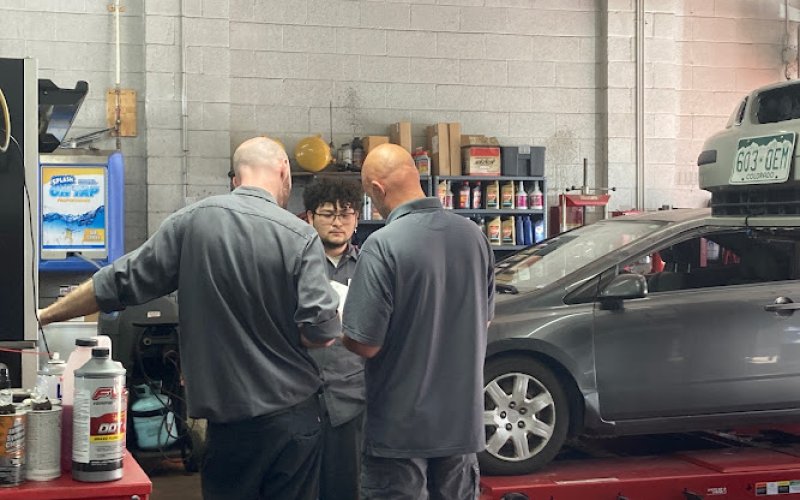
Golden Triangle Auto Care
Auto repair shop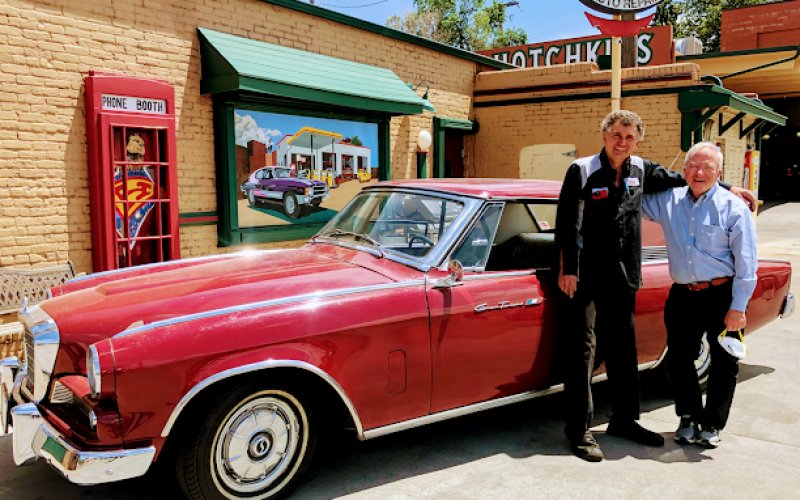
Hotchkiss Auto Repair
Auto repair shop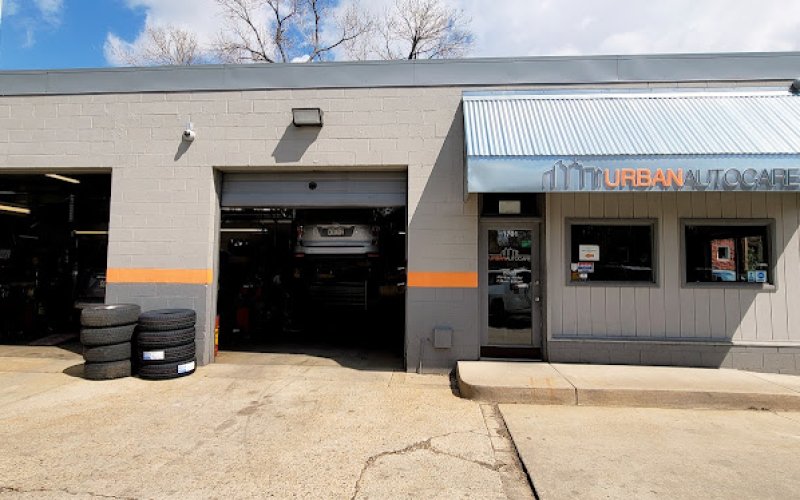
Urban Autocare
Auto repair shop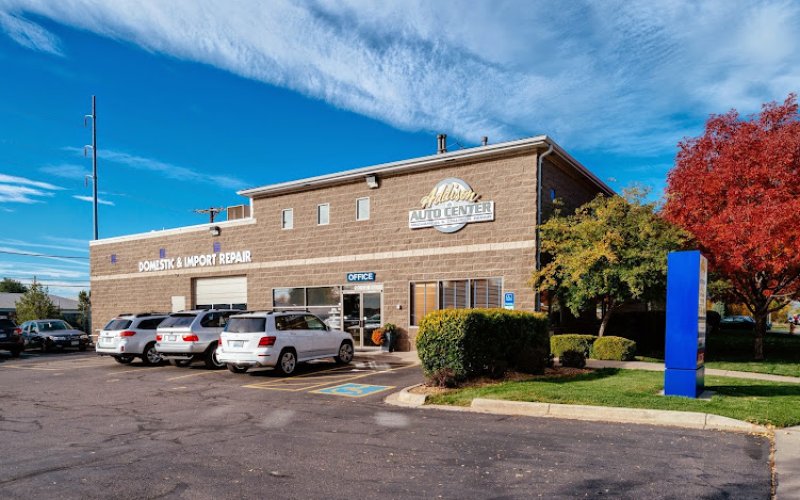
Addison Auto Repair & Body Shop
Auto repair shop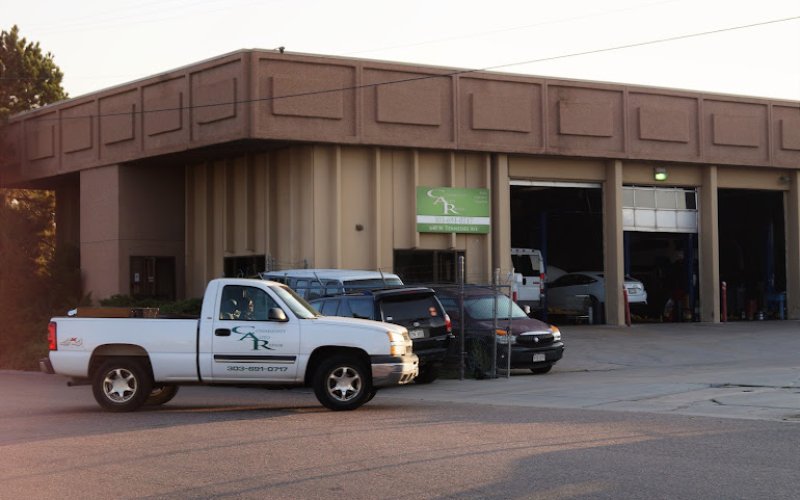
Community Auto Repair
Auto repair shopAbout autorepair in Denver
Here's a number that stopped me mid-coffee at Sam's No. 3 last month: the average Denver vehicle owner spent $732 on repairs and maintenance in 2024, according to industry data—up from $598 just three years ago. That's a 22% jump, and it's not because parts got fancier. It's because Denver's fleet is aging. The average car on I-25 right now is 12.6 years old, which means transmissions are failing, timing belts are snapping, and that check engine light isn't going away on its own.
So what's driving this? Population growth, mostly. Metro Denver added roughly 15,000 people in the past year (slower than the boom years, but still steady), and a lot of them brought older vehicles from Texas, California, wherever gas is cheaper and mechanics are pickier. Add in Denver's brutal freeze-thaw cycle—potholes on Colfax aren't a meme, they're a business model for suspension shops—and you get a repair market that's less optional, more inevitable.
There are somewhere around 480 independent auto repair shops operating in the Denver metro area, per local business licensing data, not counting dealership service departments. That's a lot of competition, but it's also a fragmented market. No single chain dominates the way, say, a big grocery brand might. Customers here skew heavily toward homeowners aged 35-55 with household incomes between $65K-$95K, but I'll tell you this: I've seen just as many college kids in Sunnyside nursing a 2009 Civic through one more Colorado winter. Everybody needs a mechanic eventually.
Athmar Park / West Denver
- Area Profile: Working-class, heavily Latino community, median household income around $52,000. Lots of multi-car families relying on older vehicles.
- autorepair Activity: High demand for brake jobs, transmission work, and used-parts repairs. Cash discounts are common practice here—ask around.
- Price Range: $150-$600 for most repair jobs, noticeably below metro average.
- Local Note: Several shops here have operated 20+ years and built reputations purely on word of mouth. Old-timers know exactly which garage on Alameda to trust.
Capitol Hill
- Area Profile: Dense, younger renters, lots of street parking wear-and-tear (curb rash is basically a rite of passage here).
- autorepair Activity: Tire and alignment work dominates. Also a surprising number of European import specialists tucked into converted garages.
- Price Range: $200-$900, trending higher due to import parts costs.
- Local Note: Parking-related damage claims spike every winter after the first big snow—body shops here know this rhythm cold.
Highlands / LoHi
- Area Profile: Newer money, young professionals, median income pushing $95,000+. Newer vehicle fleet overall.
- autorepair Activity: Preventive maintenance and diagnostics lead here—people pay to avoid problems, not just fix them.
- Price Range: $250-$1,200, premium pricing reflects the neighborhood.
- Local Note: Several shops have pivoted to EV and hybrid service as Highlands residents adopted electric vehicles faster than almost anywhere else in the city.
Aurora border / East Colfax
- Area Profile: Mixed-income, immigrant-heavy, huge diversity in vehicle types and ages.
- autorepair Activity: Everything—fleet vehicles, commuter cars, older trucks. High volume, quick-turnaround shops thrive.
- Price Range: $100-$500, some of the most competitive pricing in the metro.
- Local Note: This corridor has the highest shop density per capita in Denver. Competition keeps prices honest, mostly.
📊 Current Price Points:
- Budget options: $80-$250 (oil changes, basic diagnostics, minor brake work)
- Mid-range: $300-$800 (most popular segment—alternators, water pumps, moderate suspension work)
- Premium: $900+ (transmission rebuilds, engine work, EV battery diagnostics)
📈 Market Trends: Demand is up roughly 9% year-over-year, per regional service industry reports, driven largely by that aging vehicle fleet I mentioned. Parts supply, though? Still a little wobbly—certain import parts are taking 2-3 weeks longer to arrive than pre-2020 norms. Labor pricing has climbed too, up about 14% since 2022, mostly because qualified techs are hard to find and shops are competing for talent. Winter (November through February) is peak season here—battery failures, block heater installs, and pothole-related suspension damage all spike together. Summer's steadier, more routine-maintenance focused. Average time to complete a standard repair sits around 2.5 days right now, up from under 2 days in 2021, mostly due to that parts lag. 💰 What People Are Spending:
- Brake service — average $380
- Transmission repair — average $2,100
- Suspension/alignment (thanks, potholes) — average $450
- Battery/electrical — average $290
- Routine maintenance packages — average $180
Denver metro's population has grown about 1.1% annually over the past two years—slower than the mid-2010s frenzy, but still adding bodies and cars. Major employers like UCHealth, Lockheed Martin, and the growing tech corridor around RiNo keep commuters on the road daily. The National Western Center redevelopment and continued growth near the old Stapleton area (now Central Park) are adding new residents who need reliable transportation immediately. Median household income in Denver proper sits around $77,000, slightly above the Colorado state average of $72,000. Local Market Dynamics: Demand here isn't seasonal in the way retail is—it's mechanical failure driven, which means it's remarkably steady with predictable winter spikes. No major chain has cornered more than maybe 8-10% of market share; it's still a landscape (sorry, had to) of independent shops competing on trust and turnaround time. The recent shift? More shops adding EV service capacity, because Denver's EV adoption rate outpaces most Mountain West cities. How This Affects Buyers/Customers: Practically, this means you've got leverage as a customer—competition keeps prices from running away, but it also means quality varies wildly shop to shop. I've seen the same water pump job quoted $280 at one Athmar Park shop and $650 at a Cherry Creek location. Same part. Different overhead, different customer base.
- ☀️ Spring/Summer: Moderate demand, good time for non-urgent maintenance, shops have more scheduling flexibility.
- 🍂 Fall: Smart prep season—battery checks, tire swaps before first snow. Demand starts climbing.
- ❄️ Winter: Surge season. Battery failures and pothole damage spike, wait times lengthen, prices firm up.
- 📅 Peak months: December through February are tightest. March and September are your negotiating windows.
Book non-emergency work in late spring when shop schedules loosen. Avoid the week after the first major snowstorm—every shop in the city gets slammed with alignment and battery calls simultaneously. Tax season (Feb-April) sees a small bump too, as people use refunds for deferred maintenance. Smart Timing Tips:
- ✓ Schedule routine maintenance in June or September, not January
- ✓ Get pre-winter inspections done by mid-October, before the rush
- ✓ Ask about slower-day discounts—Tuesdays and Wednesdays often have better availability
- ✓ Don't wait for a dashboard light in December; you'll wait longer and pay more
Look for ASE (National Institute for Automotive Service Excellence) certified technicians—it's the industry standard, not state-mandated in Colorado, but it matters. Colorado doesn't require a specific state license for general auto repair shops, but the Colorado Department of Regulatory Agencies (DORA) handles consumer complaints, and that's your resource if something goes sideways. AAA-approved shop status is another decent signal, along with Better Business Bureau accreditation. Questions to Ask: How long has the shop operated at this specific Denver location? Can they provide references from customers in your neighborhood? Will they give a written estimate before starting work, and stick to it? ⚠️ Red Flags Specific to Denver autorepair:
- Quotes that balloon once your car's already on the lift—classic bait-and-switch, common near tourist-adjacent areas like Colfax
- Shops pushing "Colorado altitude" as an excuse for unrelated upsells (it's real for some things, not everything)
- No written estimate, verbal-only pricing agreements
- Pressure to decide same-day on major repairs like transmission replacement
DORA's consumer complaint database is public record and worth ten minutes of your time. BBB Denver/Boulder chapter tracks patterns too. On Google/Yelp, watch for shops with suspiciously uniform 5-star reviews posted in tight clusters—that's often a sign of incentivized reviews rather than organic ones.
✓ Established presence in Denver (not just passing through)
✓ Verifiable local reviews and references
✓ Transparent pricing, no hidden fees
✓ Clear process explained upfront
✓ Responsive communication
Check Reviews & Ratings
We recommend verifying businesses through trusted review platforms before making a decision.
Frequently Asked Questions
Popular Categories in Denver
Explore Other Cities
🔨 Contractors near Denver
Professional Categories in Denver, CO
Related Services from Similar Professionals