Baltimore's Go-To Auto Repair Shops for Every Vehicle
Welcome to your local autorepair directory in Near Baltimore, MD. Find trusted professionals in your area.
Map of Businesses in Baltimore
All Listings in Baltimore
7 businesses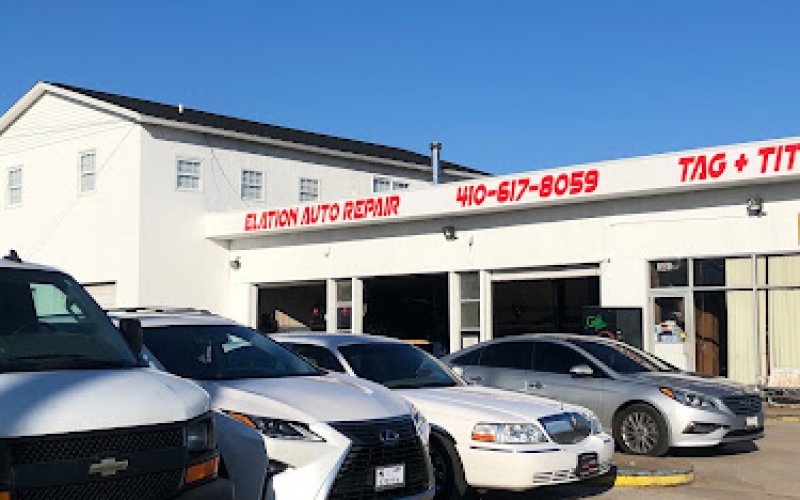
Elation Auto Repair
Auto repair shop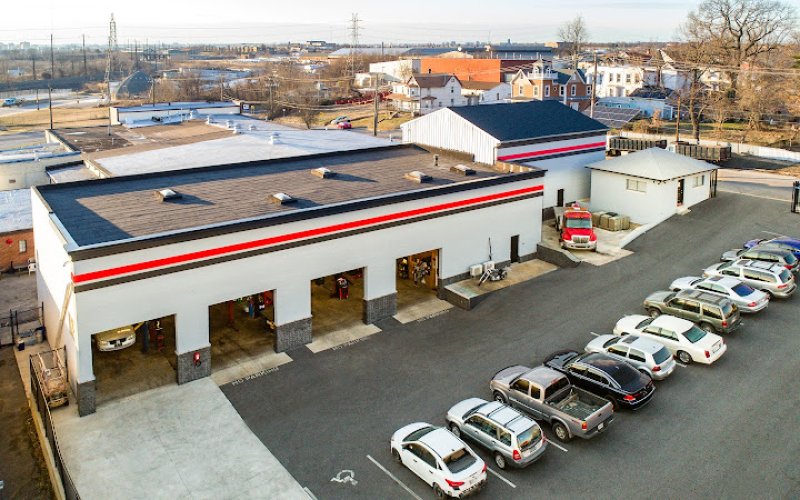
Olympic Auto & Truck Service LLC
Auto repair shop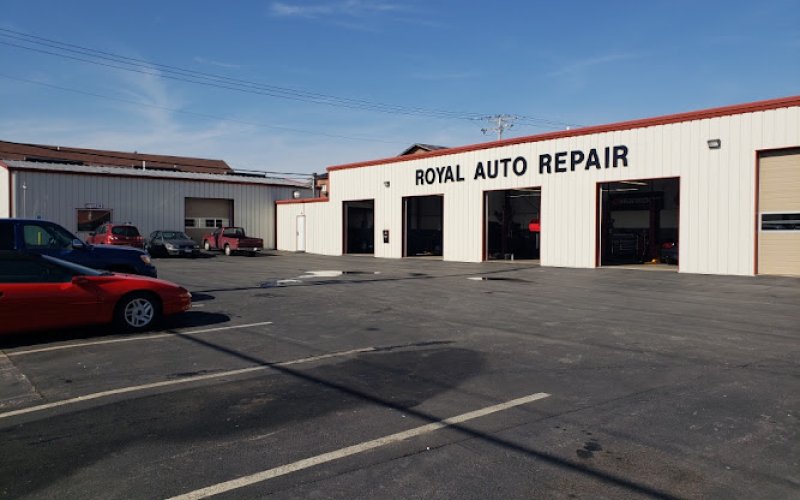
Royal Auto Repair
Auto repair shop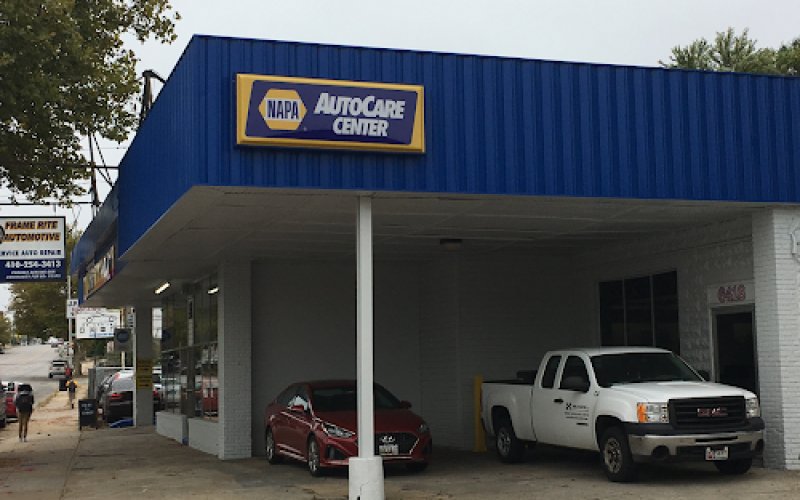
Framerite Auto Repair
Auto repair shop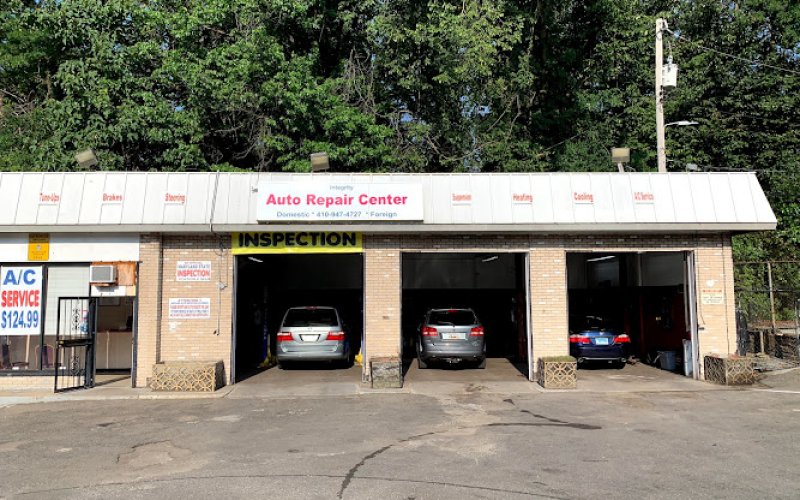
Integrity Auto Repair Center,( Integrity Automotive Enterprise,Inc)
Auto repair shop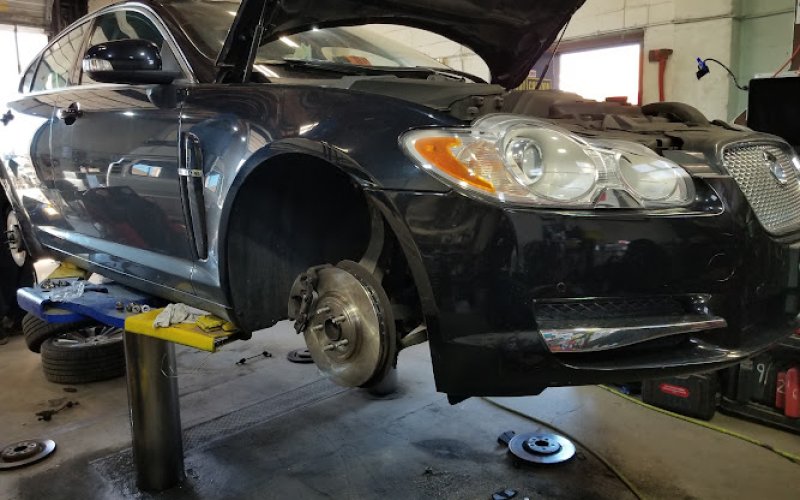
Vince's Auto Repair
Auto repair shop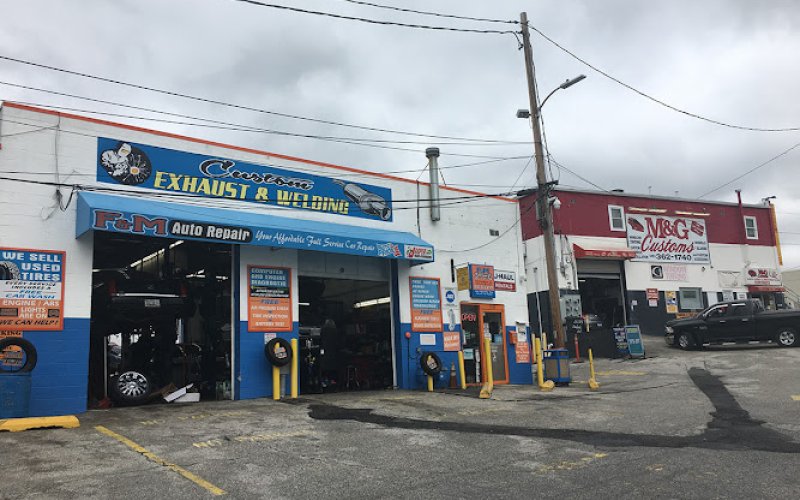
F & M Auto Repair
Auto repair shopAbout autorepair in Baltimore
Here's a number that stopped me mid-coffee: the average Baltimore vehicle is now 12.3 years old, per recent industry data, which is almost two years older than the national average. That's not a coincidence—that's an entire local economy of mechanics, quick-lube joints, and specialty shops keeping Cash Campbell's '09 Accord and half of Hampden's aging Subaru fleet alive well past when a newer-city driver would've traded in.
Baltimore's auto repair market is doing about $340 million in annual revenue across the metro, spread over roughly 480 licensed shops. That's a lot of oil changes. Demand's climbing too—up around 6% year-over-year, driven partly by inflation-shocked car buyers holding onto vehicles longer (average ownership length hit 8.4 years locally, per recent lending data) and partly by the city's rough roads doing exactly what rough roads do to suspensions and alignments. Ask anyone who's driven down a stretch of North Avenue lately. Your front end will tell the story better than I can.
The customer base skews working-class and middle-income, with a decent chunk of small business owners running delivery vans and contractor trucks that can't afford downtime. You've also got a growing segment of newcomers—county transplants and young professionals in neighborhoods like Canton and Federal Hill—who didn't grow up with a "family mechanic" and are shopping around, reading reviews, comparing quotes. That's shifted the market. Word-of-mouth still matters here, maybe more than most cities, but Google reviews are increasingly deciding who gets the call.
Hampden
- Area Profile: Older rowhome community, mixed with younger renters; median household income around $58,000, lots of long-term car owners
- autorepair Activity: Heavy on routine maintenance, brake jobs, and older-model repairs—people here fix things instead of replacing them
- Price Range: $80–$150 for basic service visits, $400–$900 for bigger jobs like alternators or suspension work
- Local Note: Old-timers swear by shops that've been on the same corner for 20+ years—reputation here is basically inherited
Canton
- Area Profile: Younger professional crowd, higher income (median around $85,000), lots of newer imports and SUVs
- autorepair Activity: More diagnostic work, dealer-alternative service for warranty-adjacent vehicles, EV/hybrid inquiries ticking up
- Price Range: $120–$220 standard visits; premium shops here charge dealer-competitive rates, $150+/hour labor
- Local Note: Convenience wins—shops offering loaner cars or shuttle service to the waterfront do noticeably better business
Northeast Baltimore (Frankford/Hamilton)
- Area Profile: Working-class, multigenerational households, older vehicle fleet average age pushing 13+ years
- autorepair Activity: Transmission repair, exhaust work, and "keep it running one more year" jobs dominate
- Price Range: Budget-conscious—$60–$120 for basics, negotiated cash discounts common
- Local Note: Cash pricing still moves the needle here in a way it doesn't downtown. Shops that offer it get repeat customers.
📊 Current Price Points:
- Budget options: $60–$110 (oil changes, basic diagnostics, minor fixes)
- Mid-range: $200–$650 (brakes, alternators, AC repair — the most common ticket)
- Premium: $900+ (transmission rebuilds, major engine work, dealer-alternative diagnostics)
📈 Market Trends: Demand's up about 6% from last year, no surprise given how long people are holding onto cars. Parts supply has actually stabilized after the post-pandemic mess—lead times dropped from an average 9 days in 2023 to about 4 days now, per shop-reported data. Pricing's crept up roughly 4.5% year-over-year, mostly labor cost driven. Winter (January–February) sees a predictable surge from pothole damage and battery failures—Baltimore's freeze-thaw cycle is brutal on suspensions. Average turnaround for a standard repair sits around 2.3 days, though anything involving a backordered part can stretch to a week.
💰 What People Are Spending:
- Brake service — average $320
- Battery/alternator replacement — average $410
- Check engine diagnostics + repair — average $275
- Suspension/alignment (pothole related) — average $480
- AC system repair (seasonal spike in June) — average $560
Economic Indicators: Baltimore City's population has hovered flat to slightly declining (down about 0.3% annually), but the metro area including Baltimore County is growing modestly, around 1.1% a year. Major employers—Johns Hopkins, the port, University of Maryland Medical System—mean steady commuter traffic putting miles on vehicles daily. Median household income in the city sits around $58,000, notably below Maryland's statewide median of roughly $98,000. That gap matters: it's part of why repair-over-replace stays the dominant mindset.
Local Market Dynamics: Demand here isn't discretionary the way, say, a landscaping business is—people need working cars to get to Hopkins or the port or wherever they're clocking in. Competition is fragmented; no single chain dominates, though Firestone and Midas locations compete with dozens of independent shops for the mid-market. Recent shift: more shops adding EV service capacity, anticipating the slow creep of hybrids into the used market.
How This Affects Buyers/Customers: Practically, this means a Canton resident with a 2021 RAV4 Hybrid has fewer local options for specialized diagnostic work than someone in a bigger metro, while a Hamilton resident with a 2011 Impala has plenty of shops who know that car cold. I've seen this play out with customers driving 20 minutes across town just because one particular shop "gets" their specific make.
Baltimore Seasonal Patterns:
- ☀️ Spring/Summer: AC repairs spike, moderate overall demand, decent scheduling flexibility
- 🍂 Fall: Pre-winter checkups surge—smart shops offer bundled inspection deals this time of year
- ❄️ Winter: Heaviest volume—pothole damage, battery deaths, frozen fluid lines; prices firmest, wait times longest
- 📅 Peak months: January and February for urgency repairs; October for planned maintenance deals
Timing Tips for Baltimore: Late spring (April–May) tends to be the slow season for shops, meaning better scheduling and occasional discount offers. Tax refund season (Feb–March) ironically overlaps with winter damage season, so shops get slammed—book early. Expect same-week appointments in off-peak months, but 1–2 week waits in January.
Smart Timing Tips:
- ✓ Get pre-winter inspections done in October, before the rush
- ✓ Avoid scheduling major non-urgent work in January if you can wait
- ✓ Ask about off-season discounts—many shops offer them quietly, not in ads
- ✓ If your check engine light's been on for a month, don't wait for winter—diagnose early
Credentials to Verify: Look for ASE certification (Automotive Service Excellence)—it's the industry standard, not state-mandated in Maryland but a strong signal. Maryland's Motor Vehicle Administration (MVA) oversees vehicle safety inspections, and any shop doing state inspections needs MVA authorization—verify that directly. AAA-approved status is another decent filter for baseline trustworthiness.
Questions to Ask: How long has the shop operated in this specific Baltimore location—not just "in business," but at that address? Can they give you two local customer references? Will they itemize the estimate before starting work, or just hand you a lump sum after?
⚠️ Red Flags Specific to Baltimore autorepair:
- "Free inspection" that mysteriously always finds $800 in needed work
- No written estimate before repairs begin—verbal-only quotes that balloon later
- Shops pressuring same-day decisions on major repairs, especially near I-83 or I-95 corridor pass-through locations catering to travelers, not locals
- Refusal to return old parts when asked—a classic sign work wasn't actually done
Where to Check Complaints: Maryland MVA for inspection-related disputes, the Better Business Bureau for general complaint history, and Google reviews—but read past the 5-stars. Look specifically for repeat mentions of the same mechanic by name; that's usually a real signal, good or bad.
✓ Established presence in Baltimore (not just passing through)
✓ Verifiable local reviews and references
✓ Transparent pricing, no hidden fees
✓ Clear process explained upfront
✓ Responsive communication
Check Reviews & Ratings
We recommend verifying businesses through trusted review platforms before making a decision.
Frequently Asked Questions
Popular Categories in Baltimore
Explore Other Cities
Professional Categories in Baltimore, MD
Related Services from Similar Professionals